Penumpang Ini Diamankan Petugas karena Merokok di Pesawat Citilink Rute Batam-Surabaya

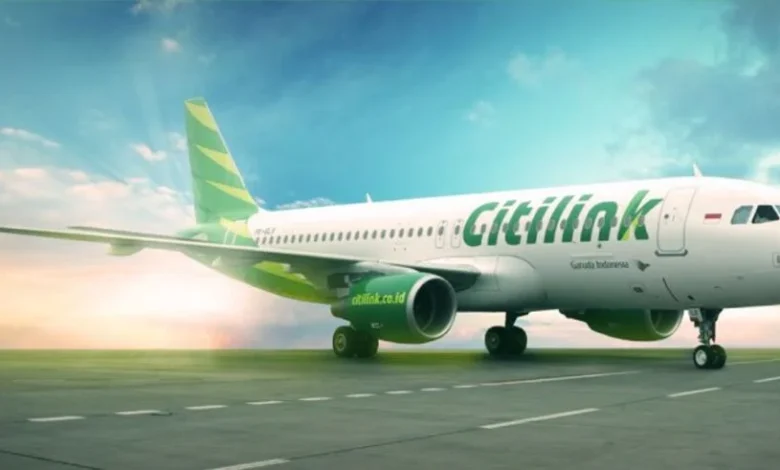
The enforcement of strict aviation safety protocols came to the forefront of public discussion following an incident aboard a commercial domestic flight in Indonesia, where a passenger was detained by authorities after being caught smoking inside the aircraft restroom. The event, which quickly gained widespread traction across digital platforms, underscores the persistent challenges airlines face regarding passenger compliance with international and national safety regulations.
The incident took place on a scheduled Citilink flight operating under flight number QG 949, traveling from Hang Nadim International Airport in Batam, Riau Islands, to Juanda International Airport in Surabaya, East Java. While commercial air travel is widely recognized as one of the safest and most efficient modes of mass transportation, the actions of a single non-compliant individual served to disrupt the journey and compromise the stringent safety environment maintained inside a pressurized cabin.
Chronology of the Incident Aboard Flight QG 949
The sequence of events unfolded mid-air during the domestic journey on Saturday, November 18. Flight QG 949 departed from Batam under standard operational procedures, with routine service being conducted by the cabin crew. However, during the course of the flight, the unmistakable scent of tobacco smoke was detected, prompting immediate vigilance from the flight attendants.
Upon investigation, it was discovered that a male passenger, dressed in a black shirt, had retreated to the aircraft lavatory to smoke. Smoking inside the enclosed space of an aircraft restroom is a severe breach of aviation law, as the confined environment, electrical systems, and restricted oxygen circulation drastically increase the potential hazard.

Recognizing the severity of the protocol violation, the flight crew activated internal security procedures. Upon the aircraft’s safe landing at Juanda International Airport in Surabaya, the captain and crew coordinated with ground security personnel. Aviation security officers, known locally as Avsec, boarded the aircraft and escorted the offending passenger off the plane.
Footage capturing the moment the passenger was escorted down the aircraft aisle by security personnel was recorded by fellow travelers. The video rapidly circulated across social media platforms, most notably on the platform X (formerly known as Twitter) via the account @Pai_C1, drawing widespread astonishment and criticism from the online community. In the video, passengers seated along the aisle can be heard expressing disbelief that someone would attempt to smoke during an active commercial flight.
Official Confirmation and Airline Response
Following the viral dissemination of the video, management from Citilink Indonesia issued an official statement confirming the veracity of the incident. The airline verified that the passenger in question had indeed violated the strict no-smoking policy enforced on all domestic and international commercial flights by utilizing the lavatory on flight QG 949 to smoke.
According to Citilink representatives, the airline adheres to a zero-tolerance policy regarding actions that compromise flight safety, security, and the comfort of fellow passengers. Upon arrival in Surabaya, the individual was formally handed over to the airport’s aviation security team and local authorities for further questioning and processing. During initial debriefing sessions with ground security, the passenger openly admitted to the infraction.
The airline emphasized that safety is a collective responsibility shared between the operator and the traveling public. By swiftly detaining the passenger upon landing, the airline demonstrated adherence to standard operating procedures designed to mitigate potential risks and hold rule-breakers accountable under the law.

Public Reaction and Social Media Outrage
The digital footprint of the incident triggered a wave of public commentary across various social media channels. Observers and frequent flyers expressed profound bewilderment, questioning the psychological impulse that would drive an individual to disregard long-standing global aviation bans against smoking. Many comments focused on the inability of the passenger to abstain from nicotine consumption for the duration of a domestic flight, which typically spans a relatively short travel window.
Beyond the disbelief, netizens voiced significant concern over the potential catastrophic consequences of smoking inside a commercial aircraft. Social media discussions frequently highlighted the danger of discarded cigarette butts, which, if improperly extinguished in a trash receptacle containing paper towels and other waste, can rapidly ignite a fire—one of the most critical emergencies a flight crew can face at 35,000 feet.
Regulatory Framework and Legal Implications of Smoking on Aircraft
To contextualize the severity of the offense, aviation authorities worldwide, including the Directorate General of Civil Aviation (DGCA) in Indonesia, enforce absolute bans on smoking aboard commercial aircraft. These regulations encompass both traditional tobacco products and electronic smoking devices, such as vapes and e-cigarettes.
The prohibition is grounded in multiple physical and chemical vulnerabilities inherent to aircraft operations:
- Fire Hazard: Aircraft cabins are constructed with fire-retardant materials, but confined spaces limit firefighting capabilities mid-flight. An uncontrolled fire poses an existential threat to everyone on board.
- Smoke Detection Systems: Lavatories are equipped with highly sensitive smoke detectors designed to alert the flight deck immediately. Tampering with or triggering these systems disrupts normal flight operations and causes unnecessary panic.
- Air Circulation: Modern aircraft utilize High-Efficiency Particulate Air (HEPA) filters to purify cabin air, but smoke introduces particulate matter and toxic chemical compounds that degrade air quality for all occupants, including vulnerable populations such as infants, the elderly, and individuals with respiratory conditions.
Under Indonesian aviation law, specifically the Aviation Law (UU Penerbangan), individuals who jeopardize the safety and security of a flight through prohibited actions face severe administrative and criminal penalties. Violators can be subjected to substantial fines reaching up to Rp500 million, alongside potential imprisonment depending on the severity of the disruption and the findings of the subsequent legal investigation.

Broader Industry Impact and Safety Reminders
Incidents of passenger non-compliance, ranging from smoking in lavatories to unruly behavior and verbal altercations with crew members, remain a persistent operational hurdle for global carriers. While airlines continuously invest in crew training regarding de-escalation and security protocol implementation, the cooperation of the traveling public remains the frontline defense against airborne hazards.
Aviation analysts note that public shaming via viral social media videos, coupled with strict legal prosecution, serves as a dual deterrent against reckless passenger behavior. When airlines consistently hand over rule-breakers to airport authorities for legal processing, it reinforces the message that commercial aircraft are highly regulated spaces where personal habits must yield to collective safety.
As air travel continues to rebound and expand following previous years of disruption, industry stakeholders emphasize the necessity of public education campaigns. Travelers are repeatedly reminded to review prohibited items lists and adhere strictly to crew instructions from the moment they board the aircraft until they reach their final destination. The Citilink incident serves as a stark reminder that violating established safety protocols carries immediate physical detention, heavy financial liabilities, and potential criminal consequences.