South Korea Unveils Captivating Destinations: A Journey Through Scenic Wonders and K-Drama Inspired Landscapes

South Korea has rapidly ascended as a premier global travel destination, drawing significant interest from international tourists, particularly from Indonesia. This surge in popularity is widely attributed to the pervasive influence of Korean dramas, whose picturesque backdrops have inspired many to experience these enchanting locations firsthand. Beyond their aesthetic appeal, several key sites offer an immersive experience, transporting visitors directly into the captivating narratives of their favorite K-dramas. This article delves into some of the most recommended tourist attractions, highlighting their unique charm and cultural significance.
Geonbae: The Vibrant Heart of Urban Seoul
For those seeking to immerse themselves in the pulsating energy of a metropolitan setting, Geonbae stands out as an essential stop. This dynamic thoroughfare is renowned for its lively ambiance, characterized by an eclectic array of bars lining its streets. The visual spectacle of Geonbae is striking, exuding a palpable urban sophistication that appeals to both locals and international visitors. Its accessibility is a significant draw, as the street remains bustling at all hours, offering a constant stream of activity and a true taste of Seoul’s nocturnal charm.
Geonbae’s appeal lies not only in its vibrant nightlife but also in its role as a social hub. The concentration of diverse drinking establishments, ranging from traditional pubs to modern cocktail lounges, caters to a wide spectrum of preferences. This creates an environment where spontaneous interactions and cultural exchanges are commonplace. The area’s continuous activity, from the early evening hours when diners begin to arrive to the late night when revelers fill the streets, underscores its status as a cornerstone of Seoul’s entertainment district. The architecture and lighting of the area further contribute to its cinematic quality, often serving as a recognizable setting for scenes depicting urban exploration and social gatherings in popular media.
The economic implications of Geonbae’s popularity are substantial. The high foot traffic translates into consistent revenue for local businesses, supporting a thriving ecosystem of bars, restaurants, and related services. Furthermore, its reputation as a lively entertainment district attracts a significant number of tourists, contributing to Seoul’s overall tourism economy. The consistent popularity of Geonbae can be observed through various social media trends and travel vlogs, where it is frequently highlighted as a must-visit spot for experiencing the authentic urban lifestyle of South Korea.
Daehakro: Seoul’s Cultural Epicenter and Theatrical Haven
Daehakro, often likened to the Broadway of South Korea, presents a different yet equally compelling facet of the nation’s cultural landscape. This expansive street, stretching approximately 1.6 kilometers, is a testament to the country’s rich artistic heritage, housing numerous functional art institutions. Visitors to Daehakro are treated to a diverse array of artistic expressions, with a particular emphasis on South Korean performing arts.
The historical significance of Daehakro is deeply intertwined with the development of theater and performing arts in South Korea. Following the Korean War, the area around Daehak University became a focal point for cultural revival. Over the decades, it has evolved into a dedicated arts district, home to a multitude of theaters, performance halls, and galleries. This concentration of artistic venues fosters a vibrant and collaborative environment, encouraging innovation and the continuous evolution of Korean performing arts.

The types of performances found on Daehakro are incredibly varied. Audiences can experience traditional Korean music and dance, contemporary plays, musicals, experimental theater, and independent film screenings. This diversity ensures that there is something to captivate every taste and interest. Many of these performances are often lauded for their innovative storytelling, high production values, and the exceptional talent of the performers, reflecting the growing international recognition of South Korean arts and culture.
The cultural impact of Daehakro extends beyond the stage. It serves as a vital training ground for aspiring artists and a platform for cultural dialogue. The area also plays a significant role in the local economy, attracting not only tourists but also a steady stream of art enthusiasts from within Seoul and beyond. The presence of numerous cafes, restaurants, and shops catering to the arts community further enhances its unique atmosphere. Moreover, Daehakro is often featured in media as a backdrop for stories about aspiring artists, creative struggles, and the passionate pursuit of artistic dreams, further solidifying its connection with the K-drama aesthetic.
Starfield Library: An Architectural Marvel and Literary Sanctuary
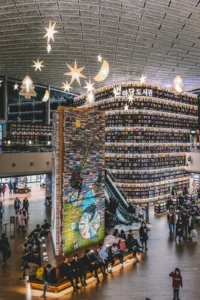
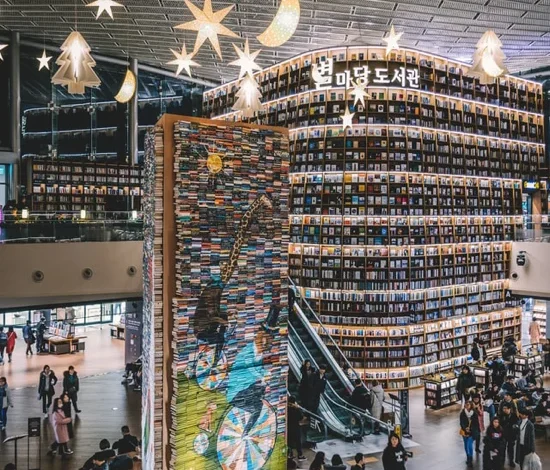
For those seeking a more tranquil yet awe-inspiring experience, the Starfield Library, located within the COEX Mall in Seoul, offers a unique blend of architectural grandeur and literary immersion. This expansive public library is not merely a repository of books; it is a breathtaking space designed to inspire and engage. Its most striking feature is the towering bookshelves that reach an astonishing height of 13 meters, creating a visually stunning panorama of literature.
The Starfield Library was conceived as a cultural space that transcends the traditional notion of a library. Its design emphasizes openness and accessibility, encouraging visitors to linger, read, and engage with the vast collection. The library houses an impressive array of over 70,000 books, magazines, and other media, covering a wide range of subjects and genres. This extensive collection makes it one of the most comprehensive libraries in Seoul, offering resources for research, leisure reading, and personal enrichment.
The library’s architectural design, characterized by its soaring shelves, natural light, and comfortable seating areas, creates an inviting atmosphere. It has quickly become an iconic landmark and a popular spot for photography, often appearing in travel blogs and social media feeds. The sense of scale and the sheer volume of books evoke a feeling of wonder, making it a memorable experience for visitors of all ages. Beyond its aesthetic appeal, the library also hosts various cultural events, author talks, and exhibitions, further solidifying its role as a vibrant cultural hub.
The Starfield Library’s impact is multifaceted. It promotes literacy and a love for reading within the community, providing a free and accessible resource for knowledge. Its popularity as a tourist attraction also contributes to the economic vitality of the COEX Mall and the surrounding Gangnam district. The library’s presence offers a peaceful respite from the bustling city, allowing visitors to connect with literature and art in a serene and aesthetically pleasing environment. Its often-featured status in K-dramas, depicting moments of quiet contemplation, intellectual discovery, or dramatic revelations, further enhances its allure for fans seeking to replicate iconic scenes.
Beyond the Highlights: Exploring More of South Korea’s Allure
While Geonbae, Daehakro, and Starfield Library represent distinct yet equally captivating aspects of South Korea, the country’s tourism offerings extend far beyond these notable locations. The capital city, Seoul, is a treasure trove of attractions, each offering unique insights into Korean culture, history, and modernity.

For those with an interest in history and tradition, the grand palaces of Seoul, such as Gyeongbokgung and Changdeokgung, provide a glimpse into the Joseon Dynasty. These historical sites, with their intricate architecture and sprawling gardens, offer a stark contrast to the city’s modern skyline and are frequent settings for historical dramas. The Bukchon Hanok Village, a preserved traditional Korean village, allows visitors to wander through charming alleyways lined with traditional houses (hanok) and experience a bygone era.
For shoppers and fashion enthusiasts, areas like Myeongdong and Hongdae offer vibrant street markets and trendy boutiques. Myeongdong is particularly famous for its cosmetics and fashion brands, while Hongdae buzzes with the energy of young artists, musicians, and street performers, mirroring the youthful and dynamic spirit often depicted in contemporary K-dramas.
Beyond Seoul, South Korea boasts diverse natural landscapes. The island of Jeju, a UNESCO World Heritage site, offers stunning volcanic scenery, pristine beaches, and unique cultural traditions. National parks like Seoraksan provide breathtaking mountain vistas and hiking trails, attracting outdoor enthusiasts year-round.
The culinary scene in South Korea is another significant draw. From sizzling Korean barbecue and spicy kimchi jjigae to delicate bibimbap and savory street food, the country offers a gastronomic adventure for every palate. Exploring local markets and trying regional specialties is an integral part of the travel experience.
The continuous influx of tourists to South Korea, driven by the global phenomenon of the Korean Wave, underscores the country’s success in leveraging its cultural assets. The synergy between K-dramas, K-pop, and tourism has created a powerful engine for economic growth and cultural export. As more destinations within South Korea gain international recognition, the country is poised to remain a top-tier travel destination for years to come, offering an enriching blend of natural beauty, historical depth, and vibrant modern culture. The ability to step into the settings of beloved stories further amplifies the emotional connection travelers feel with the country, turning a simple vacation into a deeply personal and memorable journey.