Asian Games 2026 Opening Marred by Mounting Concerns Over Athlete Village Infrastructure and Logistics

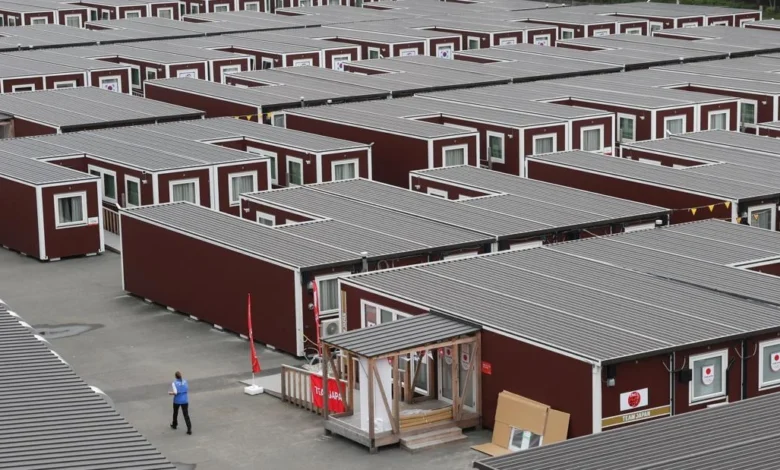
Nagoya officially marked the commencement of the 2026 Asian Games on Saturday, September 19, 2026, as the opening ceremony took place amidst a backdrop of escalating logistical challenges. While the host city had spent years preparing for the influx of thousands of athletes, coaches, and support staff, the event’s first days have been overshadowed by significant controversy surrounding the quality, capacity, and safety of the designated Athlete Village. What was intended to be a showcase of Japanese precision and hospitality has instead become a focal point of diplomatic and operational frustration among the 45 participating National Olympic Committees (NOCs).
A Cascade of Infrastructure Failures
The criticism began mounting even before the official opening ceremony, with reports of structural deficiencies and maintenance failures surfacing across multiple sectors of the village. Jung Jae-yong, vice president of the Korea Basketball Association, expressed profound dissatisfaction regarding the accommodation assigned to the South Korean men’s basketball team. Speaking to international media, Jung highlighted that the cabins—modular, temporary structures intended to maximize space—were woefully inadequate for the physical stature of professional basketball players.
The dissatisfaction was not merely anecdotal. Visual evidence shared on social media platforms by members of the South Korean contingent revealed significant maintenance oversights, including leaking sinks, poor drainage, and standing water in bedrooms. These images, which circulated rapidly among news agencies, served as a catalyst for a broader investigation into the quality of the construction work commissioned for the Games.
Meteorological Challenges and Emergency Evacuations
The logistical strain on the Athlete Village was exacerbated by extreme weather conditions that struck the Aichi Prefecture last week. Nagoya experienced record-breaking precipitation levels, leading to widespread urban flooding that directly impacted the low-lying areas where some athlete housing units were situated.
Emergency management protocols were triggered, leading to the evacuation of hundreds of athletes from their assigned quarters as a precautionary measure. While the flooding has since receded, the event highlighted a critical vulnerability in the site selection and infrastructure resilience of the Games’ facilities. For many delegations, the evacuation was not merely an inconvenience but a significant disruption to their final training regimens and mental preparation ahead of high-stakes competition.
Widespread Discontent Among Delegations
The grievances expressed by the South Korean delegation are not isolated incidents. A representative from the Korean Sport & Olympic Committee (KSOC) stated that concerns regarding the accommodations are currently shared by representatives from nearly all 45 participating nations. The sentiment of inadequacy appears to be a systemic issue rather than a localized one.
Taiwanese sports officials have also voiced frustration, specifically regarding a severe shortage of bedding and furniture. The disparity between the promised level of service and the reality on the ground has forced many NOCs to engage in intensive, round-the-clock negotiations with the Organizing Committee.
The situation has reached a point where some delegations have had to resort to external solutions. Abraham Tolentino, president of the Philippine Olympic Committee, confirmed that while all athletes from his delegation have secured rooming within the official village, several support staff and coaching personnel have been relocated to external hotels and private rentals (Airbnb) to alleviate the overcrowding and infrastructure stress within the main village.
The Broader Context: Asian Games and Japan’s Hosting Ambitions
The 2026 Asian Games represent a massive logistical undertaking for Nagoya and the surrounding Aichi Prefecture. The event, which follows the successful hosting of the Tokyo 2020 Olympic Games (held in 2021), carried high expectations for organizational excellence. Japan’s reputation for efficiency and disaster preparedness was a primary selling point during the bid process.
However, the current crisis highlights the inherent difficulties of organizing a multi-sport event of this scale during the peak of Japan’s typhoon season. Meteorologists have noted that the 2026 season has been particularly volatile, with increased frequency of localized heavy rainfall. Critics now argue that the contingency planning for the Athlete Village did not adequately account for these climatic risks, suggesting a disconnect between urban planning and the operational realities of hosting an international sporting event in September.
Economic and Diplomatic Implications
The fallout from these logistical failures carries significant weight beyond the sports arena. For the Organizing Committee, the priority is now to stabilize the situation to prevent a full-scale diplomatic rift. As officials from various nations gather to address these concerns, the focus has shifted from athletic performance to damage control.
There is also the matter of financial accountability. Many NOCs have invested heavily in preparation, and the cost of finding alternative, last-minute accommodation for coaches and support staff—as seen with the Philippine delegation—creates an unplanned financial burden. Questions are being raised about whether the Organizing Committee will offer subsidies or reimbursements for the costs incurred due to the village’s shortcomings.
Furthermore, the reputation of Nagoya as an international event hub is currently at risk. In the world of elite sports, the "athlete experience" is a metric often used to determine the success of a host city. Persistent reports of "substandard" living conditions can have long-term consequences for a city’s bid to host future international events, including World Championships or Olympic cycles.
Efforts Toward Resolution and Future Outlook
In response to the mounting pressure, the Organizing Committee has issued a series of statements pledging to rectify the issues. They have mobilized maintenance crews to address the plumbing and drainage problems and are currently working with local suppliers to secure additional furniture and bedding to meet the needs of the delegations.
"Every nation involved is now working in close coordination to resolve these issues," the Korean official noted. This collaborative approach suggests that while the situation remains tense, there is a unified effort to ensure that the competition phase of the Games proceeds without further degradation of the athletes’ quality of life.
However, as the Games move into their second week, the weather remains a variable of concern. With the threat of future typhoons still looming, the organizers face a dual challenge: fixing the existing infrastructure and ensuring that any further climate-related events do not lead to a repeat of the evacuations seen last week.
Analysis of the Impact on Athlete Performance
From a performance standpoint, the impact of these conditions cannot be understated. Athletes require optimal recovery environments, including adequate sleep, hygiene, and climate control, to perform at the peak of their abilities. When the sanctity of the Athlete Village is compromised, the psychological toll on participants can manifest in their performance.
For the coaching staff, the constant need to manage logistical crises—such as finding alternative housing or dealing with flooded rooms—diverts precious time and energy away from tactical planning. This, in turn, could potentially skew the competitive balance of the Games, as delegations with more financial resources may be better equipped to move their staff to luxury hotels, while smaller delegations remain trapped in the struggling village infrastructure.
Conclusion
The 2026 Asian Games have arrived at a critical juncture. While the opening ceremony successfully signaled the start of the competition, the infrastructure crisis remains the primary narrative of the opening week. The resilience of the participating athletes, who have largely remained focused on their sport despite the environmental challenges, is commendable.
The coming days will be decisive. Whether the Organizing Committee can swiftly address the systemic complaints of the 45 nations will determine whether the 2026 Asian Games will be remembered as a logistical failure or a story of adaptation and resilience. As the world watches, the pressure remains on the Nagoya authorities to prove that they can provide the standard of living expected of a host city for one of the world’s most significant sporting events. The focus must now shift entirely to transparency, rapid infrastructure repair, and ensuring that no further health or safety risks are posed to the thousands of athletes currently under their care.
Related posts: