MSI Unveils MAG 256QR36: A High-Performance 24.5-Inch 1440p 360Hz Gaming Monitor Tailored for Competitive Esports

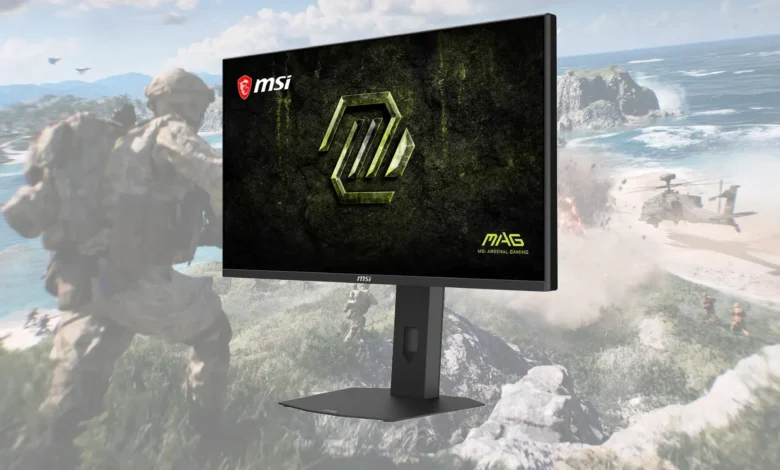
The global hardware landscape is continuously shifting to meet the rigorous demands of professional esports athletes and competitive enthusiasts. In this competitive arena, display manufacturers typically adhere to standardized dimensions, reserving the high-resolution 1440p (QHD) format exclusively for 27-inch panels to optimize spatial awareness. However, a significant segment of the competitive gaming community prefers compact screen real estate to minimize eye movement and maintain intense focus during fast-paced tactical engagements. Challenging this conventional design paradigm, Micro-Star International (MSI) has officially introduced the MAG 256QR36, an innovative gaming monitor that merges a sharp QHD resolution with an ultra-high refresh rate inside a more compact 24.5-inch form factor.
Main Facts and Core Specifications
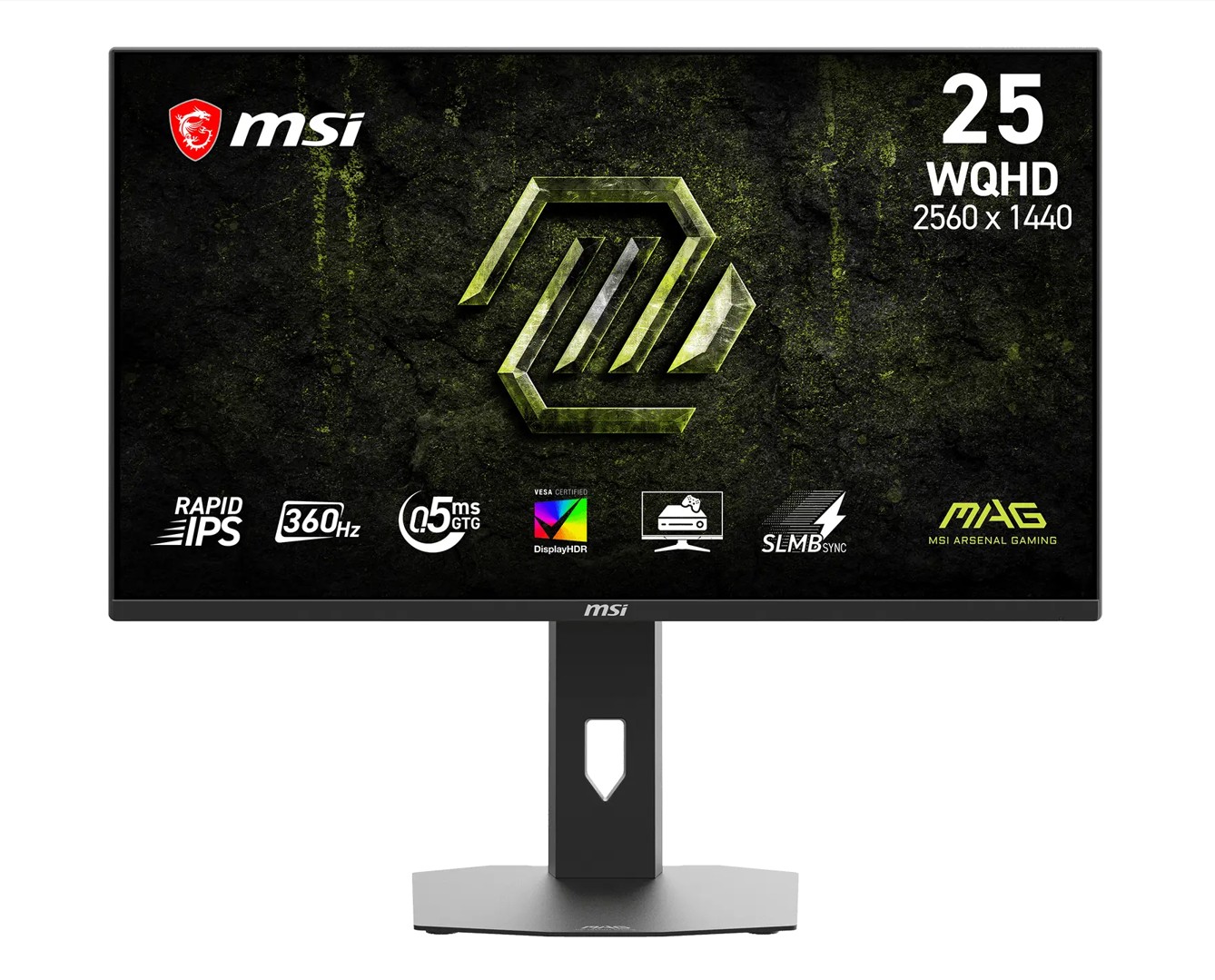
The newly unveiled MSI MAG 256QR36 is engineered from the ground up to bridge the performance gap between traditional 1080p esports displays and larger 1440p mainstream monitors. At its core, the device features a 2560 x 1440 pixel resolution packed into a 24.5-inch panel, resulting in a noticeably higher pixel density than standard 24-inch 1080p screens. This elevated pixel density translates into sharper text, crisper UI elements, and enhanced enemy target identification at a distance, all without forcing players to manage the expansive peripheral acreage of a 27-inch monitor.
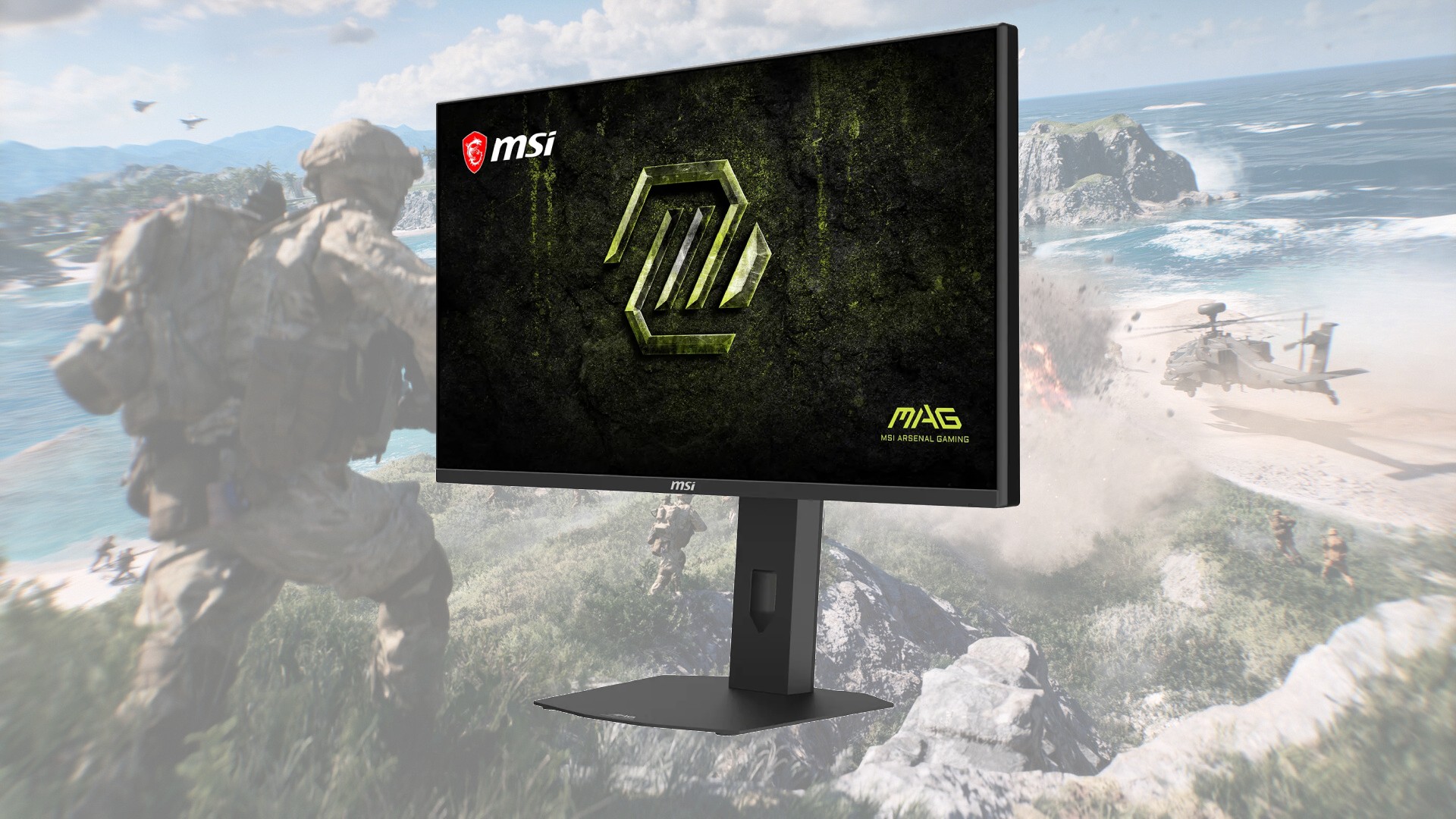
Complementing this high-resolution setup is a blazing-fast 360Hz refresh rate. In competitive multiplayer titles—such as tactical shooters, battle royales, and fighting games—a high refresh rate is critical for minimizing input latency and rendering motion with optimal clarity. To eliminate motion blur and ghosting, MSI has equipped the panel with Rapid IPS technology, achieving a remarkable 0.5ms Gray-to-Gray (GtG) response time.
Furthermore, the monitor addresses dynamic visual fidelity by incorporating variable refresh rate technologies, offering both AMD FreeSync Premium and NVIDIA G-SYNC compatibility. These adaptive synchronization protocols dynamically match the display’s refresh rate to the frame output of the host system’s graphics processing unit (GPU), effectively mitigating visual artifacts such as screen tearing and stuttering during chaotic gameplay sequences.
Display Performance and Regional Discrepancies
Visual immersion and high-end color reproduction are increasingly expected even in ultra-fast esports hardware. The MAG 256QR36 carries a VESA DisplayHDR certification, though specific performance metrics have sparked minor discussions within the tech community due to conflicting official documentation.

According to regional product listings originating from MSI China, the monitor boasts a peak HDR brightness of up to 500 nits and includes a dual DisplayPort configuration. Conversely, documentation on the MSI Global portal features a closely related model designated as the MAG 256QP36, which is rated for a peak brightness of 400 nits (corresponding to VESA DisplayHDR 400 compliance) and houses a single DisplayPort interface. Industry analysts advise prospective buyers to verify exact regional part numbers carefully before making a purchase to ensure they acquire the precise feature set matching their hardware configurations.
Connectivity and Ergonomic Versatility
Modern gaming setups demand robust connectivity options capable of handling high bandwidth transmissions. The MSI MAG 256QR36 answers this requirement by offering a comprehensive array of input ports. Official specifications for the Chinese market list two DisplayPort 1.4a inputs alongside two HDMI 2.1 ports, enabling full support for native QHD resolution running at the maximum 360Hz refresh rate. Additionally, the inclusion of HDMI CEC support and a dedicated console mode broadens the display’s utility, allowing seamless integration with current-generation home video game consoles. A standard 3.5mm audio jack is also integrated for direct headphone or external speaker connections.
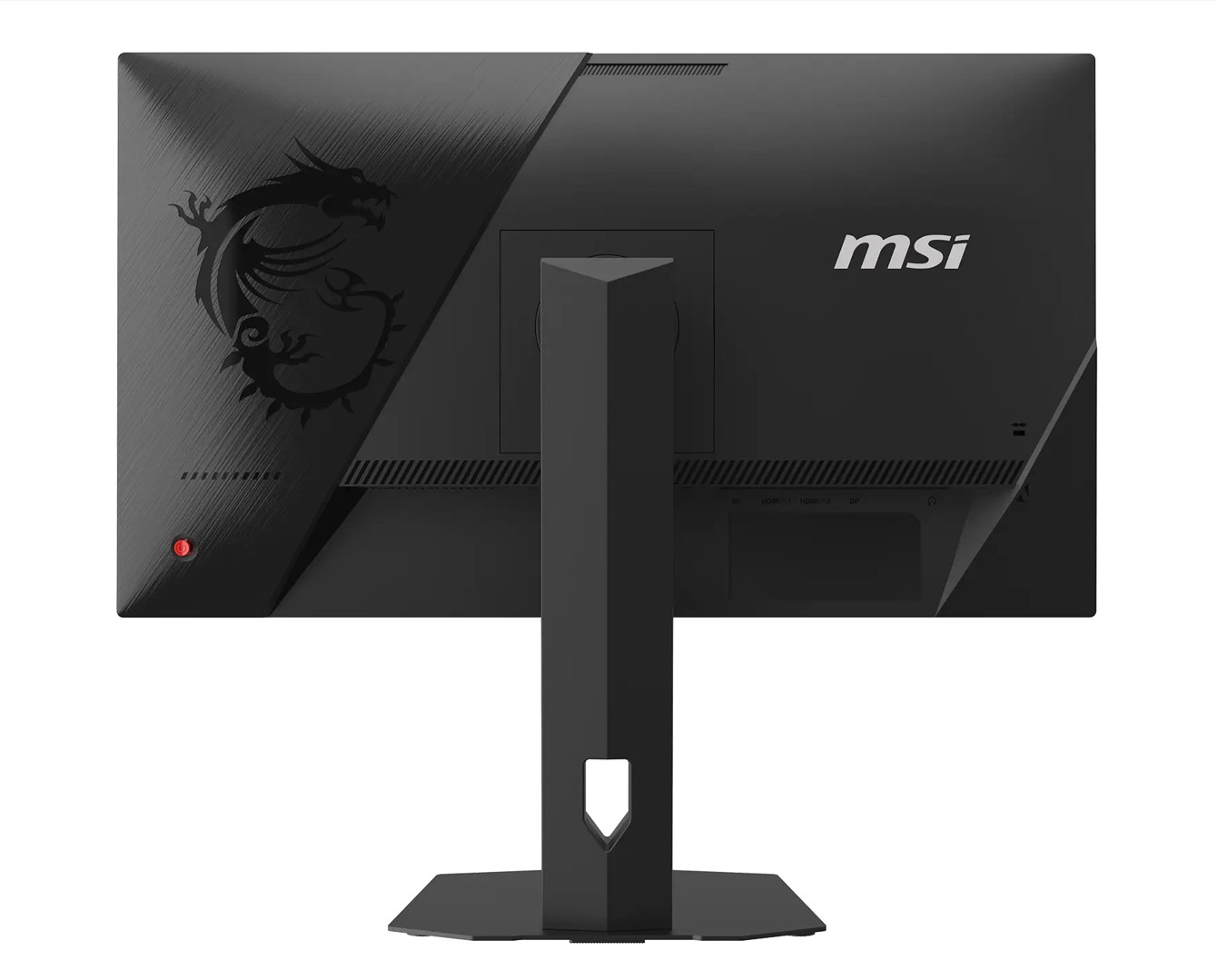
Ergonomics remain a critical consideration for prolonged gaming sessions, and MSI has designed the adjustable stand to accommodate extensive physical customization. The monitor’s stand supports up to 110mm of height adjustment, swivel adjustments, tilt modifications, and a pivot function that allows the display to be rotated entirely into a vertical orientation. For users prioritizing desk space or multi-monitor battle stations, standard VESA 100 x 100 mm mounting compatibility is built into the chassis, allowing the panel to be attached easily to aftermarket monitor arms or wall brackets.
Chronology and Market Context
The public disclosure of the MAG 256QR36 emerged following detailed product leaks and reports from specialized hardware publications such as KitGuru. Over the past several hardware generations, the PC gaming monitor market has witnessed a distinct bifurcation: casual and cinematic gamers gravitate toward ultra-wide panels and expansive 4K displays, whereas the esports community demands rapid pixel response times and manageable screen dimensions.
Historically, players seeking a 360Hz refresh rate were required to compromise on resolution, settling for 1080p panels. The introduction of 1440p at smaller form factors marks a significant technological maturation in liquid crystal display manufacturing, allowing high pixel counts to coexist with extreme refresh speeds without causing prohibitive thermal or electrical bottlenecks.
Official Responses and Pricing Strategy
As of the current announcement phase, MSI management and regional PR representatives have not disclosed official manufacturer’s suggested retail pricing (MSRP) details for the MAG 256QR36. Furthermore, global rollout schedules remain unconfirmed. While initial technical specifications and promotional materials have surfaced prominently through MSI’s regional divisions in Asia, the broader international launch timeline—including availability in North America, Europe, and Southeast Asia—has yet to be formally outlined.
Industry observers note that pricing will likely play a decisive factor in the monitor’s market adoption. High-refresh-rate IPS panels featuring advanced resolution scaling and fast response times command a premium price point, positioning the MAG 256QR36 as a high-end investment targeted explicitly at enthusiasts and professional competitors rather than budget-conscious consumers.
Broader Impact and Industry Implications
The arrival of a 24.5-inch, 1440p, 360Hz display signals a potential paradigm shift in monitor engineering. For years, the display industry operated under the assumption that high pixel density and high refresh rates were best deployed on larger canvases to justify the engineering overhead. By proving that advanced panel technology can be successfully condensed into a smaller footprint, MSI is addressing a long-standing niche of competitive gamers who felt alienated by the industry-wide migration toward 27-inch and larger monitors.
The implications for hardware manufacturers are clear. Competitors in the display market will likely monitor the reception of the MAG 256QR36 closely. If consumer demand for compact, high-resolution esports monitors proves robust, rival brands such as ASUS, Acer, and Gigabyte may accelerate their own development cycles for similar form-factor displays. Ultimately, the MAG 256QR36 represents an important evolutionary step in desktop display technology, promising to deliver uncompromising visual clarity and lightning-fast responsiveness to players who value precision above all else.
Related posts: