JBL Vienna Unveiled in China: A Groundbreaking Speaker That Brings Lyrics to Life with a 18.5-Inch Display

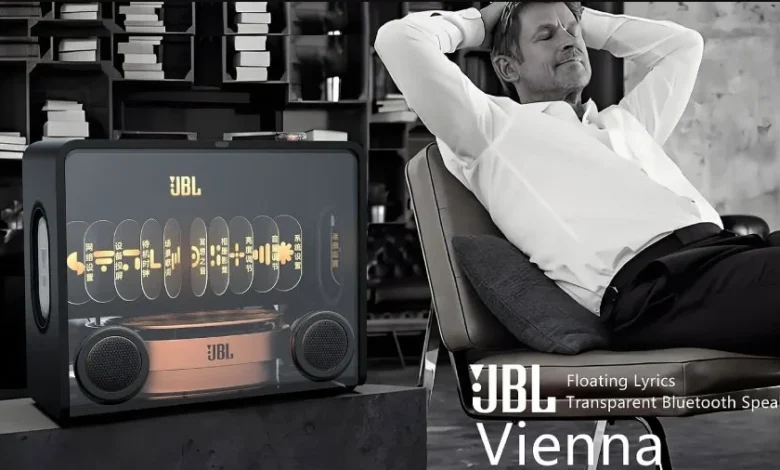
JBL, a globally recognized leader in audio innovation, has officially launched a distinctive new speaker, the JBL Vienna, in the Chinese market. This groundbreaking device transcends the traditional role of a speaker by integrating a large, interactive display that showcases real-time song lyrics, offering a novel dimension to the listening experience. The introduction of the Vienna marks a significant departure for JBL, venturing into a product category that merges high-fidelity audio with visual engagement in an unprecedented way.
The centerpiece of the JBL Vienna is its expansive 18.5-inch front-facing display. This high-resolution screen is engineered to present the lyrics of the currently playing song with remarkable clarity and synchronization. Unlike conventional speakers that rely solely on auditory output, the Vienna aims to create a more immersive and engaging environment for music lovers. The lyrics appear in real-time, synchronizing precisely with the vocal performance, allowing users to not only hear but also see and follow along with their favorite tracks. This feature is particularly appealing for karaoke enthusiasts, music students, or anyone who enjoys a deeper connection with the songs they play.
Further enhancing the visual appeal, the display is protected by a transparent tempered glass panel, ensuring durability and maintaining the clarity of the projected lyrics and visuals. JBL has gone a step further by incorporating sophisticated visual effects, including dynamic lighting and shadow animations. These elements create an illusion of floating lyrics, adding a theatrical and captivating quality to the presentation. This meticulous attention to visual detail elevates the Vienna from a mere audio device to a piece of interactive home entertainment.
Beyond its primary function of displaying lyrics, the JBL Vienna offers a degree of personalization. The speaker comes equipped with nine pre-set background themes that users can select to complement their mood or décor. More impressively, users have the option to upload their own photos, transforming the display into a custom wallpaper, thereby integrating the speaker seamlessly into their personal spaces. This customization feature underscores JBL’s commitment to user experience and its understanding of how consumers integrate technology into their lifestyles.
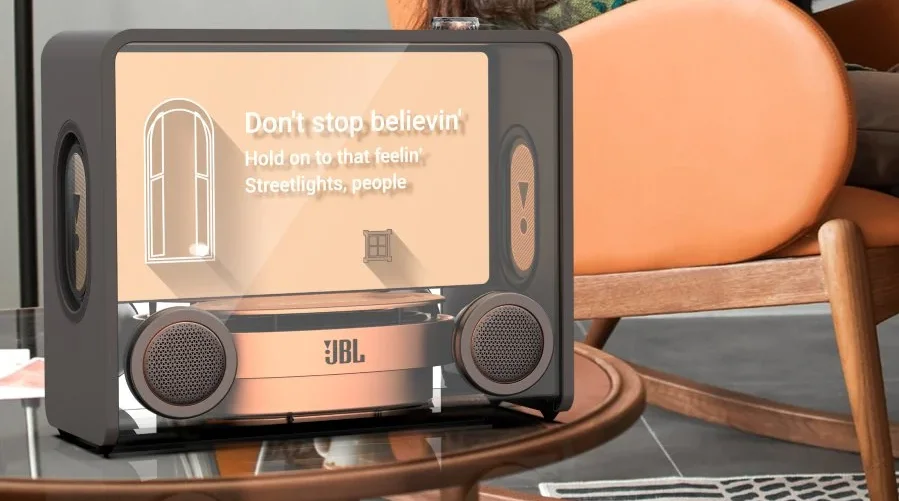
The audio specifications of the JBL Vienna are equally impressive, reflecting JBL’s decades of expertise in sound engineering. The speaker boasts a robust 2.1 stereo system, delivering a total audio output of 100 watts. This configuration comprises two 3.23-inch full-range drivers, designed to produce clear and detailed mid-range frequencies and crisp treble. Complementing these are four 8.5-inch racetrack-shaped bass drivers, engineered to deliver deep and resonant bass, a hallmark of JBL’s audio signature. Furthermore, two 5-inch passive radiators are integrated to enhance bass response without increasing distortion, ensuring a rich and full-bodied soundstage. This carefully calibrated audio setup promises to reproduce music with fidelity, encompassing everything from the subtlest nuances to the most powerful basslines.
Connectivity options on the JBL Vienna are modern and versatile, catering to a wide range of user needs. The speaker supports the latest Bluetooth 5.4 standard, ensuring stable and high-quality wireless audio streaming from smartphones, tablets, and other compatible devices. For wired connections, it features a USB-C port, which can be used for audio playback and potentially for firmware updates or charging. An AUX input provides compatibility with older audio sources. A notable feature is its ability to mirror displays from both iOS and Android devices, further expanding its functionality beyond just audio playback and lyric display. This mirroring capability could allow users to cast videos, photos, or other visual content to the speaker’s screen, although specific details on the extent of this feature are yet to be fully elaborated.
The introduction of the JBL Vienna in China comes at a time when the consumer electronics market is increasingly seeking products that offer more than just their core functionality. The demand for smart home devices that are both aesthetically pleasing and highly interactive continues to grow. While specific market data for speakers with integrated visual displays is nascent, the broader trend in smart displays and interactive entertainment systems suggests a receptive audience for innovative products like the Vienna. The integration of lyrics directly onto a speaker display taps into a deeply emotional aspect of music consumption, potentially fostering a stronger connection between the listener and the music.
The timing of this launch also aligns with JBL’s ongoing efforts to diversify its product portfolio and explore new market segments. While JBL is renowned for its portable Bluetooth speakers and professional audio equipment, the Vienna represents a bold step into the premium home audio and entertainment space. The company’s recent product launches, such as the JBL Quantum series for gaming and rugged portable speakers with extended battery life, indicate a strategic push to cater to a broader spectrum of consumer interests and evolving technological landscapes.
However, the JBL Vienna’s availability and pricing remain key unanswered questions. As of the product’s unveiling in China, JBL has not disclosed the official retail price for the Vienna. This lack of pricing information makes it difficult to assess its market positioning and competitive landscape. Furthermore, it is currently unclear whether the JBL Vienna will be released in international markets beyond China. Given JBL’s global presence, there is a strong possibility of a wider rollout, but this remains speculative until official announcements are made by the company. The success of the Vienna in its initial market will likely influence its global expansion strategy.

The inclusion of a large, high-definition display on a speaker raises pertinent questions about its practical utility versus its appeal as a novel gimmick. Critics might argue that the primary function of a speaker is audio reproduction, and the addition of a visual display could increase the cost and complexity without offering substantial benefits for all users. Conversely, proponents would highlight the enhanced engagement and unique user experience that the visual lyric display provides. For instance, in social gatherings, the Vienna could serve as an interactive centerpiece, allowing guests to sing along to their favorite tunes with synchronized lyrics, transforming a simple listening session into a more communal and entertaining activity. For music education or learning new languages through songs, the visual aid could be invaluable.
The implications of such a product could extend to the broader audio industry. If the JBL Vienna proves successful, it might encourage other audio manufacturers to explore similar integrated display technologies. This could lead to a new category of "visual audio devices" that offer a more holistic sensory experience. The development of advanced lyric synchronization software and visual effects for audio products could also see a surge in innovation. The challenge for manufacturers will be to strike a balance between advanced features and affordability, ensuring that these innovations are accessible to a wide range of consumers.
JBL’s past performance in the market suggests a company that understands consumer trends and technological advancements. Their consistent delivery of quality audio products has earned them a loyal customer base. The JBL Vienna, with its innovative approach to integrating visual and auditory experiences, has the potential to be another significant success story for the brand, provided it can overcome the hurdles of pricing and market accessibility. The company’s strategic decisions regarding the global rollout and pricing will be crucial in determining the long-term impact of this unique audio-visual device. As the product matures, user feedback will undoubtedly play a pivotal role in shaping future iterations and feature development. The concept of "floating lyrics" is a compelling proposition that could redefine how we interact with music in our homes.