Flores Earthquake Recovery Efforts: Backpacker Jakarta Distributes Aid to Impacted Communities in East Manggarai

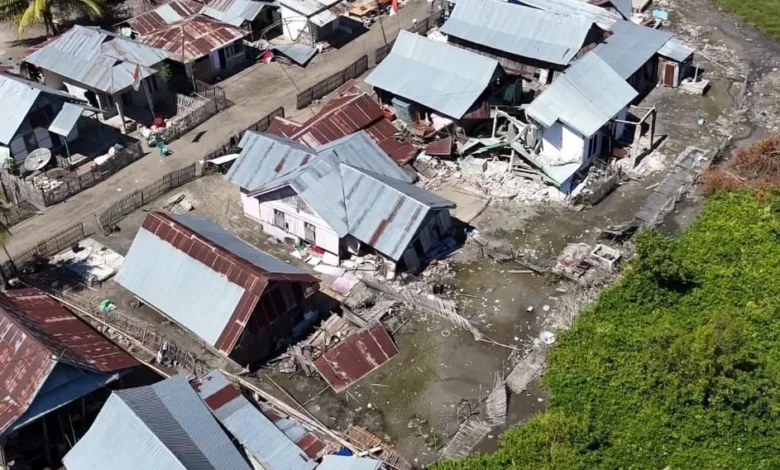
The catastrophic magnitude 7.8 earthquake that struck the Flores region of East Nusa Tenggara (NTT) on Saturday, August 15, 2026, has left an indelible mark on the socio-economic landscape of the island. Occurring at 05:58 WITA, the seismic event originated from the Flores Back-Arc Thrust, a notorious tectonic feature located off the northern coast of Flores. With a shallow focal depth of just 10 kilometers, the earthquake generated intense ground motion that devastated multiple regencies, including Manggarai, East Manggarai, Nagekeo, Sikka, Ngada, Ende, and West Manggarai.
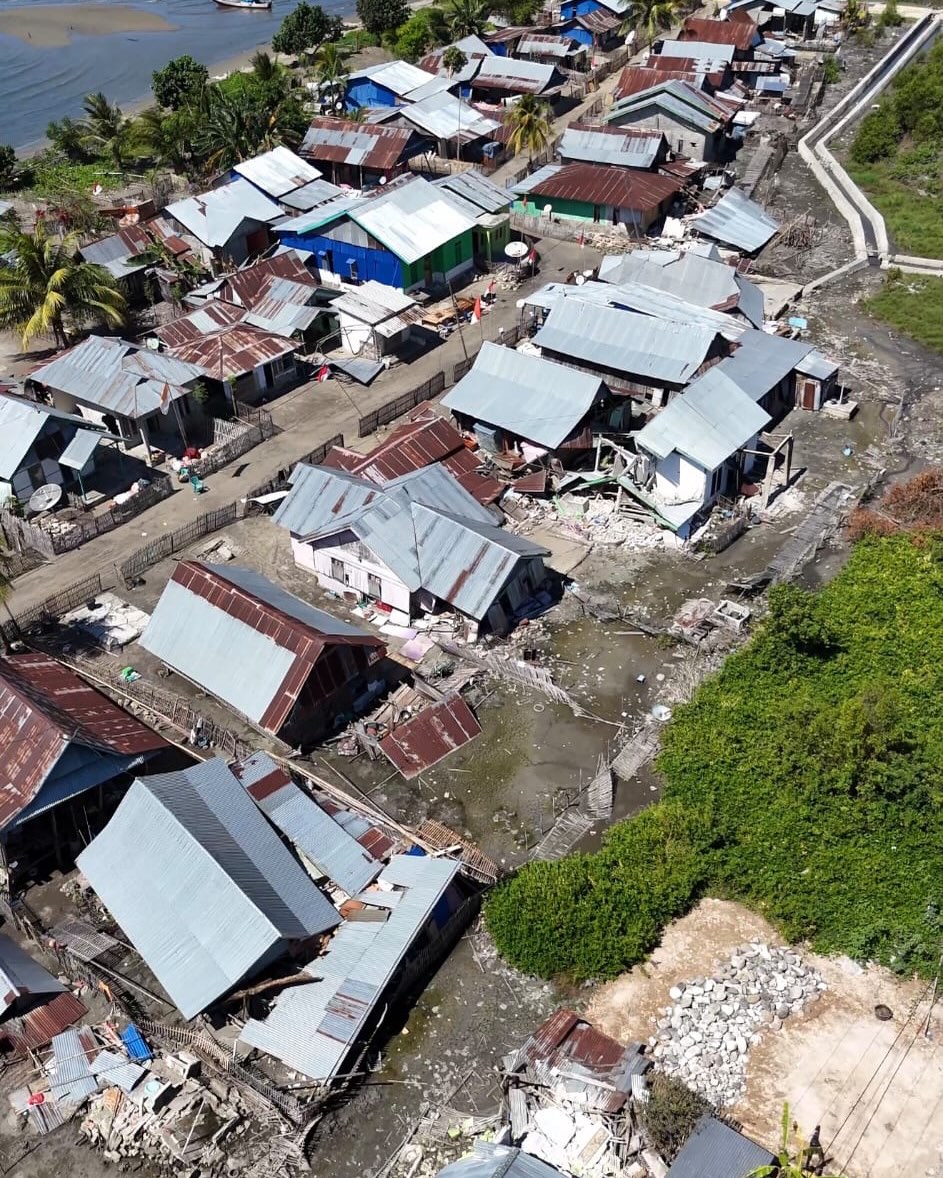
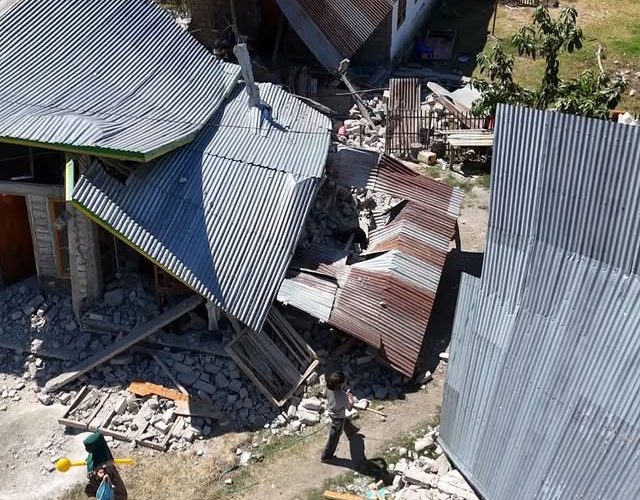
The human cost of this disaster has been significant. According to official data corroborated by the National Agency for Disaster Management (BNPB) and the National Search and Rescue Agency (Basarnas), the tremor claimed 111 lives, while thousands of others sustained injuries ranging from minor to critical. Beyond the immediate humanitarian crisis, the region is currently grappling with widespread infrastructure collapse, including the destruction of residential housing, essential public facilities, educational institutions, and healthcare centers.

Seismic Context and Aftermath Chronology
The Flores Back-Arc Thrust is well-documented by geologists as one of the most active and dangerous fault zones in the Indonesian archipelago. The August 15 event served as a stark reminder of the region’s vulnerability to shallow-crustal earthquakes. The impact was amplified by the lack of seismic-resistant construction in many rural villages, which led to the total or partial collapse of tens of thousands of homes.
The instability of the region persisted long after the initial rupture. BMKG (the Meteorology, Climatology, and Geophysics Agency) has been closely monitoring the subsequent seismic activity. By September 4, 2026, at 17:00 WIB, the agency recorded a staggering 12,209 aftershocks. This persistent seismic swarming has severely hampered search and rescue efforts, complicated the delivery of emergency logistics, and induced psychological trauma among survivors, many of whom remain hesitant to return to remaining structures due to the constant threat of further collapse.
Humanitarian Response and Grassroots Mobilization
In the immediate wake of the disaster, local communities and non-governmental organizations initiated relief operations to supplement state-led emergency responses. Among these entities, the Backpacker Jakarta (BPJ) community launched a coordinated relief initiative aimed at providing direct assistance to the most severely affected, yet often overlooked, areas in East Manggarai.
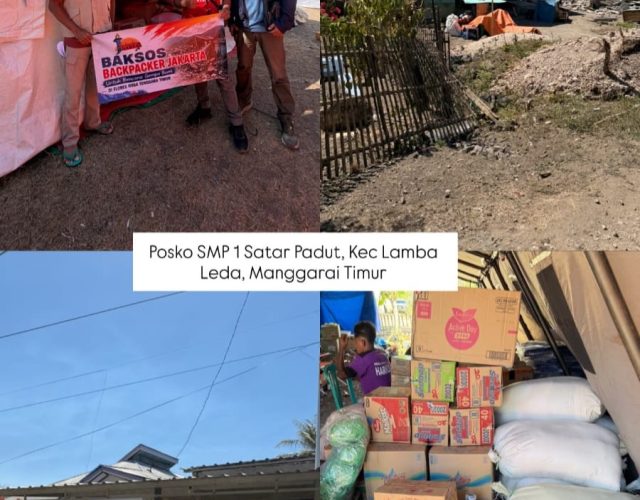
Recognizing the logistical hurdles faced by central authorities in reaching remote settlements, Backpacker Jakarta mobilized its network of members to collect financial contributions. This effort culminated in a comprehensive distribution mission on August 26, 2026, targeting three specific sites in the Lamba Leda and Elar districts.
Targeted Distribution of Relief Aid
The mission led by Backpacker Jakarta prioritized areas where infrastructure damage was most severe, such as the village of Waso. The aid was divided into three strategic segments, ensuring that both immediate sustenance and long-term recovery needs were addressed.
Posko A and B: Lamba Leda District
The distribution centers established at Kampung Waso and the Posko Terpadu at SMP 1 Lamba Leda received a combined donation allocation of Rp15,074,000. Recognizing that basic shelter and sanitation are the primary concerns following a displacement event, the funding was allocated toward the construction of water management systems for refugee tents, costing Rp1,334,500.
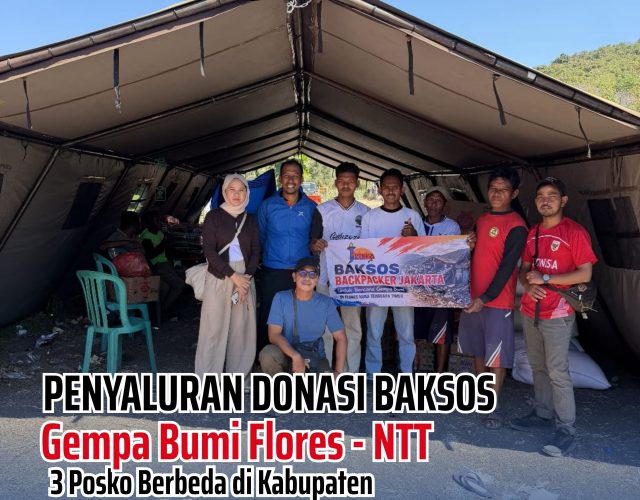
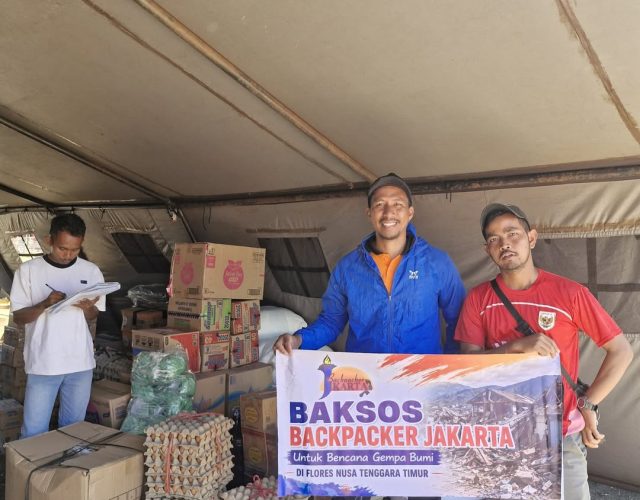
Additional provisions included essential groceries, totaling Rp10,880,000. These "survival kits" were curated to address the specific needs of displaced families, encompassing rice, cooking oil, eggs, instant noodles, sugar, coffee, and seasonings. Given the presence of vulnerable populations in these camps, the kits also included critical health and sanitation items such as infant formula, diapers, sanitary pads, toiletries, and traditional medicinal oils. The logistical operation was supported by a dedicated transportation budget of Rp1,500,000 for pickup trucks, along with the provision of lighting units for camp safety and fresh produce to ensure nutritional intake.
Posko C: Elar District
The third distribution point in the village of Elar received a targeted aid package valued at Rp2,125,000, which was utilized to secure three 50-kilogram sacks of high-quality rice. This direct intervention addressed the immediate food insecurity faced by the rural population in the aftermath of the event.
The total financial contribution successfully distributed by Backpacker Jakarta reached Rp17,199,000. This effort underscores the importance of community-led humanitarian action in augmenting the broader national response, particularly when localized needs exceed the reach of centralized emergency management systems.
Socio-Economic Implications for Flores
The long-term recovery of the Flores region presents a formidable challenge. The destruction of educational facilities has forced thousands of students to pause their academic pursuits, while the damage to healthcare infrastructure has limited the availability of routine and emergency medical care. The economic impact is further exacerbated by the destruction of homes, which represents the primary asset for most rural families in the region.
Analysts note that the reconstruction phase will require a multi-pronged approach. First, the government must prioritize the retrofitting of existing buildings and the implementation of stricter building codes to mitigate the impact of future seismic events. Second, economic recovery programs are essential to assist farmers and small business owners in the affected regencies to regain their livelihoods.
Furthermore, the psychological impact on the survivors—particularly children—cannot be overstated. The sustained aftershocks have created a persistent state of high alert, which can lead to long-term anxiety and post-traumatic stress. Mental health support, currently limited in rural Flores, must be integrated into the government’s recovery roadmap alongside structural rebuilding.
Official Stance and Coordination
While the government continues to spearhead the official recovery process through the BNPB, the coordination between state agencies and civil society organizations remains a critical component of the recovery narrative. Authorities have urged the public to remain vigilant and to rely only on official information provided by the BMKG regarding seismic activity.
The success of grassroots efforts like those of Backpacker Jakarta highlights a significant trend in Indonesian disaster management: the increasing efficacy of private networks in providing rapid, targeted aid. However, as the region moves from the emergency relief phase to the rehabilitation and reconstruction phase, the focus must shift from short-term sustenance to systemic rebuilding.
Conclusion and Future Outlook
The Flores earthquake of 2026 stands as one of the most significant seismic disasters in recent Indonesian history. The scale of the destruction, combined with the sheer volume of aftershocks, has tested the resilience of the local population and the responsiveness of aid organizations.
As the recovery efforts continue, Backpacker Jakarta has signaled its intention to launch a second phase of aid distribution, with details to be announced to its member base. The continued commitment from both the public and private sectors will be essential in ensuring that the affected districts of Manggarai, East Manggarai, and surrounding areas can regain their footing. The journey toward recovery is far from over, and the lessons learned from this tragedy regarding disaster preparedness and community mobilization will likely inform future humanitarian strategies across the region. As of early September, the situation remains fluid, with ongoing monitoring of both the geological stability of the Flores Back-Arc Thrust and the socioeconomic health of the impacted communities.