15 Rekomendasi Helm Bogo Terbaik dan Tips Memilih Helm Retro yang Aman untuk Berkendara Sehari-hari

The resurgence of vintage-inspired aesthetics in the automotive industry has propelled the Bogo helmet to the forefront of motorcycle gear trends. Characterized by a rounded shell, exposed face, and distinct bubble-style or flat visors, these helmets have become a staple for riders of both modern scooters and classic custom motorcycles. While the aesthetic appeal is undeniable, the proliferation of these helmets in the market has necessitated a closer examination of their safety standards, manufacturing quality, and practical utility for daily commuting.
The Evolution of Retro Headgear
The term "Bogo" has colloquially evolved from a specific brand association to a generic descriptor for a wide array of retro-style open-face helmets. Historically, the design pays homage to the headgear used in the mid-20th century. As the custom culture and the popularity of Vespa and classic Japanese motorcycles grew significantly between 2020 and 2025, the demand for accessories that match this lifestyle aesthetic surged.
However, this fashion-forward trend has faced scrutiny from safety organizations. Historically, the minimalist design of traditional retro helmets often sacrificed advanced impact-absorption features found in full-face touring helmets. In response, regulatory bodies, including those overseeing the SNI (Indonesian National Standard), have ramped up enforcement to ensure that manufacturers producing these stylish shells do not compromise on the structural integrity required to withstand high-impact forces.
Safety Standards and Industry Compliance
Industry analysts note that the rise of low-cost, mass-produced retro helmets has created a bifurcated market. On one end, there are premium manufacturers utilizing ABS (Acrylonitrile Butadiene Styrene) thermoplastic and multi-density EPS (Expanded Polystyrene) liners. On the other, there are entry-level products that prioritize form over function.
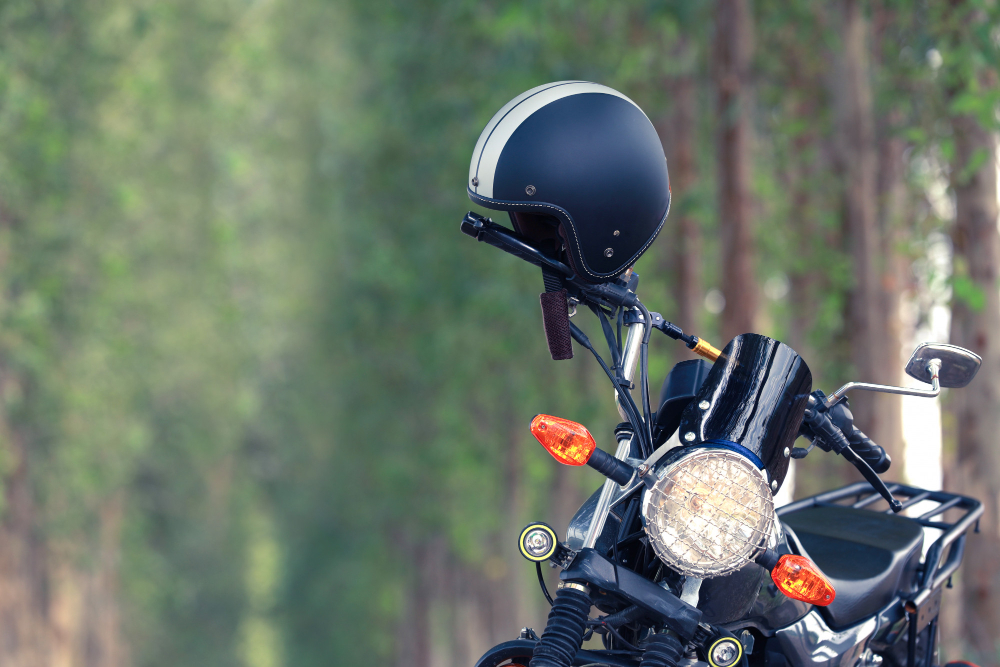
According to automotive safety guidelines, a helmet is not merely a fashion accessory but a life-saving apparatus. The critical components of a safe Bogo helmet include:
- Shell Material: High-impact thermoplastic or fiberglass.
- Impact Liner: EPS foam that serves as the primary energy-absorbing layer.
- Retention System: A reliable chin strap, preferably with a micro-click or double-D ring system.
- Visibility: Optical-grade visors that prevent distortion and are resistant to scratching.
Comprehensive List of Popular Bogo Helmets
The current market offers a spectrum of choices, ranging from ultra-affordable basic models to feature-rich versions. Below is an analytical breakdown of fifteen notable options available to consumers today.
1. Cargloss CFM Retro
Regarded as a benchmark in the Indonesian retro market, the Cargloss CFM utilizes high-impact ABS resin. Its popularity stems from a consistent manufacturing process that adheres strictly to SNI requirements. The interior features removable padding, a standard often missing in cheaper alternatives, allowing for better hygiene maintenance.
2. Bogo Signature / Unggulis Chrome
This model appeals to purists. The inclusion of chrome piping along the base of the shell offers a refined vintage aesthetic. It is frequently chosen by riders of classic-look motorcycles who prefer a minimalist, clean appearance without loud branding.
3. Palumura Classic Polos
Designed for the budget-conscious commuter, the Palumura series focuses on the essential geometry of the Bogo shape. It provides a lightweight profile that reduces neck strain during short city commutes, though it lacks some of the advanced comfort features found in higher-tier models.
4. JBX Helmet Retro Series
The JBX series is distinguished by its robust shell construction. It is often cited as a favorite within the custom bike community, as the shell shape complements the proportions of vintage-frame motorcycles better than smaller, generic counterparts.
5. Marcolino Classic Edition
Marcolino distinguishes itself by focusing on interior comfort. By incorporating antibacterial fabrics and a micro-click retention system, it bridges the gap between old-school style and modern rider expectations for convenience and hygiene.
6. R-SIX Bogo Retro
Flexibility is the primary selling point for the R-SIX series. Because it is compatible with various visor styles—ranging from bubble visors for a 70s look to flat pilot visors for a more aggressive profile—it allows the user to customize their gear according to their aesthetic preference.
7. GVR / Injak Character Series
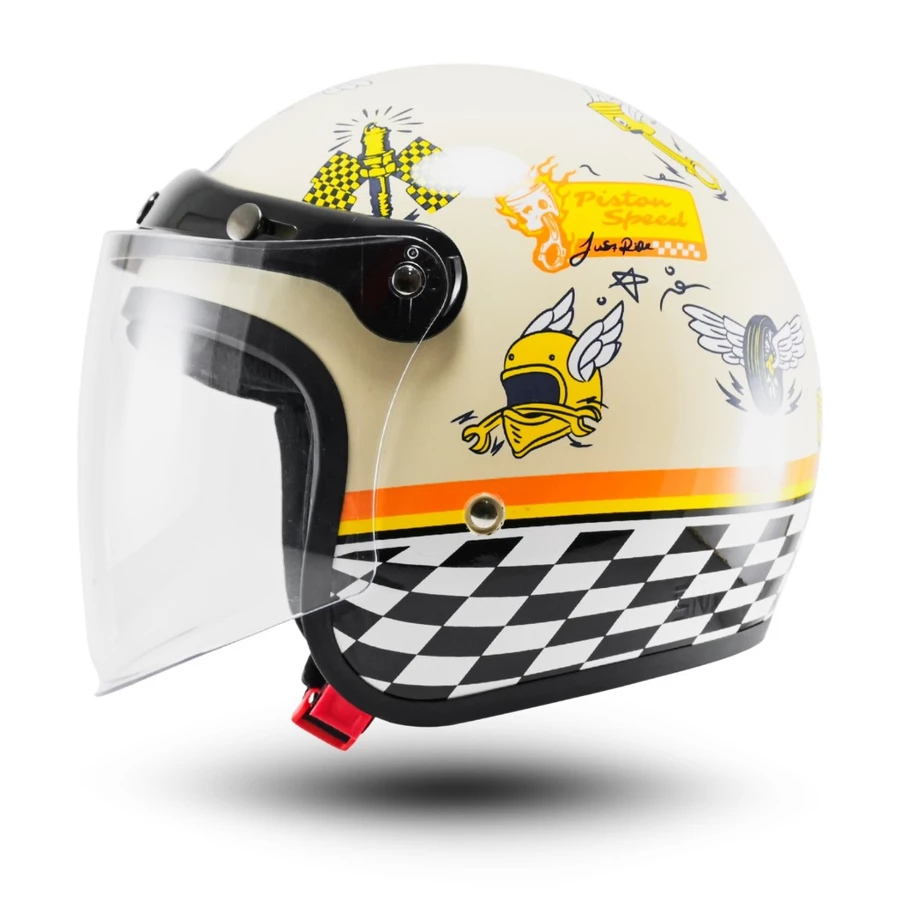
The GVR/Injak lines cater to the younger demographic or those seeking personality in their gear. With graphic-heavy designs, such as the Snoopy Series, these helmets prove that safety gear does not have to be monochromatic to be effective.
8. JPN Retro / Classic
JPN has carved a niche for itself by offering a "clean" shell. Without the permanent pet (peak) or complex molding, it serves as a blank canvas for riders who want to install their own specific visors or goggles.
9. NSX Fiora Hijab
A significant development in the industry is the ergonomic adjustment for specific rider demographics. The NSX Fiora Hijab features a rear contour designed specifically to accommodate a headscarf or hair tie, preventing the helmet from shifting or creating pressure points for female riders.
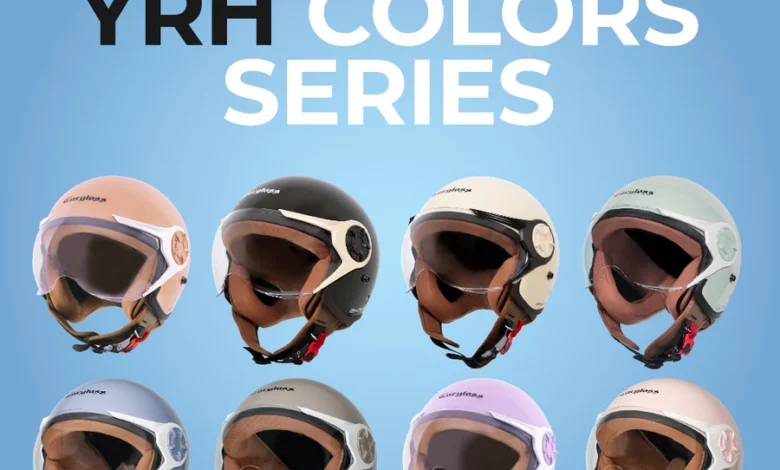
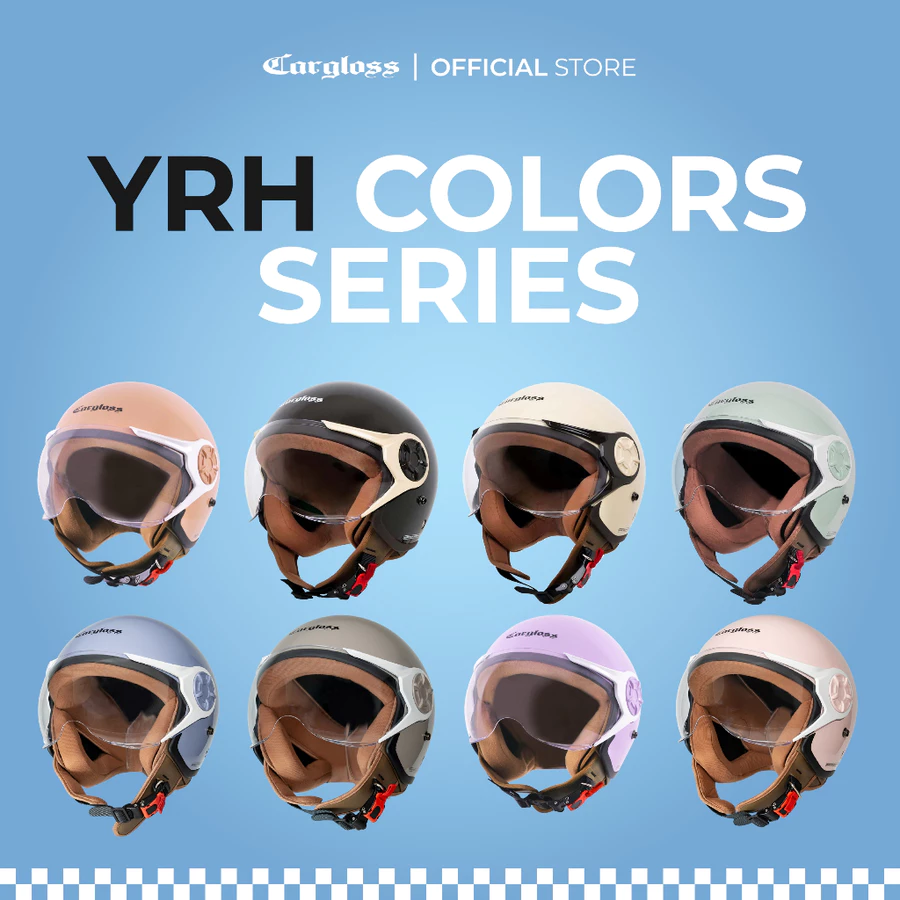
10. YRH Premium Entry
The YRH model is a staple in the entry-level segment, often bundled with a pilot-style visor. It represents the "standard" Bogo experience, providing basic protection at an accessible price point for students and daily commuters.
11. AVA / Shell Bogo Full Leher
Safety-conscious riders often prefer this model due to the extended shell coverage. By covering the nape of the neck, it offers slightly more protection against abrasion and wind noise compared to the standard, shorter Bogo designs.
12. GPRO Classic Urban Series
The GPRO Urban series introduces matte finishes and pastel color palettes, targeting the modern, fashion-conscious urbanite. Its quick-release buckle is a nod to modern convenience, making it easy to remove in high-traffic situations.
13. Jitsu Classic JR2
Jitsu focuses on finish quality, particularly the longevity of the exterior paint. This model is ideal for riders who keep their bike parked outdoors, as the high-quality coating is formulated to resist UV fading and weather-induced degradation.
14. Blackwell / Injak Leather-Wrapped
For those seeking an authentic vintage vibe, the leather-wrapped Bogo is the gold standard. The synthetic leather exterior mimics the headgear of early 20th-century aviation, providing a texture and tactile feel that plastic shells cannot replicate.
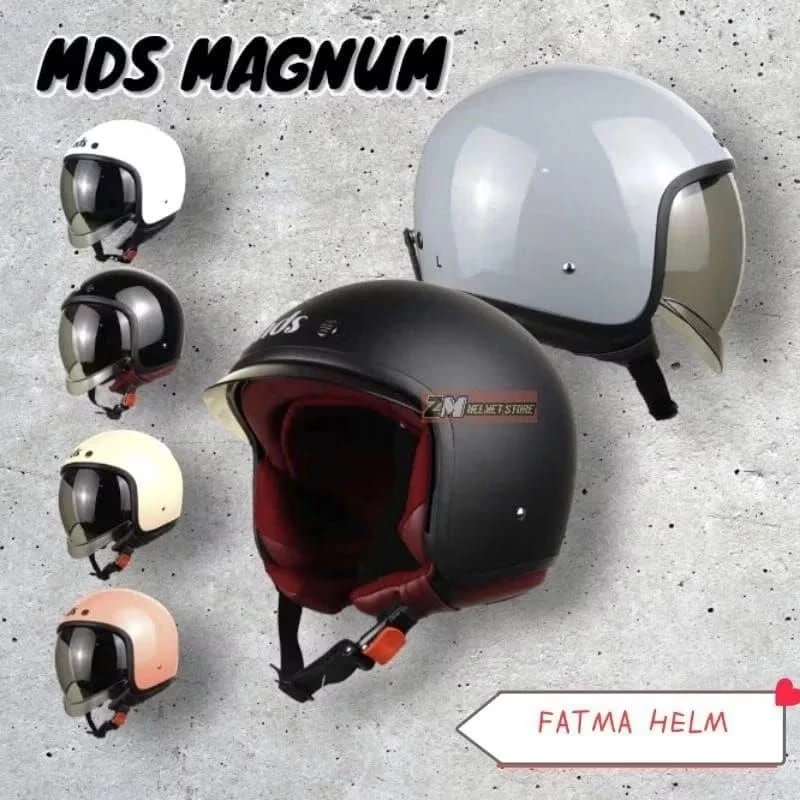
15. MDS Zarra Double Visor
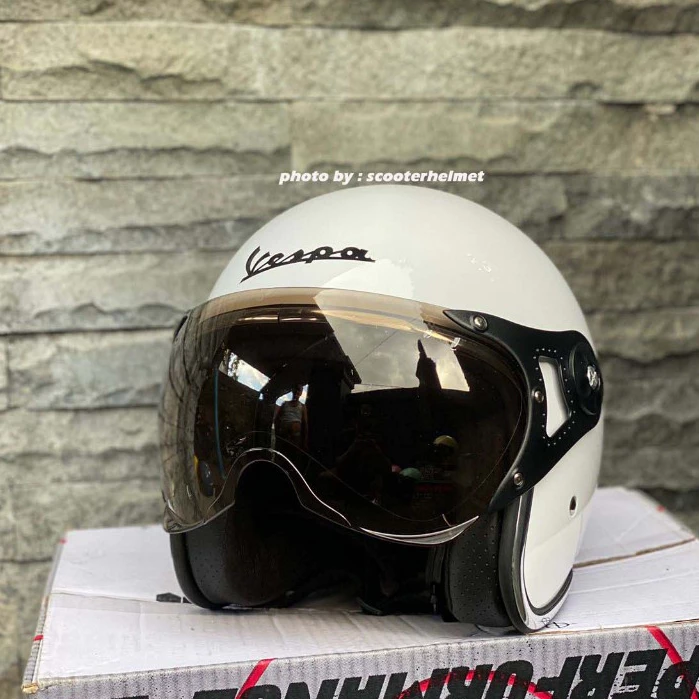
Perhaps the most "modern" of the list, the MDS Zarra includes an internal drop-down sun visor. It addresses the common issue of glare during daytime riding, which is a significant safety hazard that fixed-visor helmets often fail to mitigate.
Factors to Consider Before Purchase
When evaluating these options, riders must look beyond the price tag. The most critical factor is the fitment. A helmet that is too loose will fail to provide adequate protection during an impact, as it will shift on the head. Conversely, a helmet that is too tight can cause fatigue and distraction.
The Importance of Certification
Regardless of the brand, a buyer must verify the presence of the SNI label. In the context of Indonesian law, this mark is mandatory. It signifies that the helmet has undergone laboratory testing for impact resistance, penetration resistance, and retention system strength.
Maintenance and Replacement Cycles
The lifespan of a helmet is not infinite. Even if a Bogo helmet appears to be in good condition, the internal EPS foam degrades over time due to exposure to UV light, sweat, and hair oils. Safety experts recommend replacing a helmet every three to five years, or immediately following any significant impact, even if there is no visible damage to the outer shell.
Broader Implications of the Retro Trend
The trend toward Bogo helmets has broader implications for road safety. While these helmets are appropriate for low-to-medium speed urban commuting, they are generally not recommended for long-distance touring or high-speed highway travel. The open-face design exposes the chin and face to potential road debris and impact, which is why many safety advocates continue to encourage the use of full-face helmets for higher-speed environments.
However, the popularity of these helmets has forced manufacturers to innovate, leading to better materials and more ergonomic designs than were available a decade ago. The integration of modern safety features—such as better ventilation, anti-fog coatings, and internal sun visors—into the classic Bogo silhouette represents a successful marriage of style and safety.
In conclusion, the Bogo helmet remains an essential part of the motorcycle culture. By selecting a model that balances aesthetic preference with legitimate safety certification, riders can enjoy the classic look without compromising their well-being on the road. Always prioritize the fit and the integrity of the materials, and ensure that your gear matches the specific demands of your daily commute.