Fabio Di Giannantonio Slams Media Intrusion After Viral Private Chat With Francesco Bagnaia Exposes Ducati Tension

The modern era of premier-class Grand Prix motorcycle racing is characterized by unprecedented technological integration, relentless media scrutiny, and a 24-hour digital news cycle that leaves virtually no sanctuary for athletes. This intense environment recently became the focal point of controversy following the 2026 MotoGP San Marino Grand Prix, where a casual, off-the-record conversation between Ducati riders Fabio Di Giannantonio and Francesco "Pecco" Bagnaia was inadvertently captured by broadcaster DAZN Spain. The resulting footage, which quickly went viral across various social media platforms, ignited a flurry of speculation regarding internal dynamics, machine development constraints, and rider autonomy within the Borgo Panigale factory ecosystem.
The leaked audio and visual recording captured Di Giannantonio suggesting a specific chassis or electronic setup modification to Bagnaia, who has faced persistent developmental hurdles and competitive fluctuations during the 2026 campaign. In response to the suggestion, the factory Ducati Lenovo Team star reportedly confessed that management had explicitly denied him permission to implement such alterations, stating that the manufacturer refused to let him pursue that specific technical direction. The revelation immediately triggered widespread debate among motorsport analysts, fans, and rival teams, casting a spotlight on Ducati’s strict engineering hierarchy and its management of rider feedback.
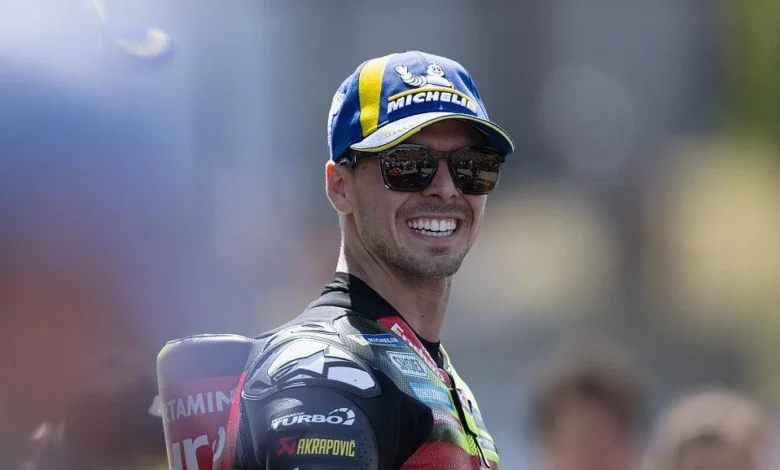
Faced with a mounting wave of speculation, Di Giannantonio—who competes on a Ducati Desmosedici for the Pertamina Enduro VR46 Racing Team—chose to address the controversy head-on during media engagements following the weekend. Rather than validating or expanding upon the technical gossip embedded within the clip, the Italian rider directed his criticism toward the ethics of capturing and broadcasting private athlete interactions under the guise of sports entertainment.
Anatomy of a Leak: The Chronology of Events at Misano
The incident unfolded in the paddock of the Misano World Circuit Marco Simoncelli immediately following the conclusion of the San Marino Grand Prix. Traditionally, the moments immediately post-race serve as a decompression period for riders. Having spent grueling hours battling physical fatigue, intense thermal conditions, and high-speed machinery, competitors frequently congregate in media pens, cool-down rooms, or hospitality areas to share immediate impressions of the race track.
During one such moment of informal relaxation, Di Giannantonio and Bagnaia engaged in a candid technical exchange. Given their shared Italian heritage, long-standing interpersonal history within the racing ranks, and mutual familiarity with the Ducati Desmosedici platform, such conversations are commonplace. Riders routinely cross-reference data interpretations, track conditions, and setup compromises to gain a collective understanding of machine performance.
However, neither rider was aware that a directional microphone or long-range broadcast camera operated by DAZN Spain was recording their private dialogue. The snippet was subsequently integrated into live programming, isolated, clipped, and disseminated across digital channels. Within hours, the phrase "They don’t let me do it" became a trending topic among MotoGP enthusiasts, prompting intense discussions about whether Ducati exercises an overly restrictive approach to its factory riders compared to its satellite operations.
Di Giannantonio’s Critique of Paddock Surveillance
Addressing reporters with visible frustration, Di Giannantonio emphasized that the core issue transcended the technical content of the conversation. He argued that the fundamental right to privacy in professional sports was compromised in the pursuit of viral engagement.
"I do not wish to discuss the core story itself, because that is not my story to tell," Di Giannantonio stated during media debriefs. "However, I can state one thing clearly: we riders, particularly those of us who are Italian, have known each other for a very long time and we always talk about our motorcycles. It is a completely natural thing for us to do."
The VR46 rider underscored the expectation of privacy in designated paddock areas, noting that modern media deployment frequently oversteps unspoken boundaries. What occurred, according to the Italian, took place outside the expected boundaries of public broadcast—or at least within an environment where the athletes reasonably assumed they were shielded from live microphones.
"What happened occurred beyond the reach of cameras—or at least, what we believed was beyond the reach of cameras, because as it turned out, a camera was rolling," he continued. "From my perspective, that approach is somewhat inappropriate, because it involves another rider discussing private matters. Sometimes, it would be far better to respect certain situations rather than simply chasing additional clicks and engagement."
The Culture of Paddock Camaraderie and Technical Sharing
To contextualize the conversation, Di Giannantonio elaborated on the collaborative ecosystem that exists behind the scenes in the MotoGP paddock. Despite fierce on-track rivalries, riders operating machinery from the same manufacturer frequently establish support networks to overcome recurring chassis, aerodynamic, or electronic dilemmas.
Di Giannantonio revealed that Bagnaia has historically served as an essential resource during moments when the former has struggled to unlock the full potential of his Desmosedici. According to the VR46 rider, the factory Ducati star has consistently offered technical advice and constructive feedback to help him navigate performance plateaus.
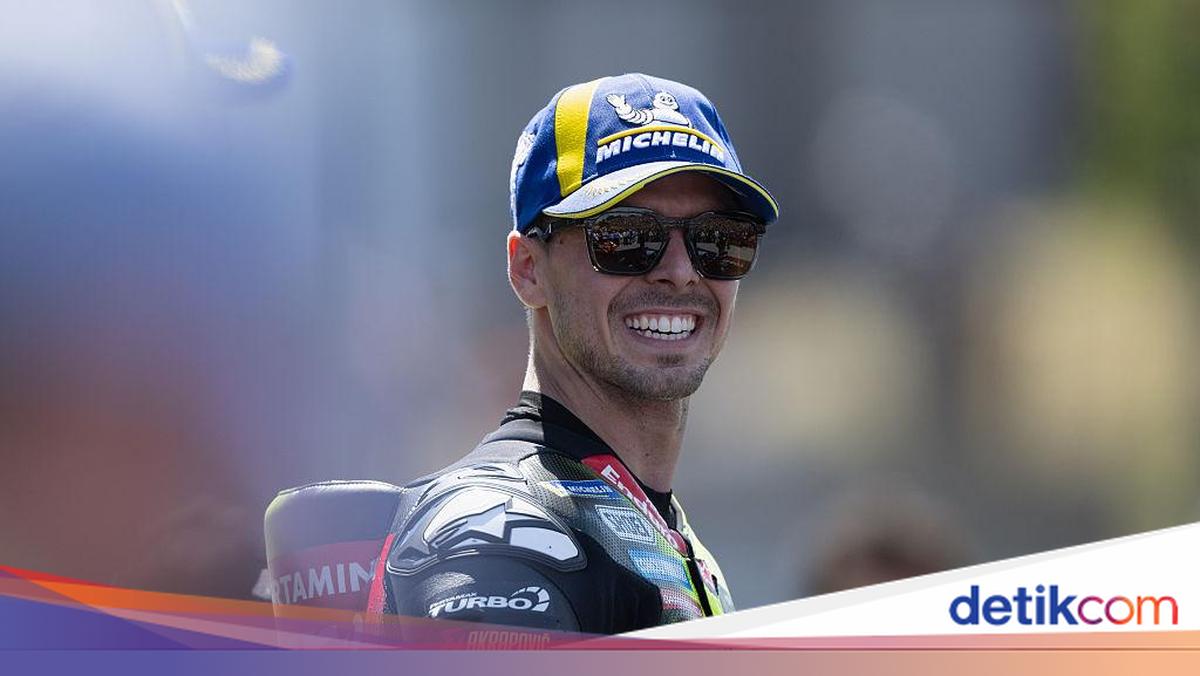
"When I have experienced difficulties with the Ducati, I have always spoken with Pecco and tried to gather as much information from him as possible," Di Giannantonio explained. "He has consistently helped me, attempting to provide the best advice so that I could develop and improve. And whenever possible, I attempt to do the exact same thing for other riders whom I have known for a long time. For us, it is nothing more than a normal conversation between peers."
This dynamic highlights the complex interplay between individual competition and corporate engineering directives in modern MotoGP. While satellite teams like VR46 and Gresini Racing operate with varying degrees of technical support from Bologna, factory riders like Bagnaia bear the primary burden of championship development, often testing experimental specifications that may or may not filter down to customer squads.
The Technological Panopticon: Cameras, Microphones, and Athlete Isolation
Di Giannantonio’s broader critique targeted the relentless expansion of broadcast technology within the premier class. In recent years, Dorna Sports—the commercial rights holder of MotoGP—has implemented extensive behind-the-scenes coverage, including on-board radio communications, mandatory pre-race grid interviews, open-garage policies, and high-definition directional audio capture designed to bring fans closer to the action.
While these initiatives have successfully enhanced fan engagement and modernised the sport’s broadcast appeal, athletes increasingly warn of unintended consequences. The constant presence of media equipment creates an environment of perpetual surveillance, forcing competitors to monitor their words even when resting away from official media zones.
"The issue is that nowadays, cameras are always present. Always," Di Giannantonio cautioned. "Consequently, we are heading toward a reality where speaking freely becomes exceedingly difficult. For that reason, I believe that journalists and broadcasters must maintain specific boundaries, purely for the collective good and integrity of this sport."
The sentiment reflects a growing anxiety among elite athletes across major motorsports disciplines. As digital media ecosystems demand instantaneous content to satisfy algorithmic feeds, the traditional space for human vulnerability, candid peer-to-peer discourse, and unfiltered expression continues to shrink.
Official Responses and Damage Control
Following the widespread circulation of the video, Francesco Bagnaia addressed the media to downplay the severity of the remarks and clarify the context of the conversation. The factory Ducati rider confirmed that the clip had been severely stripped of its nuance, resulting in exaggerated interpretations across social media channels regarding his relationship with the engineering staff in Borgo Panigale.
Furthermore, Bagnaia disclosed that representatives from DAZN Spain had formally reached out to issue an apology regarding the handling and broadcast of the private discussion. The network acknowledged that capturing and airing an unscripted, off-the-record conversation between riders violated the unwritten code of paddock privacy, prompting a swift institutional effort to contain the fallout.
Despite the apology, the incident has left a lasting impression on the MotoGP community, serving as a case study in the friction between modern sports broadcasting demands and athlete privacy rights.
Broader Implications for Ducati and the 2026 Championship Battle
Beyond the immediate media ethics debate, the leaked exchange inevitably feeds into ongoing paddock narratives concerning Ducati’s technical management. As the dominant constructor in the contemporary MotoGP era, Ducati’s internal hierarchy, data-sharing protocols, and rider management strategies are subjected to microscopic analysis by competitors and media alike.
Speculation regarding setup restrictions for factory riders often points to the intricate balance engineers must maintain between maximizing performance and protecting proprietary hardware data. When a premier rider like Bagnaia expresses a desire to experiment with configurations that management reportedly blocks, it hints at rigid development philosophies designed to mitigate risk or adhere to strict aerodynamic and electronic homologation guidelines.
As the 2026 MotoGP World Championship progresses through its critical phases, teams and broadcasters alike will likely re-evaluate the proximity of recording equipment in semi-private areas. For riders such as Fabio Di Giannantonio and Francesco Bagnaia, the episode serves as an explicit reminder that in the high-stakes theater of modern Grand Prix racing, absolute privacy is an increasingly scarce commodity.