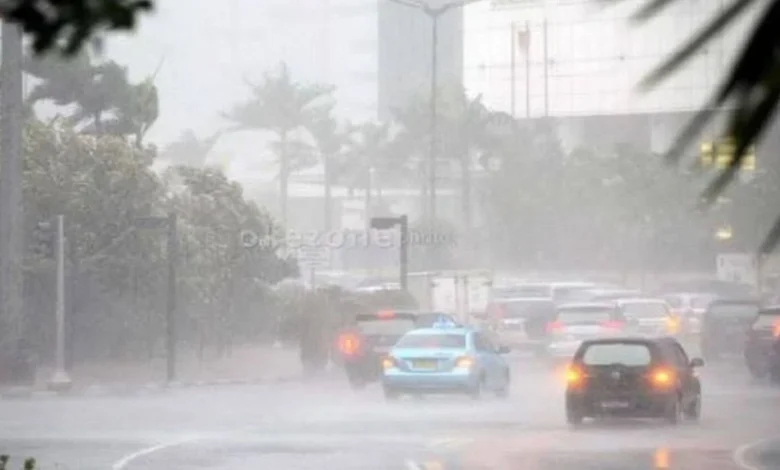
The Meteorology, Climatology, and Geophysics Agency (BMKG) has issued a weather forecast for the Greater Jakarta area (Jabodetabek) for Thursday, September 17, 2026, indicating that the region will generally experience conditions ranging from clear skies to thick cloud cover. While the morning will begin with relatively stable atmospheric conditions, meteorologists have identified potential for precipitation in specific suburban districts, particularly those bordering the higher-altitude areas of West Java.
Daily Weather Outlook and Regional Variations
According to the official data released by the BMKG, the atmospheric pressure and wind patterns for September 17 suggest a transition period as the region navigates mid-September. In the early hours, residents across Jakarta, Bogor, Depok, Tangerang, and Bekasi (Jabodetabek) can expect skies to transition from clear to overcast. As the sun climbs, the temperature will rise significantly, characteristic of the current seasonal shift.
By midday and throughout the afternoon, the sky will remain largely cloudy. However, localized convective activity is expected to trigger light rainfall in specific areas. The forecast highlights that the city and regency of Bekasi, along with the regency of Bogor, are the primary areas where rain is likely to occur. This phenomenon is typical for this time of year, where solar heating leads to localized cloud formation and subsequent precipitation in areas with higher topography or specific wind convergence zones.
Temperature and Atmospheric Data
Temperature regulation in the Jabodetabek area will be divided between the urban heat islands of the capital and the slightly cooler, higher-elevation areas of Bogor. In Bogor City and the surrounding Regency, the temperature is expected to fluctuate between 22 and 34 degrees Celsius. In contrast, the remainder of the Jabodetabek area will experience higher heat indices, with temperatures ranging from 25 to 36 degrees Celsius.
The humidity levels across the region are forecast to remain within a range of 40 to 82 percent. This variation in humidity suggests that while some parts of the morning will feel relatively dry, the potential for light rain in the afternoon could briefly spike moisture levels in the affected areas. Wind patterns are currently predicted to blow from the northeast to the southeast, maintaining a moderate velocity between 5 and 30 kilometers per hour. This wind direction is consistent with prevailing seasonal patterns that influence regional air quality and cloud distribution.
Understanding the Meteorological Context
To provide a broader context, the BMKG monitors these patterns through a network of automatic weather stations (AWS) and meteorological satellites. The potential for rain in Bekasi and Bogor is often linked to the orographic effect—where moist air is forced upward by the mountainous terrain—coupled with local thermal instability. Even if the rainfall remains in the "light" category, the accumulation of such events is critical for agricultural sectors and water resource management in the outskirts of the capital.
The current month of September is historically significant in Indonesia’s meteorological calendar. It marks the transition period, or masa pancaroba, as the country prepares to move from the dry season toward the onset of the rainy season. During this time, weather patterns can be highly unpredictable, characterized by rapid changes in cloud cover and localized, short-duration rainfall that does not necessarily reflect regional trends.
Public Safety and Preparedness Recommendations
In light of these projections, the BMKG has issued a standard advisory for individuals residing in or commuting through the affected areas. Residents planning outdoor activities, particularly those living in the outskirts of Bekasi and Bogor, are encouraged to monitor real-time weather updates through the agency’s official mobile application or social media channels.
The primary concern during such days is not necessarily severe weather—as the current forecast does not indicate extreme phenomena—but rather the disruption that localized rain can cause to transportation and daily logistics. Motorists are advised to ensure their vehicles are well-maintained, as road surfaces can become slippery during the initial stages of rainfall. Furthermore, those working in construction or outdoor maintenance sectors should remain vigilant for sudden atmospheric shifts, which can occur during the transition between the peak heat of the afternoon and the potential cloud buildup.

Economic and Urban Implications
The impact of daily weather patterns in Jabodetabek is profound, given the high population density and the reliance on outdoor mobility for the regional economy. With nearly 30 million people residing in the Greater Jakarta area, even minor weather shifts can have ripple effects on traffic congestion, public transport efficiency, and energy consumption.
For instance, temperatures reaching 36 degrees Celsius in central Jakarta often correlate with increased electricity demand due to air conditioning usage. Conversely, the arrival of light rain in the afternoons can lead to localized traffic bottlenecks, as commuters adjust their travel speeds and pedestrians seek shelter. Urban planners and local authorities often utilize these daily reports to manage flood mitigation systems, ensuring that drainage channels are cleared in anticipation of both light rain and potential unexpected downpours that characterize the pancaroba period.
Chronological Assessment of Weather Patterns
Observing the progression of the week, the meteorological data suggests a period of relative consistency in the thermal profile, followed by a slight increase in cloud cover as the week concludes. The current forecast for Thursday represents a standard meteorological scenario for the season. Historically, the BMKG has emphasized that while general forecasts are accurate, the nature of the pancaroba season means that localized weather events can develop quickly, sometimes deviating from broad predictions by a matter of kilometers.
By keeping a close eye on the wind speed and direction, meteorologists can predict the movement of rain clouds. The current wind speed of up to 30 km/h is considered moderate, meaning that while there is potential for rain in Bekasi and Bogor, the clouds are unlikely to linger for extended periods, reducing the risk of sustained, heavy downpours that could lead to localized flooding.
The Role of Official Meteorological Reporting
The role of agencies like the BMKG is to translate complex atmospheric data into actionable information for the public. By providing clear temperature ranges, humidity percentages, and wind velocity statistics, the agency empowers the public to make informed decisions regarding their daily routines.
The integration of technology, such as the YouTube briefings and real-time data portals mentioned in the agency’s communication channels, ensures that the public has access to the same information as emergency responders. This transparency is vital for a region as vulnerable to climate variability as Indonesia. It is through this continuous monitoring and the dissemination of reliable data that the city can maintain a degree of normalcy despite the inherent volatility of the tropical climate.
Looking Ahead: Long-term Climate Resilience
As the region moves toward the end of 2026, the data gathered during these transitional months will be analyzed to refine long-term climate models. These models are essential for city planning, including infrastructure projects designed to handle the increasing intensity of rainfall that the region has faced over the past decade.
While today’s forecast for September 17 calls for only light rain, the cumulative data from the past several years indicates a clear trend of shorter, more intense weather cycles. Public awareness and adherence to meteorological advisories remain the first line of defense in managing the impacts of these changes on the urban environment. Residents are reminded to stay updated via official sources, as the nature of the climate in the tropics necessitates a high level of agility and preparedness for all citizens of the Jabodetabek region.
In conclusion, while Thursday’s weather is expected to remain largely manageable, the combination of high temperatures and localized precipitation requires a moderate level of caution. By staying informed and planning accordingly, the residents of Jakarta, Bogor, Depok, Tangerang, and Bekasi can navigate the day with minimal disruption, effectively balancing the demands of their professional lives with the realities of the changing seasonal climate.
Related posts: