Pertamina Accelerates National Energy Independence Through Strategic Palm Oil-Based Bioenergy Development and Green Refinery Expansion

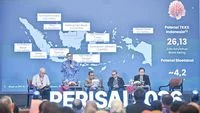
PT Pertamina (Persero) has formally reaffirmed its strategic commitment to supporting the Indonesian government’s ambitious target of drastically reducing fuel imports to bolster national energy security. This comprehensive initiative centers on the optimization of Indonesia’s vast palm oil resources and their various derivatives, transforming the nation from a major fuel importer into a leader in bioenergy self-sufficiency. Oki Muraza, the Vice President Director of Pertamina, emphasized that palm-based bioenergy represents a measured and scalable solution to the ongoing challenge of domestic energy demand, which historically has been heavily reliant on imported crude oil and refined petroleum products.
Speaking in a written statement on Tuesday, July 21, 2026, Muraza highlighted that the answers to Indonesia’s energy dependency are essentially "right before our eyes." By leveraging Crude Palm Oil (CPO) and Empty Fruit Bunches (TKS), the state-owned energy giant aims to catalyze a paradigm shift in how the nation powers its transport and industrial sectors. This strategy is not merely an environmental gesture but a fundamental economic necessity designed to safeguard the nation’s foreign exchange reserves and ensure long-term energy sovereignty.
The Triple Pillars of National Energy Resilience
According to Pertamina’s strategic roadmap, there are three primary potentials inherent in bioenergy that can fortify the national energy landscape. The first is the sheer abundance of domestic biomass. As the world’s largest producer of palm oil, Indonesia possesses an unparalleled supply of raw materials that can be diverted from export markets to domestic energy production. This localized supply chain reduces vulnerability to global geopolitical fluctuations and supply chain disruptions that often plague the international oil market.
The second pillar involves the dual role of bioenergy in maintaining energy security while simultaneously accelerating decarbonization efforts. As the global community shifts toward Net Zero Emissions, the transportation sector remains one of the most difficult to abate. Biofuels provide a "drop-in" solution that can utilize existing internal combustion engine technology while significantly lowering the carbon footprint of the national vehicle fleet.
The third pillar is the socio-economic impact, specifically the cultivation of a circular economy. By creating a robust market for palm oil derivatives and agricultural waste, Pertamina is helping to drive economic growth in rural areas, providing more stable income streams for smallholder farmers, and creating high-tech jobs in the refinery and distribution sectors.
Advancing the Biodiesel Frontier: From B35 to B50
Indonesia has already established itself as a global pioneer in biodiesel implementation. The transition from B20 to B30, and subsequently to B35, has served as a global benchmark for biofuel mandates. Currently, Pertamina is spearheading the implementation of the B50 program—a blend of 50% fatty acid methyl ester (FAME) derived from palm oil and 50% fossil diesel. This program officially crowns Indonesia as the country with the highest biodiesel blending rate in the world.
To support this massive undertaking, Pertamina has overhauled its logistics and distribution networks. Currently, B50 is available across a vast geographical spread, reaching 86 out of Pertamina’s 121 Fuel Terminals nationwide. This infrastructure ensures that the transition to higher bio-content fuels is not restricted to urban centers but is felt across the archipelago, from Sumatra to Papua. The logistical feat of maintaining quality control and consistent supply for B50 requires advanced blending technologies and rigorous testing to ensure engine compatibility and performance.
Tackling Gasoline Imports via the Bioethanol Roadmap
While Indonesia has seen significant success in the diesel sector, gasoline remains a major component of the national import bill. To address this, Pertamina is aggressively expanding its bioethanol capabilities. A key project in this endeavor is the development of a dedicated bioethanol production facility in Glenmore, East Java. With a projected capacity of 30,000 kiloliters per year, the Glenmore plant is a cornerstone of the government’s E10 roadmap, which aims to mandate a 10% ethanol blend in gasoline.
The development of bioethanol in Indonesia faces different challenges than biodiesel, primarily regarding feedstock competition with the food industry. However, Pertamina is innovating by looking beyond food-grade sugar and corn. The company is now focusing on second-generation (2G) bioethanol, which utilizes lignocellulosic biomass—specifically Empty Fruit Bunches (TKS) from the palm oil industry.
Transforming Waste into Wealth: The Potential of Empty Fruit Bunches
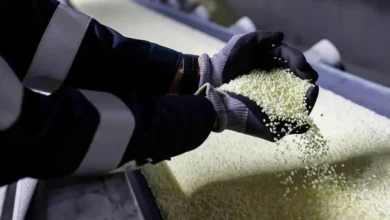
Empty Fruit Bunches have long been considered a low-value byproduct of the palm oil milling process, often left to decompose in fields or used as basic mulch. However, with a potential volume of approximately 25 million tons produced annually in Indonesia, TKS represents a massive, untapped reservoir of energy. Pertamina’s research and development wing is focusing on the "hilarization" or downstream processing of this waste.
"The challenge now lies in the downstream technology," Muraza explained. "We need to effectively break down the complex structures of TKS into glucose, which can then be fermented into bioethanol." If successful, this initiative would effectively eliminate waste in the palm oil value chain, creating a zero-waste industrial model that maximizes the caloric value of every hectare of palm plantation. This move toward 2G biofuels is critical because it avoids the "food vs. fuel" debate, as TKS is not a food source.
Infrastructure Evolution: Green Refineries and Coprocessing
To process these biological feedstocks into high-quality fuels, Pertamina is undergoing a massive technological upgrade of its refining assets. The company is currently supporting the construction of a Dedicated Green Refinery in Cilacap, Central Java. Unlike traditional refineries that have been retrofitted, a dedicated green refinery is designed from the ground up to process 100% renewable feedstocks, such as refined bleached deodorized palm oil (RBDPO) and used cooking oil (UCO), into Green Diesel (HVO) and Sustainable Aviation Fuel (SAF).
In addition to dedicated facilities, Pertamina has successfully implemented "coprocessing" technology. This allows the refinery to process fossil crude and biological feedstocks simultaneously within the same unit. This technology has already been commercially applied at the Cilacap Refinery and is currently undergoing rigorous trials at the Balongan and Dumai refineries. Coprocessing is a cost-effective way to rapidly increase renewable fuel output without the massive capital expenditure required for entirely new facilities.
Collaborative Ecosystems and Economic Implications
The transition to a bio-based energy economy cannot be achieved by a single corporate entity. Oki Muraza stressed that Pertamina requires a solid, integrated ecosystem involving multiple stakeholders. This "Pentahelix" collaboration includes the government (for regulatory frameworks and mandates), the banking sector (for green financing and investment), academia (for R&D and technological breakthroughs), and the general public (as the ultimate consumers and beneficiaries).
The economic implications of this shift are profound. By reducing the volume of imported oil, Indonesia can significantly improve its current account balance. Historically, oil imports have been a primary driver of trade deficits and pressure on the Rupiah. Replacing these imports with domestically produced biofuels keeps wealth within the country, stimulates the domestic agricultural sector, and provides a buffer against the volatility of the Brent or WTI crude oil benchmarks.
Analysis of Future Challenges and Global Positioning
While the roadmap is clear, several challenges remain. The price of CPO is subject to global commodity market fluctuations, which can sometimes make biofuels more expensive than fossil equivalents if crude oil prices are low. To mitigate this, the Indonesian government utilizes the CPO Fund (managed by BPDPKS) to bridge the price gap, ensuring that biofuels remain affordable at the pump.
Furthermore, Indonesia’s push into B50 and E10 has significant implications for its international trade relations. As the European Union and other Western markets implement stricter environmental regulations like the Deforestation Regulation (EUDR), Indonesia’s focus on domestic consumption provides a vital "safety valve" for the palm oil industry. By consuming its own CPO for energy, Indonesia reduces its reliance on export markets that may impose non-tariff barriers.
The success of Pertamina’s bioenergy strategy will ultimately be measured by its ability to maintain a steady supply of high-quality, affordable energy while meeting national emissions targets. The expansion into Sustainable Aviation Fuel (SAF) is the next logical step, as the global aviation industry seeks to decarbonize. With the foundations being laid in Cilacap and Glenmore, Pertamina is positioning Indonesia not just as an energy consumer, but as a regional hub for renewable energy technology and production in Southeast Asia.
Through the integration of upstream agricultural strength and downstream refining innovation, Pertamina is carving a path toward a self-reliant energy future. The focus on circular economy principles—turning agricultural waste like TKS into high-value bioethanol—demonstrates a sophisticated approach to resource management that aligns with global sustainability trends while prioritizing national interests and the welfare of the Indonesian people.