Pantai Wohkudu: Yogyakarta’s Hidden Gem Offers Digital Detox and Unspoiled Natural Beauty

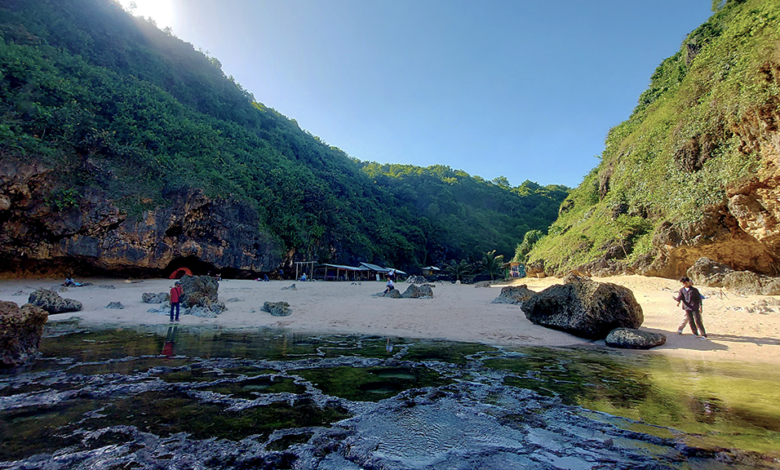
Yogyakarta, Indonesia – In an era defined by constant connectivity, Pantai Wohkudu, a secluded beach in Gunungkidul, offers a compelling proposition: a digital detox amidst breathtaking natural scenery. This relatively undiscovered coastal treasure, nestled within the Padukuhan Wiloso of Girikarto Village, Panggang District, has gained attention for its serene atmosphere, challenging access, and unique geological formations. For travelers seeking an escape from the clamor of modern life and the often-crowded popular tourist spots, Wohkudu presents an enticing alternative.
The most striking characteristic of Pantai Wohkudu, and perhaps its greatest allure, is its almost complete lack of mobile phone signal. Upon entering the rocky terrain surrounding the beach, visitors will find their devices rendered useless, a feature that, while potentially daunting for some, is precisely what amplifies the sense of tranquility for many. This enforced disconnect allows for a profound immersion in the natural environment, a rare commodity in today’s hyper-connected world. The absence of notifications and digital distractions allows for a mental reset, fostering a sense of peace that is palpable, especially during early weekday mornings when the beach is at its most deserted.
Location and Geological Significance
Pantai Wohkudu is strategically located in the southern coastal region of Gunungkidul, an area renowned for its abundance of hidden beaches and dramatic limestone cliffs. Its precise coordinates place it within Padukuhan Wiloso, often referred to as Wiroso, in Girikarto Village. While many might search for "Pantai Wohkudu where," its specific positioning is key to its charm. It is not a sprawling coastline but rather a small, intimate cove, measuring approximately 20 to 25 meters wide, dramatically flanked by towering limestone cliffs reaching about 20 meters in height. These imposing natural walls provide a sense of enclosure and privacy, distinguishing Wohkudu from the more expansive beaches of the region. This unique geological setting, with the high cliffs acting as natural guardians, contributes significantly to its distinctive character, often described as one of the most unique beaches in Gunungkidul.
Proximity to Other Coastal Attractions
For those exploring the southern coast of Gunungkidul, Pantai Wohkudu is conveniently situated near Pantai Kesirat, also known as Tanjung Kesirat. The distance between these two popular destinations is a mere 1 to 3 kilometers, making them an ideal pairing for a day trip. Tourists often visit both beaches to experience contrasting coastal environments. Pantai Kesirat, being more accessible and developed, offers a more social atmosphere suitable for relaxed evenings. In contrast, Wohkudu provides the quiet solitude and natural immersion that many seek for genuine relaxation and "healing." This combination allows visitors to appreciate the diverse offerings of the Gunungkidul coastline within a single excursion.
Navigating the Path to Paradise: Access and Trekking
The journey to Pantai Wohkudu is an integral part of its appeal, offering a rewarding challenge that filters out casual crowds. The access route is typically divided into two distinct stages.
The initial phase involves navigating a narrow, single-lane asphalt road that winds through the characteristic hilly terrain of Gunungkidul. This road, characterized by its inclines and descents, is manageable for both motorcycles and cars, though caution is advised due to its winding nature and limited lighting after dusk.
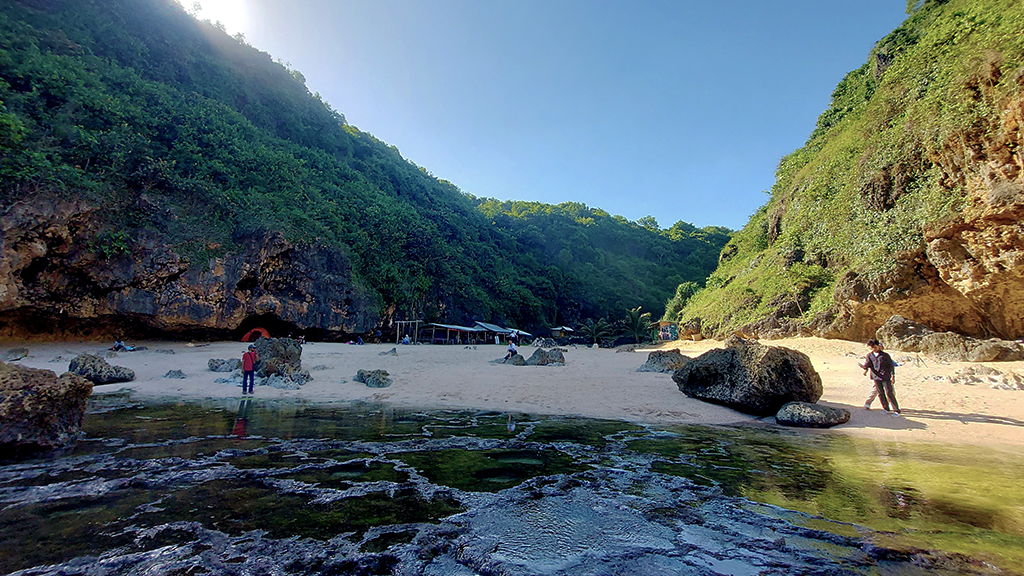
The second, and more defining, stage of access requires a trek from the designated parking area to the beach itself. This walk spans approximately 500 to 600 meters and typically takes between 10 to 20 minutes. The pathway is unpaved, consisting of rocky terrain that descends towards the coast, flanked by dense shrubbery and teak forests. Midway through this trek, visitors will encounter a small junction with simple directional signage; careful attention to these markers is essential to avoid taking a wrong turn.
The overall travel time from Yogyakarta city center to Pantai Wohkudu is estimated to be between 1 to 2 hours by road, covering a distance of approximately 42 kilometers. For those commencing their journey from the iconic Malioboro Street, the drive to Wohkudu is projected to take around 2 to 2.5 hours, followed by the aforementioned 10-20 minute trek. This means a total travel commitment of roughly 2.5 to 3 hours before one can finally set foot on the beach. The common route involves heading towards Panggang via Jalan Imogiri Barat or Jalan Wonosari. The road conditions in this region are known for their numerous sharp descents, underscoring the importance of being physically fit and ensuring vehicle maintenance, particularly brakes and tires.
Entrance Fees and Associated Costs
Pantai Wohkudu operates on a modest fee structure, encompassing an entrance ticket, vehicle parking, and additional charges for those opting to camp. These costs are generally considered affordable, particularly for budget-conscious travelers, and are significantly lower than those found at more commercially developed beaches like Indrayanti or Baron.
It is crucial to note that these figures are subject to change based on local management policies. Therefore, it is advisable not to rely solely on online information, including this report, as an absolute benchmark for pricing. The most reliable method is to prepare sufficient cash and inquire directly with officials or local attendants at the entrance post or parking area upon arrival.
The Allure of Camping at Pantai Wohkudu
Camping is a significant draw for visitors to Pantai Wohkudu, offering an immersive experience under the stars. The beach features a relatively flat grassy area just before the shoreline, which appears to be a natural clearing ideal for setting up tents. Some campers opt for the more adventurous choice of pitching their tents directly on the sandy stretch near the water’s edge, eager to be lulled to sleep by the sound of the waves.
The protective embrace of the two flanking cliffs provides a natural shield against strong winds, making camping at Wohkudu generally safer than at more exposed coastal locations. Visitors planning to have a bonfire are encouraged to bring their own firewood. The combination of the rhythmic sound of the waves and a sky adorned with countless stars creates a memorable and rare experience that many other beaches fail to offer.
A key recommendation for campers is to bring all necessary camping equipment and adequate food supplies. The availability of food stalls in the vicinity is very limited, and not all are guaranteed to be open late into the night. For group expeditions, it is prudent to divide responsibilities in advance, assigning specific tasks for carrying tents, cooking equipment, and other essentials to avoid duplication or oversight.
The Pristine Sands and Captivating Attractions of Pantai Wohkudu
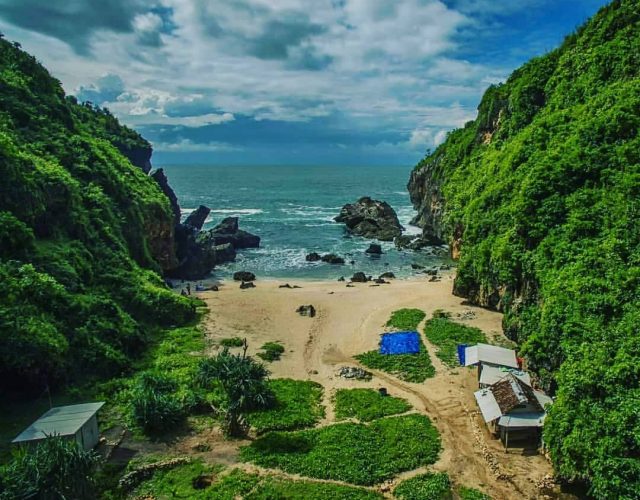
Despite its modest size, Pantai Wohkudu boasts pristine white sand that creates a striking contrast with the verdant limestone cliffs that encircle it. The intimate scale of the beach, coupled with its relatively low visitor numbers compared to more popular destinations, cultivates a profound sense of privacy, making it feel akin to having one’s own personal beach.
During low tide, the rocky areas along the shore become accessible, revealing a vibrant ecosystem where visitors can observe crabs, snails, starfish, and sea urchins. The eastern side of the beach is also a favored spot for local anglers, who frequently report successful catches of fresh lobster.
The sunset at Pantai Wohkudu is a particularly sought-after spectacle, with the dramatic silhouettes of the twin cliffs framing the descending sun, creating a breathtaking and atmospheric scene for photographers and travelers alike. The interplay of the high cliffs, the white sand, and the open sea provides an aesthetically rich backdrop for capturing stunning photographs, making it a popular choice for those looking to enhance their social media feeds with picturesque images of Pantai Wohkudu.
A crucial note of caution for visitors: swimming in Pantai Wohkudu is not recommended. The waves can be powerful, and the seabed is rocky, posing potential hazards. It is advisable to enjoy the scenery from the shoreline or wade in the shallow areas.
Facilities and Visitor Feedback
While Pantai Wohkudu was historically characterized by a lack of facilities, its infrastructure has seen gradual improvements. Visitors can now typically find basic toilets, a prayer room (mushola), a guarded parking area managed by local residents, and a few small food stalls offering light snacks and meals like fried rice. However, expectations should remain tempered; the facilities are not comparable to those found at larger, more established beaches such as Baron or Indrayanti. Carrying personal provisions, including food and drinking water, remains the safest approach, regardless of the facilities available upon arrival.
Visitor reviews consistently highlight the tranquil, natural, and uncrowded ambiance of Pantai Wohkudu. The most frequently mentioned drawbacks pertain to the challenging trekking path, particularly in wet conditions, and the limited amenities when contrasted with more renowned tourist beaches.
Practical Recommendations for a Smooth Visit
To ensure a more seamless and enjoyable experience at Pantai Wohkudu, consider the following practical tips:
- Navigation: The directional signs leading to the beach can be small and easily missed, especially after the Panggang intersection. Reduce your speed and pay close attention to all road signs encountered along the route.
- Lighting: Given the limited facilities, especially after sunset, it is highly recommended to bring your own lighting source, such as a flashlight or headlamp, if you plan to camp overnight.
- Provisions: Do not overly rely on the local stalls for meals, as their availability and operating hours can fluctuate. It is far safer to pack an adequate supply of food and beverages.
- Fishing: For those intending to fish for lobster from the eastern cliffs, bring your own fishing gear, as there are no rental services available.
- Return Journey: Be aware that the return trek from the beach to the parking area is physically more demanding than the descent. The 500-600 meter downhill path transforms into a steep uphill climb. Conserve your energy and avoid depleting it entirely during photo sessions upon arrival.
- Cliff Safety: Accessing the cliffs for photography or fishing requires extreme caution. The paths are narrow, steep, and can be slippery, especially after rain or in the morning dew. Only attempt these routes if you have prior experience with challenging terrain or climbing.
- Environmental Responsibility: It is imperative to bring your own trash bags and ensure that you leave no waste behind. Preserving the pristine condition of Pantai Wohkudu is a shared responsibility for future visitors.
Pantai Wohkudu is not a destination for those seeking opulence or comprehensive facilities. Its charm lies precisely in its limitations: the challenging access and its remarkably unspoiled natural state. For individuals yearning for a private seaside camping experience or a peaceful retreat from urban life, Pantai Wohkudu is a compelling addition to any itinerary for a trip to Gunungkidul. Adequate physical preparation, packing essential supplies, and embracing the opportunity to witness the iconic sunset between its guardian cliffs are key to unlocking the full magic of this unique coastal sanctuary.