Pantai Wohkudu, nestled within the rugged southern coastline of Gunungkidul, Yogyakarta, offers a starkly contrasting experience to its more frequented counterparts. This secluded gem, characterized by its lack of mobile signal, provides an unparalleled opportunity for digital detox and genuine connection with nature. Situated in Padukuhan Wiloso, Desa Girikarto, Kecamatan Panggang, Kabupaten Gunungkidul, the beach is not easily accessible, requiring visitors to embark on a moderate trek, further preserving its tranquil ambiance. The journey itself, involving a walk along a rocky path flanked by dense vegetation, deters casual crowds, ensuring that those who arrive are rewarded with a sense of discovery and a private slice of paradise.
The Allure of Isolation: Embracing the Signal Blackout
The most striking characteristic of Pantai Wohkudu, and perhaps its greatest draw for those seeking respite from the modern world, is its complete absence of mobile network coverage. As visitors approach the area, particularly as they traverse the surrounding cliffs and hills, their smartphones render themselves useless, displaying a stark lack of signal bars. While this might initially evoke a sense of unease for some, it is precisely this digital disconnect that allows the true essence of Pantai Wohkudu to unfold. The silence, broken only by the rhythmic crashing of waves and the calls of seabirds, creates an atmosphere of profound peace. Arriving in the early morning hours, especially on weekdays, amplifies this serenity, as the beach remains virtually deserted. The towering cliffs that encircle the cove act as natural barriers, shielding the beach from the immediate vicinity of settlements and external noise. This isolation fosters a mental clarity, a welcome respite from the incessant stream of notifications that often dominate daily life.
Discovering a Hidden Gem: The Journey to Wohkudu
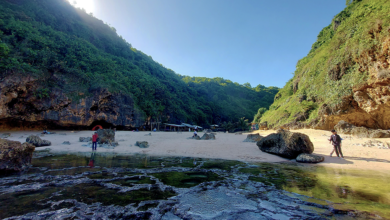
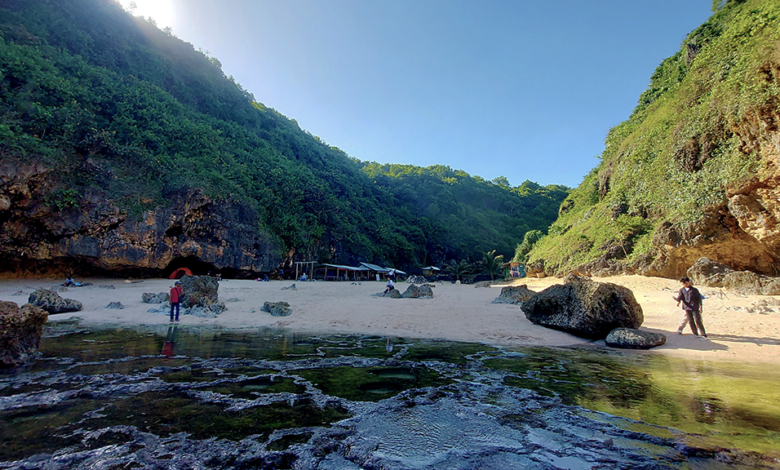
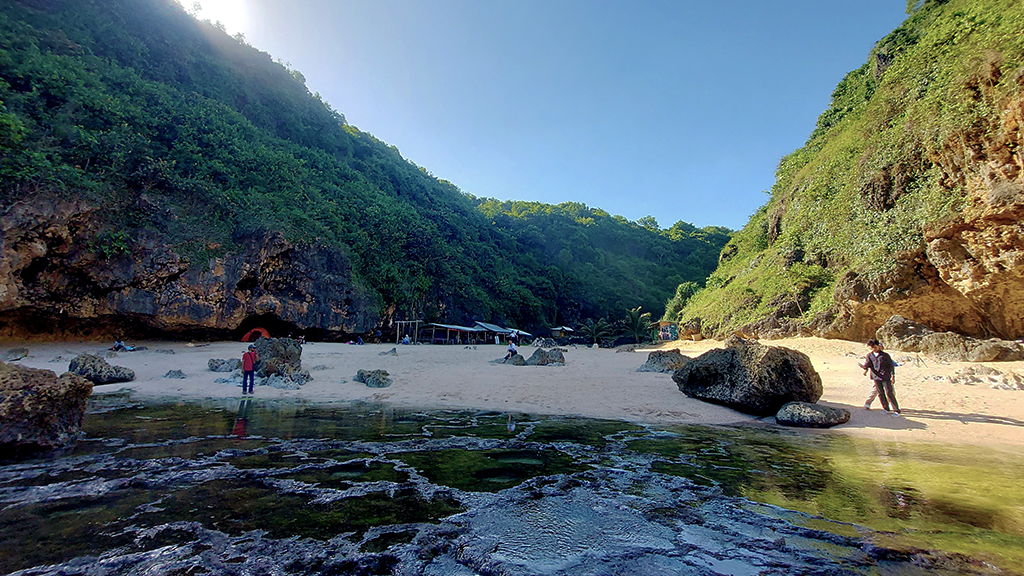
For travelers weary of the bustling weekend crowds at more popular Yogyakarta beaches, Pantai Wohkudu presents itself as an essential addition to their itinerary. Its hidden nature means it is not a destination stumbled upon by chance; it requires a deliberate effort to reach. The initial trek, often described as a challenging yet rewarding walk along a rocky trail, leads to a breathtaking reveal: a stretch of pristine white sand framed by two imposing rocky cliffs. This dramatic geological formation creates an intimate cove, making visitors feel as though they have stumbled upon their own private beach, a sanctuary yet to be discovered by the masses.
Geographical Context and Unique Characteristics
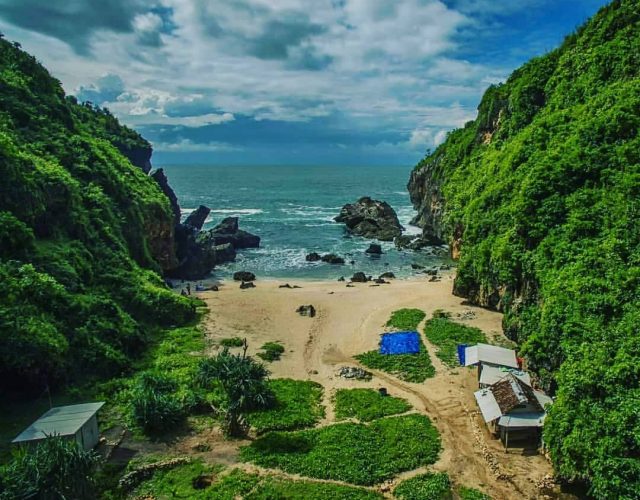
Pantai Wohkudu’s precise location within the southern coastal region of Gunungkidul is key to understanding its appeal. This area is renowned for its abundance of undiscovered beaches and secluded bays, a testament to the raw, untamed beauty of the Javanese coastline. Rather than a long, sweeping shoreline, Pantai Wohkudu is more accurately described as a small cove, with a beach frontage measuring a mere 20 to 25 meters. This intimate scale is amplified by the dramatic presence of two approximately 20-meter-high rock cliffs that flank the beach. These natural sentinels not only define the cove’s boundaries but also imbue it with a distinct character, setting it apart from the broader, more open beaches found elsewhere in Gunungkidul. The dramatic interplay between the towering cliffs, the fine white sand, and the turquoise waters of the Indian Ocean creates a picturesque and unforgettable landscape.
Proximity to Other Attractions: A Complementary Experience
For those exploring the coastal wonders of Gunungkidul, Pantai Wohkudu offers a unique complementary experience when paired with its nearby neighbor, Pantai Kesirat, also known as Tanjung Kesirat. The two beaches are a mere 1 to 3 kilometers apart, making them easily combinable into a single day trip. Pantai Kesirat, while more accessible and generally more popular, offers a different kind of charm, often favored for relaxed afternoon visits. By visiting both, travelers can experience the distinct personalities of two distinct coastal environments within a short span. The contrast between the relative bustle of Kesirat and the profound solitude of Wohkudu allows for a comprehensive appreciation of the diverse beauty of the region. This dual-destination approach is a popular strategy for tourists seeking to maximize their exploration and gain a richer understanding of the local landscape.
Navigating the Path: The Trek to Pantai Wohkudu
The journey to Pantai Wohkudu is an integral part of its appeal, presenting a physical challenge that filters out casual visitors and enhances the sense of accomplishment for those who persevere. The access route can be broadly divided into two stages.
The first stage involves navigating a narrow, single-lane asphalt road that winds through the undulating terrain characteristic of Gunungkidul. This road, with its steep ascents and descents, is navigable by both motorcycles and cars, though caution is advised due to the sharp bends and limited lighting, particularly as dusk approaches.
The second stage is where the true adventure begins. Upon reaching the designated parking area, visitors must embark on a trek of approximately 500 to 600 meters to reach the beach itself. This walk, typically taking between 10 to 20 minutes, traverses a rocky, downhill path flanked by dense shrubbery and scattered teak trees. Along this trail, a small intersection with a simple directional signpost may be encountered. Careful attention to these markers is crucial to ensure one does not stray from the correct path.
Travel Time and Logistics from Yogyakarta City
The overall travel time from Yogyakarta city to Pantai Wohkudu varies depending on the starting point and traffic conditions. From the city center, the journey typically takes between 1.5 to 2 hours by car, covering a distance of approximately 42 kilometers.
The Malioboro to Wohkudu Journey: Estimating Travel Duration
For tourists commencing their journey from the iconic Malioboro street, the estimated travel time to Pantai Wohkudu is around 2 to 2.5 hours of driving. This is in addition to the 10 to 20 minutes required for the trek from the parking area to the beach. Therefore, travelers should allocate a total of approximately 2.5 to 3 hours to reach the sands of Wohkudu from Malioboro. The commonly adopted route involves heading towards Panggang via either Jalan Imogiri Barat or Jalan Wonosari. The road conditions in this region are characterized by numerous curves and sharp inclines, necessitating a physically fit traveler and a well-maintained vehicle, with particular attention paid to brakes and tires.
Entrance Fees and Associated Costs
The financial outlay for visiting Pantai Wohkudu is generally considered affordable, particularly for budget-conscious travelers. There are modest entrance fees, parking charges for vehicles, and additional costs for those opting to camp. These fees are significantly lower compared to more developed and popular beaches like Indrayanti or Baron, which often have more extensive facilities and higher management overheads. It is important to note that specific fee amounts are subject to change based on local management policies. Visitors are advised to carry sufficient cash, as electronic payment options may be limited. The most accurate and up-to-date pricing information can be obtained directly from officials at the entrance or parking area upon arrival.
Camping at Pantai Wohkudu: An Unforgettable Experience
Camping is a significant draw for many visitors to Pantai Wohkudu, offering an opportunity to immerse oneself in the natural environment for an extended period. The beach features a relatively flat grassy area just before the shoreline, which serves as an ideal natural campsite. Some adventurous campers also opt to pitch their tents directly on the sandy beach, closer to the water’s edge, to fully experience the soothing sound of the waves throughout the night.
A key advantage of camping at Pantai Wohkudu is the natural protection offered by the flanking cliffs. These geological formations act as windbreaks, providing a degree of shelter from strong gusts that can often disrupt camping experiences at more exposed coastal locations. This natural shield enhances the safety and comfort of tents pitched in the area. For those planning to have a bonfire, it is essential to bring firewood from outside, as it may not be readily available for purchase. The combination of a star-filled night sky and the lullaby of the ocean waves creates a rare and cherished experience that many other beaches struggle to replicate.
Essential Camping Preparations:
For a successful camping trip, meticulous preparation is paramount. Visitors must ensure they bring all necessary camping equipment, including tents, sleeping bags, and cooking utensils, if applicable. Crucially, adequate food and water supplies are essential, as the availability of food stalls in the vicinity is limited and their operating hours can be unpredictable, especially after sunset. Group trips necessitate a clear division of responsibilities, with members designated to bring specific items such as tents or cooking gear to avoid duplication or omissions.
The Natural Beauty and Unique Attractions of Pantai Wohkudu
Despite its compact size, Pantai Wohkudu boasts pristine white sand that creates a striking contrast against the verdant green of the surrounding coral cliffs. The beach’s intimate scale and limited visitor numbers contribute to a palpable sense of privacy and tranquility, fostering the illusion of having a personal stretch of coastline. During low tide, the receding waters reveal fascinating rock pools, offering opportunities to observe marine life such as crabs, snails, starfish, and sea urchins. The eastern side of the beach is particularly noted as a favored fishing spot for local anglers, who often return with impressive catches, including fresh lobsters.
The panoramic sunset viewed between the two towering cliffs is a particularly sought-after spectacle, attracting photographers and casual travelers alike. The silhouetted cliffs lend a dramatic and atmospheric quality to the scene, enhancing the visual appeal. The juxtaposition of the high cliffs, the white sand, and the vast expanse of the ocean also makes Pantai Wohkudu a popular location for capturing aesthetically pleasing photographs, perfect for social media feeds.
Safety Advisory: Swimming Precautions
A critical safety note for visitors is to exercise extreme caution if considering swimming at Pantai Wohkudu. The waves can be quite powerful, and the seabed is characterized by rocks, making it potentially hazardous for swimming. It is generally advisable to enjoy the scenery from the shoreline or to wade in the shallow areas where the water is calmer.
Facilities and Visitor Feedback
Historically, Pantai Wohkudu was characterized by a scarcity of facilities. However, over time, improvements have been made. Currently, visitors can typically find basic amenities such as simple toilets, a prayer room (mushola), a managed parking area overseen by local residents, and a few small food stalls offering snacks and simple meals like fried rice. Nevertheless, expectations should be managed, as these facilities do not rival the comprehensive offerings found at larger, more established beaches like Baron or Indrayanti. Therefore, carrying personal provisions, including food and beverages, remains a prudent recommendation, regardless of the available facilities.
Visitor reviews generally highlight the beach’s serene, natural, and uncrowded atmosphere as its primary strengths. The most common criticisms tend to relate to the challenging trekking path, especially during wet conditions, and the limited facilities compared to more well-known tourist destinations.
Practical Tips for an Enhanced Visit
To ensure a smoother and more enjoyable experience at Pantai Wohkudu, consider the following practical advice:
- Navigation: The directional signs leading to the beach can be small and easily missed, particularly after the intersection near Panggang. Drive slowly and pay close attention to all road signs encountered.
- Evening and Overnight Stays: Given the limited facilities and potentially unpredictable operating hours of local stalls after sunset, it is highly recommended to bring your own lighting sources, such as flashlights or headlamps, especially if planning to camp overnight.
- Food and Provisions: Relying solely on local warungs for meals is not advisable. It is best to pack sufficient food and water supplies to ensure you are adequately catered for throughout your visit.
- Fishing: For those interested in fishing from the eastern cliffs, known for lobster catches, bringing your own fishing gear is necessary, as there are no rental services available.
- Return Trek: Be mindful that the return journey from the beach to the parking area involves an uphill climb, as the 500-600 meter downhill trail becomes a challenging ascent. Conserve energy and avoid exhausting yourself with extensive photo sessions upon arrival.
- Cliff Exploration: Accessing the cliffs for photography or fishing can be treacherous. The paths are narrow, steep, and can be slippery, especially after rain or in the early morning dew. Only attempt this if you have prior experience with challenging terrain.
- Environmental Responsibility: Carry your own trash bags and ensure you leave no waste behind. Preserving the pristine condition of Pantai Wohkudu is crucial for its continued appeal and ecological health.
Pantai Wohkudu is not a destination for those seeking luxury or an abundance of amenities. Its charm lies precisely in its limitations, its challenging access, and its remarkably unspoiled natural state. For travelers yearning for a private seaside camping experience or simply a tranquil escape from urban clamor, Pantai Wohkudu undoubtedly merits a place on any itinerary for a trip to Gunungkidul. Preparing physically, packing essential supplies, and embracing the simplicity of this secluded cove will allow visitors to truly savor the iconic sunset framed by its distinctive cliffs, a signature experience of this remarkable small beach.