Navigating the Future of Indonesia’s Renewable Energy Sector Challenges and Opportunities for Arkora Hydro Tbk

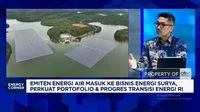
The landscape of Indonesia’s energy transition is currently undergoing a pivotal transformation, marked by an aggressive push toward renewable sources such as hydropower and solar energy. However, despite the ambitious national goal of achieving net-zero emissions by 2060, industry players face systemic hurdles. Aldo Artoko, President Director of PT Arkora Hydro Tbk (ARKO), recently highlighted that the expansion of renewable energy business models remains tethered to complex financing frameworks and infrastructural constraints. As the nation pivots away from coal-dependence, the dialogue surrounding the viability of small-to-medium-scale renewable projects has become increasingly urgent, particularly as private firms seek to align their growth trajectories with national energy security agendas.
The Financial Landscape of Renewable Energy Expansion
At the core of the current debate is the mechanism for project financing. For many independent power producers (IPPs) like Arkora Hydro, the Power Purchase Agreement (PPA) with the state-owned electricity company, PT PLN (Persero), serves as the bedrock of project bankability. These long-term contracts are essential for securing the capital required for the high upfront costs associated with renewable energy infrastructure.
However, Aldo Artoko notes that the reliance on PPA structures creates a bottleneck. While these agreements provide the necessary revenue security to satisfy lenders, the administrative and negotiation processes can often be protracted. For smaller renewable projects, the time elapsed between initial project design and the final signing of a PPA can span several years, potentially impacting the internal rate of return (IRR) and increasing the exposure to fluctuating interest rates. In the current global economic climate, characterized by elevated capital costs, this delay represents a significant risk for developers looking to scale operations rapidly.
Infrastructure and Land Acquisition: The Solar Energy Dilemma
While hydropower projects rely on topographical suitability and water flow management, the development of solar photovoltaic (PV) power plants faces a different set of hurdles. Aldo Artoko emphasized that the availability of expansive land remains a primary challenge for large-scale solar deployment in Indonesia. Unlike countries with vast, sparsely populated desert regions, Indonesia’s geography often pits solar energy development against agricultural land use and forestry conservation efforts.
Furthermore, the integration of solar power into the national grid brings the challenge of intermittency. As Indonesia scales its solar capacity, the necessity for robust energy storage systems becomes paramount. Battery Energy Storage Systems (BESS) are critical to maintaining grid stability when solar irradiance fluctuates. Yet, the current infrastructure for utility-scale storage remains in its nascent stages. The integration costs associated with BESS often escalate the total project cost, requiring a more sophisticated pricing structure in PPA negotiations to ensure the projects remain financially sustainable.
Chronology of the Energy Transition Policy
The journey toward a sustainable energy mix in Indonesia has been marked by several legislative milestones. In 2014, the government introduced the National Energy Policy (KEN), which set a target of 23% of renewable energy in the primary energy mix by 2025. Following this, the issuance of Presidential Regulation (Perpres) No. 112 of 2022 on the Acceleration of Renewable Energy Development for Electricity Supply marked a significant shift. This regulation provided a clearer framework for the procurement of renewable energy, including the removal of the ceiling price for certain technologies, which was intended to make renewable projects more attractive to investors.
However, despite these policy improvements, market participants point out that the implementation phase is where the "friction" occurs. The transition has moved from a period of early-stage policy drafting to a phase of execution where technical and financial realities meet bureaucratic processes. Companies like Arkora Hydro have been at the forefront of this transition, operating small-to-medium hydropower plants that serve as a baseload for local grids, effectively proving that decentralized renewable power is a viable alternative to diesel-fired generators in remote areas.
Supporting Data: The Renewable Energy Potential
Indonesia possesses one of the most significant renewable energy potentials in Southeast Asia. According to data from the Ministry of Energy and Mineral Resources (ESDM), the country’s total renewable energy potential exceeds 3,600 gigawatts (GW). This potential is largely untapped, with solar energy contributing the majority at approximately 3,294 GW, followed by wind, hydro, bioenergy, and geothermal.
Despite this immense potential, current installed capacity remains modest. As of the end of 2023, the share of renewable energy in the national electricity mix stood at roughly 13%, indicating a significant gap to be bridged to meet the 2025 target of 23%. The financial investment required to close this gap is estimated in the hundreds of billions of dollars. This reality underpins the urgency expressed by industry leaders regarding the need for innovative financing mechanisms, such as green bonds, transition finance, and carbon credit monetization, to supplement traditional bank lending.
Official Responses and Industry Outlook
The government’s response to these challenges has been multifaceted. PT PLN has been actively developing the "Green RUPTL" (Electricity Supply Business Plan), which prioritizes renewable projects and aims to retire coal-fired power plants earlier than scheduled. Industry analysts suggest that while these goals are commendable, the collaboration between the government, the state utility, and private developers must evolve.
From the perspective of ARKO’s leadership, the outlook remains positive despite the hurdles. The alignment of company objectives with the government’s "Energy Self-Sufficiency" program creates a favorable environment for growth. The internal logic is that as the cost of renewable technology continues to decline globally, and as Indonesia’s grid becomes more modernized, the inherent advantages of hydropower—namely its stability and long lifespan—will make it an indispensable part of the energy mix.
Broader Implications for the Indonesian Market
The challenges identified by Aldo Artoko are emblematic of a sector in transition. The broader implications for the Indonesian economy are profound. A successful transition to renewable energy would not only mitigate the risks associated with global fossil fuel price volatility but also position Indonesia as a competitive destination for "green" manufacturing. As international brands move toward decarbonizing their supply chains, the availability of renewable energy will become a key factor in attracting foreign direct investment (FDI).
Furthermore, the development of local expertise in constructing and maintaining hydro and solar projects fosters a domestic industry that can generate high-quality jobs. However, the realization of this vision is contingent upon regulatory clarity. Investors and developers are looking for a stable, predictable, and transparent process for project approval and PPA finalization. The current trend of "de-risking" projects—where the government provides stronger guarantees and streamlined land acquisition processes—will be the deciding factor in whether Indonesia meets its long-term climate targets.
Future Perspectives: Beyond the PPA
Looking ahead, the evolution of the renewable energy sector in Indonesia may move beyond the traditional PPA model. Innovations such as corporate power purchase agreements (CPPAs), where private companies contract directly with renewable energy developers, could emerge as a significant driver of growth. This would allow firms like Arkora Hydro to diversify their client base and move away from a singular reliance on the state utility.
Moreover, the potential for regional power interconnectivity, such as the ASEAN Power Grid, could provide a market for Indonesia’s renewable energy surplus, further enhancing the business case for large-scale hydro and solar investments. As technology advances, particularly in the realm of long-duration energy storage and artificial intelligence-driven grid management, the operational challenges currently hindering expansion may become easier to navigate.
In summary, while the path forward is marked by significant hurdles in finance, land use, and infrastructure, the fundamental trajectory of Indonesia’s energy sector is clear. Companies like PT Arkora Hydro Tbk are operating in a high-stakes environment where the success of their projects is inextricably linked to the success of the national energy transition. The coming years will likely be defined by the ability of stakeholders to harmonize private enterprise with public policy, ensuring that the promise of green energy translates into tangible, sustainable power for the Indonesian economy. The narrative of the next decade will not be about whether the transition is possible, but how quickly the systemic barriers can be dismantled to allow for a rapid and equitable expansion of the renewable landscape.