MrBeast Marries Thea Booysen in Intimate Luxury Ceremony on Richard Branson’s Private Necker Island

Global YouTube phenomenon Jimmy Donaldson, widely known as MrBeast, has officially tied the knot with his long-time girlfriend, Thea Booysen. The couple celebrated their union in a lavish yet intimate week-long affair that commenced on July 14, 2026, culminating in a picturesque ceremony on Necker Island, the exclusive private retreat owned by billionaire Sir Richard Branson in the British Virgin Islands. The joyous announcement, shared by Donaldson on his Instagram, has captivated millions of fans worldwide, marking a significant personal milestone for one of the internet’s most influential figures. This highly anticipated event, a rare glimpse into the usually private life of the digital superstar, underscores the evolving landscape of celebrity culture where online personalities command global attention comparable to traditional entertainers.
The Nuptials on Necker Island: A Week of Elegance and Exclusivity
The wedding festivities, spanning several days, offered guests an unparalleled experience of luxury and Caribbean charm. Necker Island, renowned for its pristine natural beauty and commitment to sustainability, provided a stunning backdrop for the couple’s special occasion. The choice of venue itself speaks volumes about the desire for privacy and exclusivity, a characteristic often sought by high-profile personalities. Guests were reportedly treated to a curated array of activities designed to immerse them in the island’s unique offerings. Beyond the main ceremony, attendees had the opportunity to partake in adventurous pursuits such as snorkeling in crystal-clear waters, exhilarating kitesurfing sessions across the turquoise lagoons, and unique interactions with the island’s diverse wildlife, including its resident lemurs and flamingos. These activities embodied the spirit of relaxed luxury synonymous with Necker Island, creating an immersive experience for all present. The week-long celebration allowed the couple to extend their joy, sharing quality time with their closest family and friends in a truly magnificent setting, far from the intense public glare that often accompanies MrBeast’s every move. This extended celebration format is a growing trend among affluent individuals and celebrities, allowing for a more relaxed and immersive experience for both the couple and their guests, fostering deeper connections and creating lasting memories beyond a single day’s event. The meticulous planning involved in coordinating such an elaborate, multi-day affair on a remote private island highlights the couple’s dedication to creating an unforgettable experience.
A Vision in White: Bridal Attire and Aesthetic Harmony
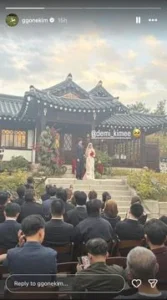
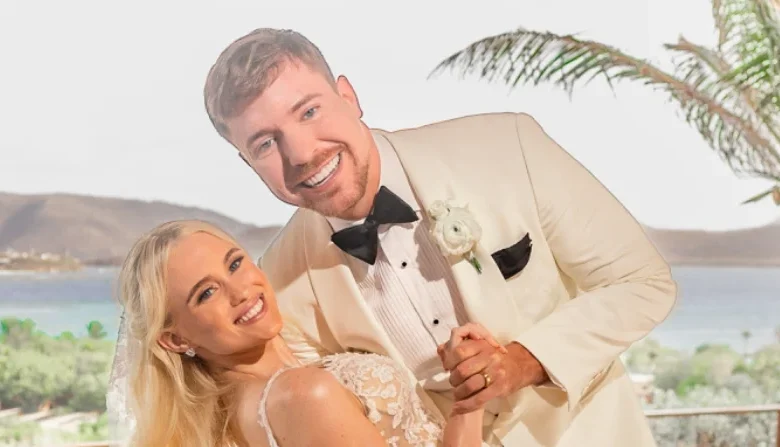
For the main ceremony, MrBeast and Thea Booysen opted for a classic and elegant aesthetic, with both bride and groom adorned in exquisite white ensembles. Thea Booysen looked resplendent in a custom-designed white gown by the esteemed couture house Nicole + Felicia Couture. Her dress featured a sophisticated fit-and-flare silhouette, gracefully following the contours of her body down to the hips before fanning out into a dramatic, flowing skirt. The gown was intricately embellished with delicate lace motifs, lending an air of ethereal beauty. Notably, sections of the lace appeared subtly sheer on the lower half, adding a contemporary and alluring touch to the traditional bridal look while maintaining an overall sense of refined modesty. Her choice of a gown that blended classic elegance with modern detailing perfectly complemented the serene island environment, reflecting both her personal style and the relaxed luxury of the venue.
Jimmy Donaldson, the groom, matched his bride’s sartorial elegance in a sharp white tuxedo from the iconic American designer Ralph Lauren. His choice reflected a timeless sophistication, ensuring he looked every bit the dashing groom alongside his radiant bride. The overall visual harmony of their attire against the verdant island backdrop and the shimmering Caribbean Sea created a truly memorable scene for their vows. The minimalist yet impactful decoration of the wedding venue further enhanced this aesthetic. White flowers, arranged with understated elegance and natural charm, lined the aisle, guiding the couple towards their vows and creating a path of pure, pristine beauty. This cohesive visual theme underscored a refined taste and a desire for a celebration that felt both grand and deeply personal, emphasizing the purity and joy of their union. The attention to detail, from the floral arrangements to the lighting, contributed to an atmosphere of sophisticated intimacy.
The Journey to the Altar: From Digital Stardom to Personal Milestones
Jimmy Donaldson, known universally as MrBeast, has transcended the traditional boundaries of online content creation to become a global entertainment icon. With an astounding subscriber count that continues to climb, projected to be well over 300 million by mid-2026 across his various channels, he is not just a YouTuber but a philanthropic force and a groundbreaking entrepreneur. His career, built on high-stakes challenges, elaborate stunts, and significant charitable endeavors—such as planting millions of trees or funding cataract surgeries—has redefined digital entertainment and audience engagement. This wedding marks a rare glimpse into the personal life of a creator who typically prioritizes his monumental projects and often keeps his private affairs out of the intense public spotlight, preferring to focus attention on his content and charitable initiatives.
Thea Booysen, a prominent figure in her own right, is a professional gamer and streamer, known for her engaging content and vibrant personality within the esports community. Her background in competitive gaming and her articulate presence online have garnered her a significant following, making her a formidable personality alongside Donaldson. Their relationship, which garnered public attention in early 2022, has been a quiet but steady presence amidst the whirlwind of MrBeast’s public career. The couple’s decision to share this joyous occasion, albeit selectively through social media, signifies a step towards integrating their personal happiness with their public personas, offering fans a deeper connection to the man behind the viral videos. Their union represents a convergence of two worlds: the high-octane, public-facing realm of MrBeast and the more focused, community-driven sphere of competitive gaming and streaming. This blend of backgrounds creates a unique power couple within the digital entertainment space, embodying the modern evolution of celebrity.
The Allure of Necker Island: A Billionaire’s Paradise
Sir Richard Branson’s Necker Island is not merely a luxury resort; it is an embodiment of opulence, environmental consciousness, and unparalleled privacy. Purchased by Branson in 1978 for a reported $180,000, the 74-acre island has been transformed into a world-class retreat, often hosting celebrities, dignitaries, and exclusive events. Its selection as the wedding venue for MrBeast and Thea highlights its appeal for those seeking both grandeur and discretion, a crucial factor for personalities of their caliber. The island’s commitment to sustainability, powered largely by renewable energy sources and dedicated to wildlife conservation, may also resonate with MrBeast’s known philanthropic spirit and desire to make a positive impact on the world. This alignment of values potentially added another layer of meaning to their choice of venue.
The facilities on Necker Island are designed to offer an immersive experience, from its Balinese-style villas and Great House to its diverse recreational opportunities including private beaches, tennis courts, and a state-of-the-art spa. Hosting a wedding here involves meticulous planning and a substantial investment, reflecting the couple’s desire for a truly bespoke and memorable event. Rental costs for the entire island can range significantly, often exceeding $100,000 per night, underscoring the exclusivity of the chosen setting. The high staff-to-guest ratio ensures personalized service, and the island’s isolation guarantees an uninterrupted celebration, allowing the couple and their guests to fully unwind and enjoy the week-long festivities without external distractions. This level of privacy is a premium commodity for figures constantly in the public eye.
Post-Ceremony Celebrations: Fashion Beyond the Aisle
The celebrations extended beyond the formal ceremony, with Thea Booysen showcasing a range of stunning, yet more relaxed, bridal looks that captured the essence of an island paradise. For an intimate dinner held by the beachfront with family and close friends, Thea opted for a soft, natural makeup palette. This choice ensured her beauty shone through without overpowering her features, maintaining an effortless elegance that perfectly suited the casual yet sophisticated setting of a sunset dinner by the sea. The natural glow complemented her radiant happiness, proving that sometimes less is truly more when it comes to bridal beauty, especially in a natural, outdoor environment.
In subsequent celebrations, as the week progressed and the atmosphere became more relaxed, the couple transitioned into lighter, more casual attire. MrBeast was seen in a crisp white short-sleeved shirt, embodying a relaxed island vibe perfectly suited for the tropical climate. Thea, mirroring his relaxed aesthetic, wore a chic white strapless mini-dress, perfect for the warm Caribbean evenings and designed for comfort and style. She later changed into another distinct white ensemble, a stylish off-the-shoulder mini-dress, allowing her blonde hair to fall naturally in soft waves, enhancing her effortless and free-spirited appearance. These sartorial choices underscored the week-long nature of the celebration, allowing for different moods and activities, from formal vows to relaxed gatherings, each accompanied by appropriate and stylish fashion. This trend of multiple bridal outfits, evolving from traditional ceremony wear to more relaxed looks for reception and subsequent events, is increasingly popular among modern brides, offering versatility and expressing different facets of their style throughout the celebratory period. The curated wardrobe reflected a keen understanding of both fashion and functionality for a multi-day, destination wedding.
The Digital Footprint: Fan Reactions and Media Resonance
MrBeast’s announcement on Instagram immediately sparked a global outpouring of congratulations and well wishes from his colossal fanbase. The news quickly became a trending topic across various social media platforms, with fans celebrating this rare personal insight into the life of their idol. The comments section of his post was flooded with messages of support, reflecting the deep connection and loyalty his audience feels towards him. This event serves as a powerful reminder of the unique relationship digital creators have with their followers, where personal milestones are often met with the same enthusiasm as their professional achievements. Fan engagement, typically measured in millions of likes and hundreds of thousands of comments, indicated a significant emotional investment from his audience.
Mainstream media outlets worldwide also picked up the story, highlighting the crossover appeal of MrBeast from the digital realm to traditional celebrity culture. The wedding is not just a personal event but a cultural moment, illustrating the continued rise of internet personalities into the echelons of global stardom, where their life events garner as much attention as those of Hollywood actors or pop stars. Publications from entertainment news sites to financial journals covered the nuptials, acknowledging the immense influence and reach of the MrBeast brand. The overwhelmingly positive reception underscores the public’s appreciation for MrBeast’s work and his decision to share this significant life event with them, further cementing his status as a beloved public figure.
Broader Implications: Redefining Celebrity and Influence
The marriage of MrBeast and Thea Booysen carries implications beyond a simple celebrity wedding. It further solidifies the position of digital content creators as legitimate global celebrities, whose personal lives, like their professional endeavors, are subjects of widespread public interest. This event highlights the evolving landscape of influence, where authenticity and direct engagement cultivated on platforms like YouTube and Instagram can translate into a massive, loyal following comparable to, if not surpassing, that of traditional media figures. The choice of a private island, typically associated with established moguls and movie stars, for a digital creator’s wedding also signals a significant shift in status and wealth within the entertainment industry. It demonstrates the immense financial success and cultural capital accumulated by top-tier YouTubers, who are now capable of affording and orchestrating events of this magnitude.
Furthermore, the meticulously planned, week-long celebration on an exclusive island underscores a growing trend in high-profile weddings towards experiential events, prioritizing unique guest experiences and extended celebrations over a single, condensed ceremony. This approach allows for deeper immersion and interaction, reflecting a desire to create not just a wedding, but a memorable retreat for their closest circle. The event also subtly impacts MrBeast’s brand, showcasing a more personal, mature, and aspirational side to his persona, potentially broadening his appeal beyond his core demographic of younger viewers. It suggests a balance between his high-octane public projects and a grounded private life.
A New Chapter for the Digital Power Couple
As MrBeast and Thea Booysen embark on this new chapter of their lives, their union symbolizes more than just a personal commitment. It represents the growing maturity and mainstream acceptance of the digital entertainment industry. Their wedding, a blend of traditional elegance and modern celebrity, sets a precedent for how internet personalities navigate their public and private lives, balancing immense public interest with a desire for personal intimacy and a high standard of living. The global community eagerly awaits to see how this new phase influences MrBeast’s future projects and how their combined influence continues to shape the digital landscape. Their story, from YouTube challenges and professional gaming to marital bliss on a private island, serves as a testament to the extraordinary journey of modern-day icons who have redefined what it means to be famous in the 21st century.