
Mitos dan Fakta Seputar Eksim: Dokter Kulit Ungkap Kesalahpahaman Umum dan Panduan Perawatan Medis

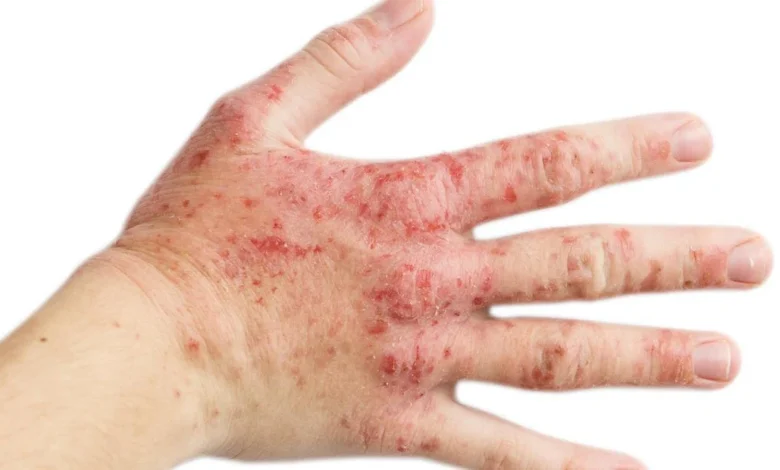
Jakarta — Atopic dermatitis, commonly known as eczema, remains one of the most widely misunderstood chronic inflammatory skin conditions affecting millions of individuals globally and domestically. In public discourse, this dermatological disorder is frequently surrounded by pervasive myths, ranging from unfounded fears of contagion through physical contact to overly restrictive dietary restrictions and deep-seated anxieties regarding the medical use of topical corticosteroids. However, medical science dictates that a significant portion of these widespread beliefs lacks clinical validity.
Addressing these misconceptions during a recent media gathering titled Beyond the Flare, Every Skin Has a Story held at the ERHA Center Iskandarsyah in Jakarta, dermatology specialist Dr. Tomi Nugraha, Sp.DVE, provided a comprehensive breakdown of clinical realities associated with eczema. He emphasized that effective management requires personalized care tailored to individual patient profiles rather than generalized assumptions. The event served as an educational platform for medical professionals to dispel lingering stigmas, alleviate patient anxieties, and outline evidence-based approaches to managing flare-ups while maintaining long-term skin barrier health.
Understanding the Clinical Reality of Eczema and Atopy
To comprehend why eczema is so frequently mischaracterized, one must examine its underlying pathophysiology. Eczema is fundamentally linked to atopy—a genetic predisposition characterized by an immune system hypersensitivity that leads to allergic conditions such as asthma, allergic rhinitis, and atopic dermatitis. This hereditary predisposition means that if parents possess atopic tendencies, their offspring inherit a heightened statistical probability of developing similar sensitivities, though this does not guarantee an absolute clinical diagnosis of eczema in every generation.
Despite the hereditary nature of atopy, the condition is strictly non-communicable. A persistent myth within many communities is that skin lesions, redness, and flaking associated with eczema can be transmitted to healthy individuals through physical touch, sharing personal items, or swimming in communal pools. Dr. Tomi explicitly refuted this notion, reiterating that eczema involves no infectious agents, bacteria, or viruses that can jump from one person to another.
"Eczema or atopic dermatitis is not contagious at all," Dr. Tomi stated firmly during the event. This distinction is critical for public health education, as unwarranted social stigmatization and isolation of eczema sufferers frequently exacerbate the psychological distress already experienced by patients dealing with chronic physical discomfort.
Navigating Dietary Restrictions and Allergen Identification
Another prominent area of confusion among patients and caregivers involves dietary management. It is a common societal reflex to immediately eliminate major food groups—such as dairy, eggs, seafood, or nuts—the moment an eczema diagnosis is confirmed. However, medical guidelines suggest a more measured, diagnostic approach.
While certain foods can act as triggers for specific individuals who possess true food allergies, imposing sweeping dietary restrictions without clinical verification can lead to nutritional deficiencies, particularly in growing children. Dr. Tomi stressed that blanket food avoidance should be avoided unless diagnostic testing confirms an adverse immunological reaction to a specific ingredient.
Comprehensive allergy testing, ranging from skin prick tests to specific IgE blood tests, should be conducted under the supervision of a qualified dermatologist or allergist. Once an authentic trigger is identified through systematic clinical evaluation, that specific item can be safely restricted from the patient’s diet. Consequently, patients without underlying food allergies do not need to subject themselves to restrictive eating habits simply because they suffer from atopic dermatitis.
The Myth of Complete Cure Versus Chronic Condition Control
A frequent emotional hurdle for patients is managing expectations regarding the long-term trajectory of the disease. When a patient undergoes successful treatment, resulting in skin that appears clear, smooth, and free of intense pruritus (itching), many assume the condition has been permanently cured.
Dermatologically speaking, atopic dermatitis is a chronic, relapsing-remitting inflammatory skin disorder. Dr. Tomi explained that a temporary absence of symptoms does not equate to a total cure. The underlying vulnerability of the skin barrier persists, meaning flare-ups can be triggered anew when the patient encounters environmental stressors, irritants, or allergens.
Therefore, treatment strategies must shift from seeking a permanent cure to achieving long-term disease control and barrier maintenance. Even during periods of remission, continuous skin care regimens involving appropriate emollients, moisturizers, and avoidance of known triggers are essential.
"When the condition is controlled, I never tell a patient that their eczema is cured," Dr. Tomi clarified. "I prefer to say that the condition is controlled and that the skin must be continuously maintained so that it does not flare up again." This psychological framing helps patients remain vigilant with their daily skincare routines, reducing the frequency and severity of future flare-ups.
The Role and Responsible Use of Corticosteroids in Dermatological Care
Perhaps one of the most controversial topics in eczema management is the use of topical corticosteroids. In recent years, public apprehension regarding topical steroid withdrawal and perceived systemic side effects has led many patients to reject prescribed steroid treatments entirely, opting instead for unverified alternative remedies or suffering through severe inflammation.
Medical experts emphasize that topical corticosteroids remain a cornerstone therapy for reducing acute inflammation during eczema flare-ups. The danger does not lie in the medication itself, but rather in its improper application. Problems arise when steroids are used indiscriminately, purchased without a prescription, or applied continuously over extended periods without professional medical oversight.
Dr. Tomi highlighted that successful treatment relies on precision medicine. The choice of medication potency, specific chemical formulation, appropriate dosage, application frequency, and duration of use must be meticulously tailored to the patient’s age, lesion location, and severity of inflammation. Furthermore, a proper dermatological prescription always includes a clear tapering-off plan, dictating when and how to reduce the dosage or discontinue the medication safely once inflammation subsides, thereby preventing rebound effects and localized skin thinning.
Personalized Treatment Versus One-Size-Fits-All Approaches
A recurring theme in modern dermatology is the abandonment of generalized treatment templates in favor of personalized medicine. Eczema manifests differently in every individual. Two patients diagnosed with atopic dermatitis may exhibit completely different clinical presentations, trigger factors, and responses to therapeutic agents.
Dr. Tomi underscored that there is no universal rule or standard protocol that can be indiscriminately applied to all eczema sufferers. For instance, bathing protocols, water temperature, soap selections, and moisturizer types that work exceptionally well for one child may cause irritation or exacerbate dryness in another.
"You cannot make a single rule for all eczema sufferers. For example, if child A is allowed to bathe in a certain way, it does not necessarily mean another child’s condition is the same. Everything must be adjusted to the individual condition of each eczema patient," Dr. Tomi explained.
Identifying individual triggers remains a paramount objective in clinical management. By utilizing detailed patient histories, lifestyle assessments, and diagnostic testing, clinicians can help patients pinpoint their unique environmental, chemical, or dietary triggers. Once identified, these specific triggers can be systematically avoided, sparing the patient from unnecessary and overly burdensome lifestyle restrictions that do not contribute to their specific healing process.
Broader Implications for Public Health and Patient Education
The dissemination of accurate medical information regarding atopic dermatitis carries significant public health implications. Misinformation often leads to delayed medical intervention, inappropriate self-medication, financial expenditure on unverified commercial products, and severe psychological burdens, including anxiety, depression, and social stigmatization among pediatric and adult populations alike.
Healthcare institutions, pharmaceutical stakeholders, and dermatology centers play a crucial role in bridging the knowledge gap. Events such as the educational forum at ERHA Center Iskandarsyah represent proactive measures to engage media outlets, patients, and the broader community in constructive dialogues rooted in scientific evidence.
As the prevalence of allergic and inflammatory skin diseases continues to be influenced by environmental changes, urbanization, and lifestyle factors, public health frameworks must prioritize dermatological education. Empowering patients with accurate knowledge regarding skin barrier preservation, the safe application of medical treatments, and the realities of chronic disease management fosters better health outcomes, improves quality of life, and dismantles the social prejudices historically associated with chronic skin conditions.
Related posts: