Nam Joo-hyuk Reflects on the Enduring Heartbreak of "Twenty Five Twenty One" and its Divisive Conclusion

The reverberations of the K-drama "Twenty Five Twenty One" continue to resonate with audiences, particularly concerning its poignant and, for many, heartbreaking conclusion. Years after its initial broadcast, actor Nam Joo-hyuk, who portrayed the character Baek Yi-jin, has offered his perspective on the tragic separation of his character and Na Hee-do, played by Kim Tae-ri, an ending that left a profound mark on its dedicated fanbase.
Nam Joo-hyuk’s Recent Appearance and Candid Remarks
On Thursday, July 16, 2026, Nam Joo-hyuk appeared as a guest on Netflix Korea’s popular web series "Talk Survivor," hosted by Yoo Byung-jae and Jonathan Yiombi. The actor was joined by Roh Yoon-seo to promote their latest collaborative project, the historical drama "The East Palace." During the discussion, Yoo Byung-jae noted that "Twenty Five Twenty One" was a personal favorite of Roh Yoon-seo, prompting Nam Joo-hyuk to reflect on the series that chronicled a love story spanning from 1998 to 2021. His comments provided a rare insight into the actor’s own feelings about a role that became emblematic of a certain kind of bittersweet romance in contemporary K-drama.
Nam Joo-hyuk reminisced about the drama’s aesthetic and setting, stating, "The atmosphere and aesthetics of that era were beautifully captured. It made me incredibly happy to be on set. It felt like taking a trip back in time." This sentiment underscores the drama’s success in not only crafting a compelling narrative but also in evoking a powerful sense of nostalgia for a specific period in Korean history and culture, particularly for viewers who lived through the late 1990s and early 2000s. The drama’s meticulous attention to detail in set design, fashion, and cultural references contributed significantly to its immersive quality, allowing audiences to feel transported alongside the characters.
The Enduring Legacy and Controversial Ending of "Twenty Five Twenty One"
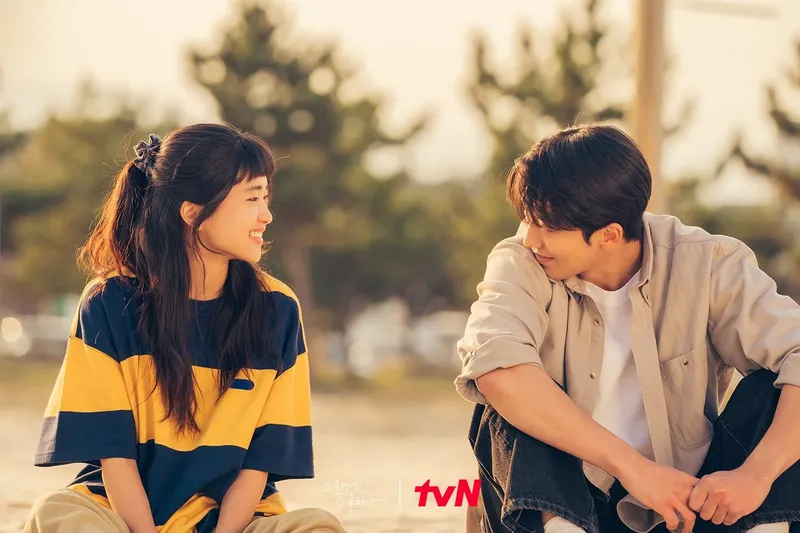
"Twenty Five Twenty One," which originally aired in 2022, captivated audiences worldwide with its intricate storytelling and stellar performances. The drama chronicled the lives of Baek Yi-jin, a young man from a wealthy family whose life is upended by the 1997 Asian financial crisis, forcing him to take on various odd jobs, including working at a comic book store, and Na Hee-do, a passionate and resilient high school fencer with Olympic aspirations. Their journey from chance encounters to deep friendship, mutual support, and eventually, romantic love, resonated deeply with viewers. The series explored themes of youth, ambition, friendship, family, and the harsh realities of growing up and facing societal pressures, all set against the backdrop of significant historical events in South Korea.
However, despite its critical acclaim and initial widespread popularity, the drama’s ending diverged sharply from conventional K-drama romantic tropes, leaving a significant portion of its audience disappointed and, in many cases, heartbroken. The final episodes depicted Baek Yi-jin and Na Hee-do agreeing to end their relationship, which had become increasingly strained and exhausting due to long-distance communication challenges and demanding career paths. Baek Yi-jin, having become a successful reporter based in the United States, felt the immense pressure of his work and was reluctant to burden Na Hee-do with his struggles. Simultaneously, Na Hee-do, striving to become a top-tier fencer and a national team member for Korea, yearned for the consistent presence and support of her partner, a need that was increasingly unmet.
This narrative choice, while lauded by some as a realistic portrayal of relationships succumbing to external pressures and personal growth, was seen by many others as a betrayal of the emotional investment they had made in the couple’s journey. The showrunners, while not directly commenting on the widespread disappointment, likely aimed for a more grounded, true-to-life conclusion, reflecting that not all first loves or intense youthful relationships withstand the test of time and distance, especially when individual aspirations pull partners in different directions. This artistic decision, however, ignited a firestorm of online debate and discussions that continue to this day, making "Twenty Five Twenty One" a benchmark for divisive K-drama endings.
Nam Joo-hyuk’s Lighthearted Take on the Separation
In his recent appearance, Nam Joo-hyuk addressed the tragic separation of Baek Yi-jin and Na Hee-do, attributing it primarily to communication issues and the inherent limitations of a television series format. He responded to the lingering fan grievances with a lighthearted joke, playfully suggesting that the outcome might have been different under different circumstances.
"Perhaps by episode 24, they could have gotten back together," Nam Joo-hyuk quipped, drawing laughter from the hosts and fellow guest. Yoo Byung-jae then inquired about the actual episode count of the drama, to which Nam Joo-hyuk confirmed, "There were 16 episodes." Yoo Byung-jae’s immediate retort, "Ah, that was unavoidable," perfectly encapsulated the general sentiment among fans and critics alike: the constraints of a standard K-drama length often necessitate specific narrative choices, and in this case, a finite number of episodes meant the story had to conclude within those bounds, regardless of audience preference for a prolonged, happier resolution.
This seemingly simple exchange resonated deeply with the K-drama community. Nam Joo-hyuk’s acknowledgment of the fan sentiment, even in jest, provided a sense of validation for those who had felt the sting of the ending. It also subtly highlighted the tension between artistic intent and audience expectation, a common challenge in serialized storytelling.
The Genesis of a Viral Meme and Unforgettable Dialogue
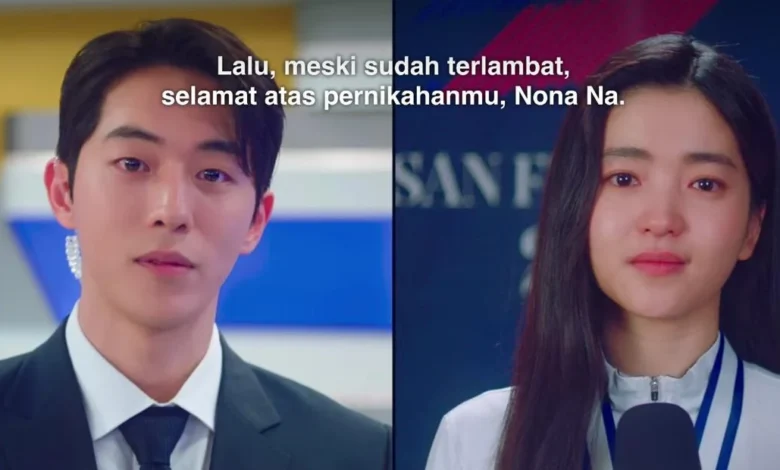
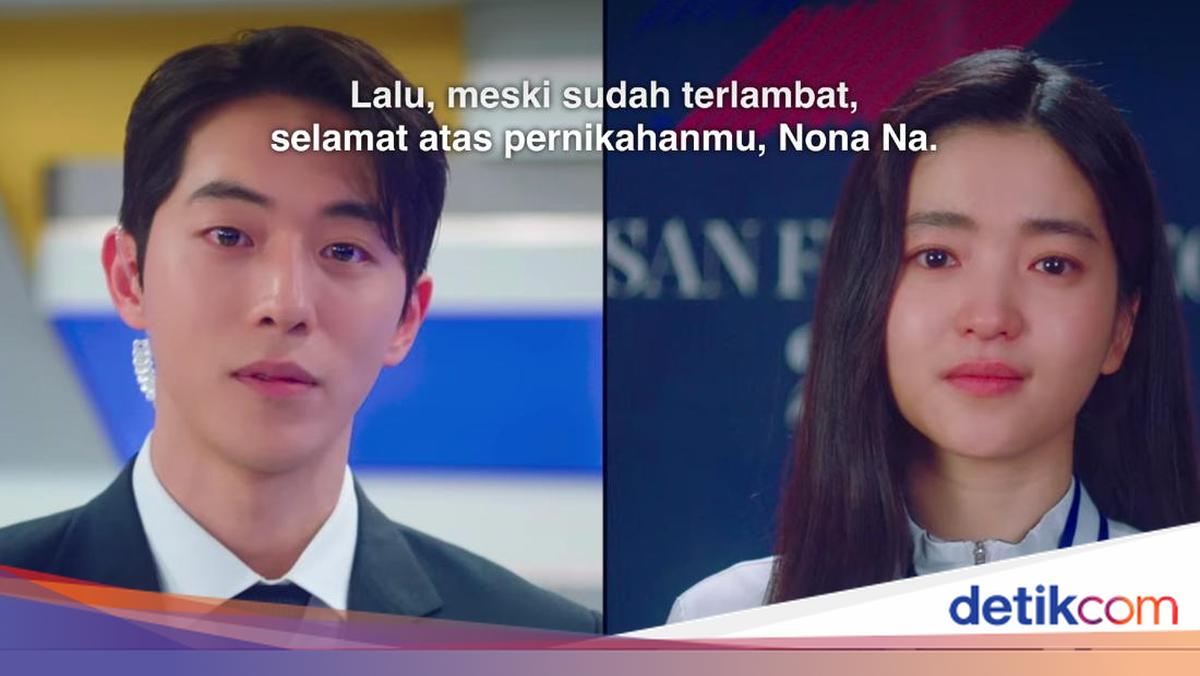
One particular line delivered by Nam Joo-hyuk’s character, Baek Yi-jin, in the drama’s epilogue, achieved viral status and became an iconic meme within the K-drama fandom. In a scene set years after their breakup, Baek Yi-jin is seen interviewing Na Hee-do, who has since become a celebrated figure. He extends his congratulations, saying, "And, though it’s late, congratulations on your marriage, Ms. Na." This line, delivered with a mix of professional formality and underlying wistfulness, perfectly encapsulated the unresolved sadness and the finality of their separation.
The phrase has since been widely adopted by K-drama enthusiasts as a meme, humorously (and sometimes mournfully) deployed whenever another beloved on-screen couple faces a similarly unfortunate or ambiguous end. It has become a shorthand for acknowledging a tragic romantic outcome, a testament to the profound impact "Twenty Five Twenty One" had on its viewers’ emotional landscape. The meme’s longevity and pervasive use underscore the collective experience of heartbreak shared by the drama’s audience, transforming a moment of on-screen sorrow into a tool for communal commiseration and ironic humor.
Fan Reactions and the Lingering Impact
The revelation of Nam Joo-hyuk’s recent comments sparked a renewed wave of reactions across social media platforms, with fans expressing a mix of amusement, continued lament, and a sense of vindication. Online forums and social media feeds quickly filled with translated excerpts and renewed discussions about the drama’s ending.
One netizen, reflecting on the actor’s awareness of the ongoing discourse, commented on Instagram, "So the main culprit has been following the global ridicule all along," highlighting the irony of the actor’s playful response to a topic that has generated so much passionate debate. Another fan passionately articulated the enduring power of the iconic line: "THE DRAMA ENDING THAT GETS REFERENCED EVERY SINGLE DAY, WHATEVER THE PROBLEM IS, THE SENTENCE ‘ALTHOUGH IT’S LATE, CONGRATULATIONS ON YOUR MARRIAGE, NA HEEDO’ IS THE SOLUTION!" This comment vividly illustrates how the dialogue has transcended its original context to become a universal expression of K-drama heartbreak.
Further demonstrating the depth of fan investment, another netizen pleaded, "Even if it’s 100 episodes, we’ll wait, as long as the reporter and the athlete unite," echoing the widespread desire for a different, more conventional happy ending for Baek Yi-jin and Na Hee-do. These reactions collectively paint a picture of a fanbase that, even years later, remains deeply invested in the characters’ fates, demonstrating the remarkable ability of well-crafted narratives to forge lasting emotional connections with audiences. The continued engagement confirms that "Twenty Five Twenty One" is not just a past drama but a living cultural artifact that continues to spark discussion and emotion.
Broader Implications: K-Drama Endings and Fan Engagement
The discourse surrounding "Twenty Five Twenty One’s" ending highlights a broader phenomenon within the K-drama industry: the significant impact of narrative conclusions on audience reception and the subsequent legacy of a series. While many K-dramas adhere to the "happily ever after" trope, often termed a "fan service" ending, shows that dare to venture into more realistic or ambiguous territory frequently face intense scrutiny. This dynamic underscores the powerful, often personal, relationship between K-drama fans and the stories they consume. For many, dramas offer an escape and an idealization of romance, and when that ideal is shattered, the disappointment can be profound.
The strong reactions to endings like that of "Twenty Five Twenty One" also demonstrate the evolving nature of fan engagement in the digital age. Social media platforms provide immediate avenues for viewers to share their thoughts, frustrations, and theories, creating a collective dialogue that can amplify both praise and criticism. This collective voice can significantly influence a drama’s cultural footprint and its lasting perception. The ability of a single line of dialogue to become a widespread meme is a testament to the power of online communities in shaping and perpetuating narratives beyond the screen.
Moreover, actors like Nam Joo-hyuk often carry the weight of their iconic roles long after production wraps. Their reflections on these characters, especially those involved in controversial storylines, are keenly observed by the public. Nam Joo-hyuk’s ability to address the "Twenty Five Twenty One" ending with both candor and humor indicates a mature understanding of his craft and the impact his work has on audiences, while also demonstrating a willingness to engage with the fan community on a lighter note.
The Power of Nostalgia and Realism in Storytelling
Nam Joo-hyuk’s initial comments about the beautiful capture of the 1998-2021 era also point to the enduring power of nostalgia in storytelling. The period depicted in "Twenty Five Twenty One" was a time of significant change and challenge for South Korea, following the 1997 Asian Financial Crisis. This backdrop provided a rich tapestry for the characters’ struggles and triumphs, making their personal journeys feel deeply intertwined with historical reality. The drama’s success in evoking this specific era contributed to its critical acclaim, offering viewers a journey back to a time of both hardship and burgeoning hope. This historical context added layers of depth to the romantic narrative, elevating it beyond a simple love story to a coming-of-age tale set against a pivotal moment in national history.
The show’s creators made a deliberate choice to ground the romance in a sense of realism, showing that even the most passionate love can buckle under the weight of external pressures and personal growth. This artistic integrity, while challenging for some viewers, solidifies "Twenty Five Twenty One" as a significant work that pushed the boundaries of conventional K-drama storytelling, sparking conversations about love, loss, and the complexities of human relationships in a way few other dramas have.
Conclusion
Years after its initial run, "Twenty Five Twenty One" continues to hold a significant place in the pantheon of beloved, yet divisive, K-dramas. Nam Joo-hyuk’s recent reflections on the drama’s aesthetic and its famously tragic ending serve as a fresh catalyst for ongoing discussions. His humorous suggestion that a longer episode count might have yielded a different outcome acknowledges the deep emotional investment of fans while offering a pragmatic, albeit playful, explanation for the narrative choices. The drama’s enduring cultural impact, evidenced by the viral meme and the continued passionate engagement of its fanbase, solidifies its status not just as a fleeting television series, but as a cultural touchstone that explored the bittersweet complexities of youth, love, and the often-unpredictable journey of life. The story of Baek Yi-jin and Na Hee-do, despite its sorrowful conclusion, remains a testament to the power of compelling storytelling and the indelible mark it leaves on the hearts of its audience.