Depok, Indonesia – The City of Depok is embarking on a significant stride towards a sustainable urban transportation future, officially announcing its plan to integrate electric vehicles (EVs) into its public transit system, specifically for its widely used "angkot" (public minivans). This ambitious initiative, spearheaded by the Depok City Transportation Agency (Dinas Perhubungan Kota Depok), aims to transform the city’s iconic orange minibuses into eco-friendly, zero-emission vehicles, aligning with global efforts to combat climate change and improve air quality.
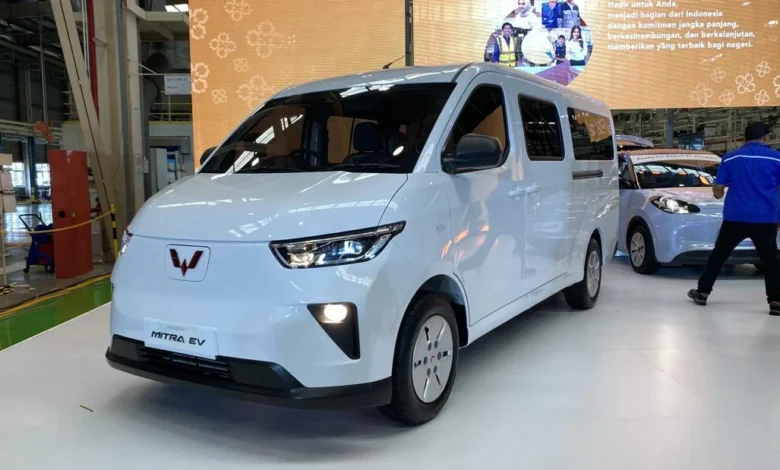
The transition will see the Wuling Air Ev, a versatile electric commercial vehicle, being repurposed and adapted to serve as the new backbone of Depok’s angkot fleet. This strategic move marks a pivotal moment for public transportation in one of Indonesia’s most populous satellite cities of Jakarta, signaling a clear commitment to environmental stewardship and enhanced passenger experience.
A Greener Commute: The Vision Behind Depok’s Electric Angkot
The announcement, which originated from the official Instagram account of the Depok City Transportation Agency, detailed the ongoing preparations for these groundbreaking electric angkots. The agency confirmed that the Wuling Air Ev models are currently undergoing modifications at a karoseri (body shop) to be fully equipped for their new role as public transportation units.
Aan Syurahman, the Acting Head of the Depok City Transportation Agency, articulated the core objectives of this transition. "We are currently conducting several checks with the Wuling Air Ev, which possesses a substantial capacity. We hope that in the future, it will be more comfortable for the public to use. This is the form of vehicle we are preparing to replace the D10A," he stated, referencing the current angkot model that will be phased out. This statement underscores a dual focus: modernizing the fleet and ensuring that the new vehicles meet the practical demands of urban commuting.
The overarching philosophy driving this initiative is the "Go Green" concept, aimed at fostering environmentally friendly and pollution-free transportation within Depok. This aligns with broader national and international trends that prioritize sustainable urban development and the reduction of carbon footprints. As cities worldwide grapple with the challenges of increasing traffic congestion and air pollution, Depok’s proactive approach positions it as a potential model for other Indonesian municipalities seeking to modernize their public transport infrastructure.
Beyond Green: Enhancing Passenger Experience and Accessibility
The commitment to sustainability extends beyond just emission reduction. The new electric angkots are being designed with a strong emphasis on inclusivity and user-friendliness. The Depok City Transportation Agency highlighted in its social media announcement that these vehicles will feature specialized facilities for persons with disabilities and priority seating for pregnant women. This thoughtful integration of accessibility features aims to ensure that public transportation is not only environmentally responsible but also caters to the diverse needs of all residents.
Furthermore, the agency projected that the operational costs of these electric angkots are expected to be more affordable. This is a crucial factor for public transportation, as it can translate into more accessible fares for commuters, particularly those who rely on angkots for their daily travel. Lower operational expenses for operators, potentially stemming from reduced fuel and maintenance costs associated with EVs, could indeed pave the way for more economical fares.
The Wuling Air Ev: A Capable Electric Workhorse
The chosen vehicle for this transformative project, the Wuling Air Ev, is a commercial electric vehicle known for its practicality and efficiency. While specific model variants are still being adapted, the general specifications of the Wuling Air Ev offer a glimpse into the capabilities of the new angkot fleet.
The Wuling Air Ev is positioned as a robust commercial vehicle. Its dimensions – a length of 5,010 mm, a width of 1,800 mm, and a height of 1,975 mm, with a wheelbase of 3,050 mm – suggest a vehicle with ample interior space, crucial for accommodating passengers and ensuring comfort during commutes.
The vehicle is equipped with a Lithium Iron Phosphate (LFP) battery, a technology known for its durability and safety. Two battery capacities are available: a 41.9 kWh battery for the Long Range Minibus model and a larger 56.2 kWh battery for the Premium Range Minibus model.
In terms of range, these battery options offer significant utility for urban public transport. The 41.9 kWh version can travel up to 300 kilometers on a full charge, while the 56.2 kWh variant extends this to an impressive 400 kilometers. This range is more than sufficient for the daily operational needs of an angkot within Depok’s urban and suburban routes.
Charging infrastructure is also a critical component of any EV transition. The Wuling Air Ev supports fast charging via a CCS2 charger, allowing it to charge from 30% to 80% in approximately 30 minutes. This rapid charging capability is vital for minimizing downtime and ensuring the vehicles can remain in service throughout the day.
Under the hood, the electric motor of the Wuling Air Ev delivers a robust 75 kW of power with a maximum torque of 180 Nm, driving the rear wheels. The vehicle offers multiple driving modes, including Eco, Normal, and Sport, providing flexibility for different driving conditions and operational demands. Its top speed reaches 115 km/h, ensuring it can keep pace with city traffic effectively.
Timeline and Phased Implementation
While the article did not specify a precise timeline for the full rollout of the electric angkot fleet, the mention of preparations and ongoing checks indicates that the project is in its active development phase. It is reasonable to infer that the initial phase will involve a pilot program, likely starting with specific routes that have high passenger volumes or are considered key arteries within Depok. This pilot phase would allow the city to gather data on performance, passenger feedback, and operational efficiency before scaling up the deployment.
The phasing out of the older D10A models will likely occur gradually. This phased approach is common in such large-scale transportation overhauls, allowing for a smoother transition for both operators and the public, and providing time to establish necessary charging infrastructure and maintenance facilities. The cost of acquiring and converting these vehicles, as well as the development of charging stations, will be significant investments, likely requiring partnerships between the city government, private operators, and potentially the vehicle manufacturer.
Broader Implications for Depok and Beyond
Depok’s commitment to electric public transportation has several significant implications:
- Environmental Impact: The most immediate impact will be a reduction in air and noise pollution within the city. This contributes to a healthier living environment for residents and helps Depok meet its environmental targets.
- Economic Benefits: While initial investment costs are high, the long-term operational savings from lower energy and maintenance costs for EVs can benefit operators and potentially lead to more stable or affordable fares for the public. The transition also spurs the development of local EV maintenance and charging infrastructure, creating new job opportunities.
- Technological Advancement: This move positions Depok as a forward-thinking city, embracing technological innovation in its urban planning and public services. It can serve as a catalyst for further adoption of green technologies in other sectors.
- Public Perception and Education: The visible presence of electric angkots will raise public awareness about electric vehicles and their benefits, potentially encouraging wider adoption of EVs for private use. Educational campaigns will likely be a crucial part of the implementation to ensure public understanding and acceptance.
- Policy and Regulatory Framework: The success of this initiative will likely influence future transportation policies in Depok and potentially serve as a blueprint for other Indonesian cities looking to transition to electric public transport. It highlights the need for supportive government policies, including incentives for EV adoption and the development of charging infrastructure.
Challenges and Future Outlook
Despite the promising outlook, the transition to an all-electric angkot fleet will undoubtedly present challenges. These may include:
- Infrastructure Development: The availability of sufficient charging stations across the city will be paramount. This requires strategic planning and investment in public and private charging facilities.
- Operator Buy-in and Training: Angkot operators, who are often independent or part of cooperatives, will need to be adequately compensated for the transition and trained on operating and maintaining electric vehicles. Financial support or subsidies for the initial purchase of EVs might be necessary.
- Grid Capacity: A significant increase in EV charging could place additional demand on the local electricity grid. Power companies will need to ensure the grid can handle this increased load, especially during peak charging times.
- Maintenance and Repair Networks: Establishing a robust network of qualified technicians and service centers for electric vehicles will be crucial for ensuring the ongoing operational reliability of the fleet.
The Depok City Transportation Agency’s proactive approach, however, suggests a comprehensive understanding of these challenges. By publicly detailing the vehicle specifications and the focus on passenger comfort and accessibility, they are laying a solid foundation for a successful transition. The integration of the Wuling Air Ev into the angkot system is not merely a vehicle swap; it represents a paradigm shift in urban mobility for Depok, paving the way for a cleaner, quieter, and more sustainable future for its residents. The success of this initiative could very well accelerate Indonesia’s broader journey towards a green transportation ecosystem.