Coldplay Leaves Lasting Environmental Legacy in Indonesia by Donating Neon Moon II Trash Interceptor to the Cisadane River

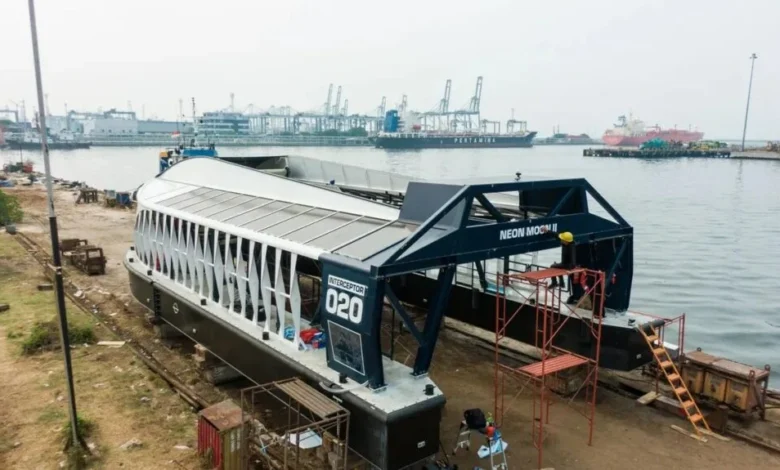
Following their landmark debut concert in Jakarta on Wednesday, November 15, at Gelora Bung Karno (GBK) Stadium, British rock band Coldplay has left a profoundly meaningful environmental legacy for Indonesia. Beyond delivering a memorable musical performance to thousands of ecstatic fans, the band demonstrated its steadfast commitment to global sustainability by donating an advanced trash-clearing vessel known as the Interceptor 020. Named "Neon Moon II," the state-of-the-art cleanup boat is scheduled to commence operations in the vital Cisadane River, which stretches from the highlands of Bogor through Tangerang in West Java, before the end of the year.
The initiative is part of an ongoing partnership between Coldplay and The Ocean Cleanup, a prominent international nonprofit organization dedicated to ridding the world’s oceans and rivers of plastic pollution. This high-profile donation underscores a growing trend of major musical acts leveraging their platform and financial resources to address critical ecological challenges in the regions they tour. By targeting the Cisadane River—a crucial waterway facing severe waste management pressures—Coldplay aims to intercept massive volumes of plastic debris and microplastics before they can drift into the Java Sea and cause long-term marine degradation.
The Environmental Crisis of the Cisadane River
The Cisadane River is one of the most significant river systems in western Java, supporting millions of residents across multiple municipalities for daily needs, agriculture, and industry. However, rapid urbanization, inadequate local waste collection infrastructure, and population growth along its banks have turned the river into a major conduit for plastic waste entering the marine environment.
According to environmental assessments, approximately 1,000 tons of plastic waste flow from the Cisadane River into the Java Sea annually. This staggering figure highlights the urgent need for systemic intervention. Plastic pollution not only degrades riverine ecosystems and threatens local biodiversity, but it also breaks down into microplastics that infiltrate the food chain, posing potential risks to public health.

Recognizing the gravity of the situation, environmental scientists and local authorities have long advocated for mechanical and structural cleanup solutions. Traditional manual cleanup methods, while helpful, are vastly insufficient for managing the sheer volume of debris transported by fast-flowing tropical rivers during the rainy season. The introduction of an automated, high-capacity interceptor vessel represents a monumental upgrade in local waste management capabilities.
Engineering Marvel: Specifications of the Neon Moon II
The Interceptor 020, christened Neon Moon II, is a marvel of modern environmental engineering designed specifically to tackle riverine plastic pollution autonomously. Valued at approximately USD 777,000 (roughly IDR 11.9 billion), the vessel boasts specifications that set a new benchmark for river cleanup technology.
Measuring 24 meters in length, Neon Moon II is capable of extracting between 50 and 100 tons of trash per day, depending on river flow conditions and debris density. One of its most remarkable features is its autonomous operation capability. Designed to function 24 hours a day without requiring a continuous onboard crew, the vessel utilizes advanced sensors and barrier systems to funnel floating debris toward its conveyor belt system, which then deposits the waste into onboard dumpsters.
Furthermore, Neon Moon II operates entirely on solar energy, making it emission-free and remarkably quiet. This ensures that the cleanup process does not generate noise pollution or carbon emissions, aligning with Coldplay’s rigorous sustainability guidelines for their Music of the Spheres World Tour, which explicitly focuses on minimizing the carbon footprint of live entertainment.
A Proven Partnership: The Evolution of The Ocean Cleanup Collaboration

The donation of Neon Moon II is not Coldplay’s first foray into aquatic conservation. The band established its partnership with The Ocean Cleanup in 2018, recognizing that cleaning the oceans must begin by intercepting waste at the source: rivers.
Their initial collaborative venture resulted in the deployment of "Neon Moon I" (Interceptor 005), which was stationed in the heavily polluted Klang River in Malaysia. Over the course of its operation, Neon Moon I achieved extraordinary success, successfully capturing over 1 million kilograms (1,000 metric tons) of plastic waste that would have otherwise polluted the Malacca Strait and the Indian Ocean.
Buoyed by the undeniable success of the Malaysian pilot project, Coldplay chose to replicate the initiative in Indonesia. By funding the construction and deployment of Neon Moon II, the band hopes to replicate or even exceed the debris-reduction milestones achieved in Malaysia, applying lessons learned to the unique hydrological conditions of the Cisadane River.
Broader Implications and Corporate Responsibility in Live Entertainment
Coldplay’s gesture has sparked widespread praise from environmentalists, government officials, and the public alike, setting a high standard for corporate and celebrity social responsibility. As international touring resumes at full scale post-pandemic, the environmental impact of large-scale concerts—ranging from logistics and travel to single-use plastics at venues—has come under intense scrutiny.
By actively investing in permanent, high-impact environmental infrastructure in the countries they visit, Coldplay is pioneering a model of regenerative touring. Rather than merely offsetting carbon emissions through tree-planting initiatives, the band is directly addressing one of Southeast Asia’s most pressing ecological crises.

The presence of Neon Moon II is expected to catalyze broader conversations among Indonesian policymakers, local communities, and industrial stakeholders regarding waste management reform. While interceptor vessels are crucial for mitigating existing pollution, experts emphasize that long-term success ultimately depends on upstream systemic changes, including improved municipal waste collection systems, stricter regulations on single-use plastics, and heightened public awareness.
Community Engagement and the Path Forward
Local authorities in West Java, Banten, and Tangerang have welcomed the deployment of Neon Moon II, viewing it as a vital supplement to existing regional cleanup efforts. Municipal agencies, in cooperation with The Ocean Cleanup and local volunteers, will manage the logistics of emptying the vessel’s dumpsters, sorting the collected materials, and ensuring that recyclable plastics are diverted to appropriate processing facilities rather than ending up in landfills.
For the citizens of Indonesia, particularly those living along the banks of the Cisadane, the arrival of Neon Moon II serves as both a tangible relief and a powerful reminder of shared responsibility. Environmental advocates hope that the high-profile nature of Coldplay’s donation will inspire ordinary citizens to adopt more sustainable habits, beginning with the simple act of properly disposing of waste and reducing reliance on single-use plastics.
As Neon Moon II prepares to cast off and begin its continuous, silent watch over the Cisadane River, it stands as a lasting monument to the intersection of art, activism, and applied science. Through this significant environmental investment, Coldplay’s 2023 visit to Indonesia will be remembered not only for the music played inside Gelora Bung Karno Stadium, but for the cleaner waters and protected marine life secured for generations to come.
Related posts: