Roemah Kentang 1908: Bandung’s Haunted House Reimagined as a Culinary and Cultural Hub

Bandung, Indonesia – Once shrouded in local lore and whispered tales of the supernatural, a historic Dutch colonial house in Bandung, famously known as “Rumah Kentang” (Potato House), has undergone a remarkable transformation. No longer a site of apprehension, the edifice, dating back to 1908, has been meticulously restored and repurposed into Roemah Kentang 1908, a vibrant dining establishment that seamlessly blends historical preservation with contemporary culinary innovation and a distinctly "instagenic" ambiance. The transition marks a significant shift from a place associated with mystery and neglect to a popular destination for both local residents and tourists seeking unique gastronomic experiences and a glimpse into Bandung’s rich past.
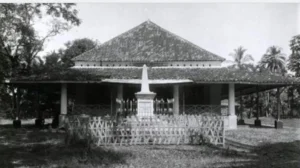
The property’s notoriety stemmed from decades of being abandoned and overgrown, its imposing architecture and secluded location fueling local legends. The persistent aroma of potatoes, a curious olfactory phenomenon, became intrinsically linked to the house, giving rise to its colloquial name and cementing its reputation as a haunted site. Historical accounts suggest the building may have once served as a meeting place for a clandestine organization known as Lochea Hermes, further adding layers to its mystique. The dense foliage surrounding the structure contributed to an aura of darkness and seclusion, making it a focal point for ghost stories and urban exploration tales that circulated widely among the community. The very age of the building, standing since the early 20th century, lent it an air of historical significance, even as its neglected state detracted from its potential.
The decision to revitalize this storied property into a commercial venture was made in December 2020, recognizing its strategic location within a heritage zone and its unique architectural character. The transformation, spearheaded by a dedicated team, aimed not to erase its past but to recontextualize it. While preserving significant original architectural elements, particularly within the interior, the renovation embraced modern design principles to create a welcoming and aesthetically pleasing environment. The exterior has been largely retained in its original form, allowing visitors to appreciate the colonial Dutch architectural style, which is a rare sight in the bustling city. This commitment to historical integrity, coupled with a focus on creating visually appealing spaces, has been instrumental in Roemah Kentang 1908’s success in attracting a diverse clientele.
A Culinary Journey Through Peranakan Flavors
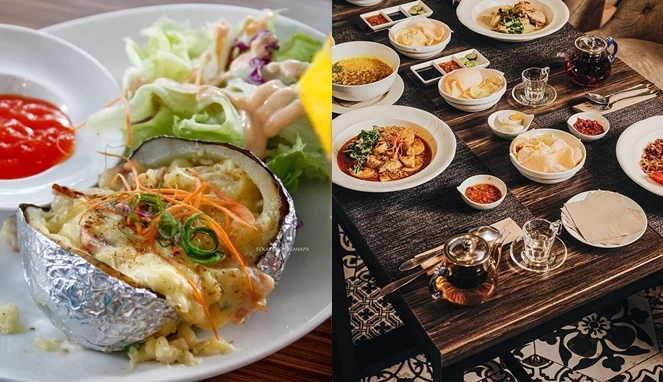
Roemah Kentang 1908 distinguishes itself with a unique culinary philosophy, offering a menu described as "Peranakan" cuisine. This fusion approach artfully blends influences from Indonesian, Western, Oriental, and Middle Eastern culinary traditions. The name "Roemah Kentang" is honored through a signature selection of baked potato dishes, reimagined with diverse and sophisticated toppings, catering to various palates. These baked potatoes are not merely a nod to the house’s history but are elevated into gourmet creations, showcasing the kitchen’s commitment to innovation.
Among the standout dishes is the "Ayah Karuhun," a special menu item that exemplifies the Peranakan concept. This dish is a carefully crafted fusion of Western techniques and traditional Indonesian flavors, offering a complex and satisfying taste profile. For those seeking breakfast options, the "Bubur Bakar Roeken" presents a unique take on a familiar Indonesian staple, prepared in a way that complements the restaurant’s distinctive approach. The menu also features a range of delectable snacks, including the "Pisang Goreng 1908" (Fried Banana 1908), a popular Indonesian dessert given a special touch. Furthermore, the restaurant offers a selection of international favorites, such as burgers, ensuring a broad appeal that extends beyond niche culinary exploration. This diverse menu strategy allows Roemah Kentang 1908 to cater to a wide demographic, from adventurous foodies to those seeking comforting, familiar flavors with a unique twist.
An Instagenic Haven Steeped in History
Beyond its culinary offerings, Roemah Kentang 1908 has cultivated a reputation as an "instagenic" destination, a testament to its thoughtful interior design and the preservation of its historical charm. The restaurant provides numerous photogenic spots that have become popular among visitors eager to capture the unique ambiance. Key features that draw the attention of photographers and social media enthusiasts include the original grand entrance, the intricate details of the colonial architecture, and a vintage classical piano situated in a prominent corner of the dining area. These elements, carefully preserved and highlighted, contribute to the establishment’s vintage aesthetic, creating a nostalgic yet sophisticated atmosphere.
The strategic decision to retain much of the interior’s original ornamentation while subtly integrating modern amenities has resulted in a space that feels both authentic and comfortable. This blend of old and new is a critical factor in its appeal, offering a backdrop that is both visually captivating and rich in historical narrative. The success of Roemah Kentang 1908 in establishing itself as a sought-after location for social media content underscores a broader trend in the hospitality industry, where experiential dining, coupled with visually appealing environments, plays a crucial role in attracting and engaging customers. The restaurant’s ability to tap into this trend while remaining true to its historical roots demonstrates a successful balancing act.

Strategic Location and Operational Hours
Roemah Kentang 1908 is strategically situated in the heart of Bandung, directly opposite the Saparua Sports Hall, at Jalan Banda No. 18, Kota Bandung, Jawa Barat. This prime location makes it easily accessible to both locals and tourists exploring the city. The accessibility is further enhanced by its proximity to other key attractions and public spaces, making it a convenient stop for a meal or a leisurely break.
The restaurant operates with distinct hours to cater to different customer needs throughout the week. On weekdays, it is open from 10:00 AM to 10:00 PM, allowing for lunch and dinner services. During weekends, the operating hours are extended, opening earlier at 8:00 AM and closing at 10:00 PM, accommodating early risers and those looking for a relaxed weekend brunch or extended dining experience. This operational schedule ensures that the establishment is available to a broad range of patrons at various times of the day, maximizing its potential for customer engagement and revenue generation.
Contextualizing the Transformation: Bandung’s Evolving Hospitality Landscape
The reinvention of Rumah Kentang into Roemah Kentang 1908 is indicative of a larger trend within Bandung’s dynamic hospitality sector. The city, renowned for its culinary scene and burgeoning tourism, has increasingly seen a rise in establishments that leverage historical architecture and unique narratives to create distinctive dining experiences. This approach appeals to a modern consumer base that seeks more than just food; they seek an atmosphere, a story, and an experience that can be shared and remembered.
The transformation from a place of fear and neglect to a hub of culinary and social activity reflects a broader societal shift in how historical sites are perceived and utilized. Instead of allowing historical buildings to fall into disrepair or remain as relics of the past, there is a growing movement to integrate them into the fabric of modern life, breathing new purpose into old structures. This often involves significant investment in restoration and adaptive reuse, requiring a delicate balance between preserving historical integrity and meeting contemporary functional and aesthetic demands.
The success of Roemah Kentang 1908 can also be analyzed in the context of the "experiential economy," where consumers are increasingly willing to pay for memorable experiences. By offering a combination of unique cuisine, a historically rich environment, and an "instagenic" appeal, the restaurant taps into this market effectively. The "haunted" reputation, once a source of apprehension, has been cleverly transformed into a unique selling proposition, adding a layer of intrigue and conversation starter for patrons. This rebranding strategy is a testament to creative marketing and a deep understanding of consumer psychology in the current marketplace.
The implications of such transformations extend beyond individual businesses. They contribute to the preservation of cultural heritage, stimulate local economies through tourism and employment, and enrich the urban landscape by revitalizing underutilized or neglected historical assets. Furthermore, by offering a diverse range of culinary options, Roemah Kentang 1908 contributes to Bandung’s reputation as a gastronomic destination, attracting a wider variety of visitors and fostering a vibrant culinary ecosystem. The restaurant’s ability to draw crowds amidst the competitive landscape of Bandung’s hundreds of cafes and restaurants highlights its unique value proposition.
In conclusion, Roemah Kentang 1908 represents a compelling case study in adaptive reuse and the successful revitalization of historical properties. It demonstrates how a site once associated with fear and abandonment can be transformed into a thriving center of culinary delight and cultural appreciation, offering a unique and memorable experience for all who step through its doors. The journey from a whispered legend to a celebrated destination underscores the enduring appeal of history when thoughtfully integrated with contemporary aspirations.