Exploring Bali’s Highlands: The Rise of Scenic Mountain Cafes in Kintamani for Travelers and Coffee Enthusiasts

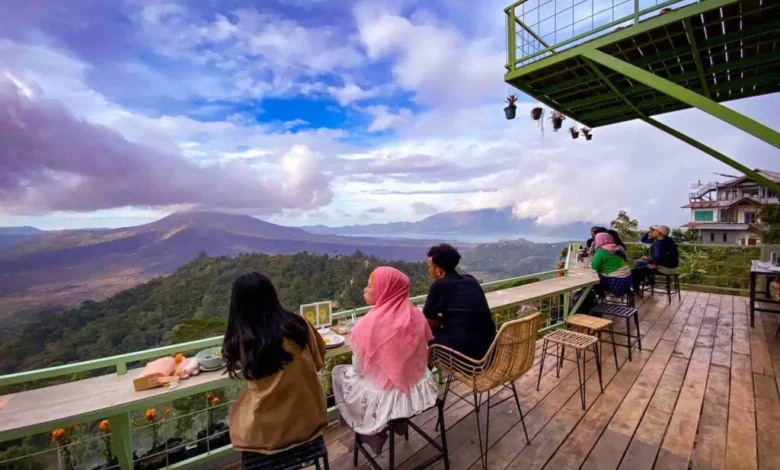
The island of Bali, globally renowned as Indonesia’s premier tourism paradise, continues to evolve beyond its iconic coastline, surf breaks, and cultural heartlands. While the southern beaches of Kuta, Seminyak, and Uluwatu have historically dominated international travel itineraries, a quieter yet equally compelling tourism transformation has taken root in the island’s central highlands. Specifically, the Kintamani region in Bangli Regency has emerged as a premier destination for travelers seeking a different side of Bali—one defined by crisp mountain air, volcanic landscapes, and an explosion of design-forward, scenic coffee shops.
In recent years, the culture of "nongkrong"—the Indonesian tradition of hanging out, socializing, and spending leisure time together—has migrated upward from sea level into the misty foothills of Mount Batur. Local entrepreneurs and hospitality investors have capitalized on the breathtaking natural topography, establishing architecturally striking cafes that perch precariously on caldera edges. These establishments offer visitors an immersive sensory experience: sipping locally grown Kintamani arabica coffee while wrapped in jackets, gazing out at panoramic vistas of towering volcanoes and deep caldera lakes. For friends, solo travelers, and couples seeking romantic or reflective escapes, these highland retreats provide a dramatic contrast to Bali’s tropical heat.
The Economic and Tourism Shift Toward Highland Exploration
The proliferation of modern cafes in Kintamani represents a significant diversification of Bali’s tourism portfolio. Traditionally, highland tourism was limited to brief daytime bus tours passing through Penelokan to view Mount Batur, followed by immediate departures back to southern hotels. However, the emergence of specialty coffee shops with sophisticated architectural designs has transformed Kintamani into an overnight destination and a primary hub for domestic and international travelers alike.
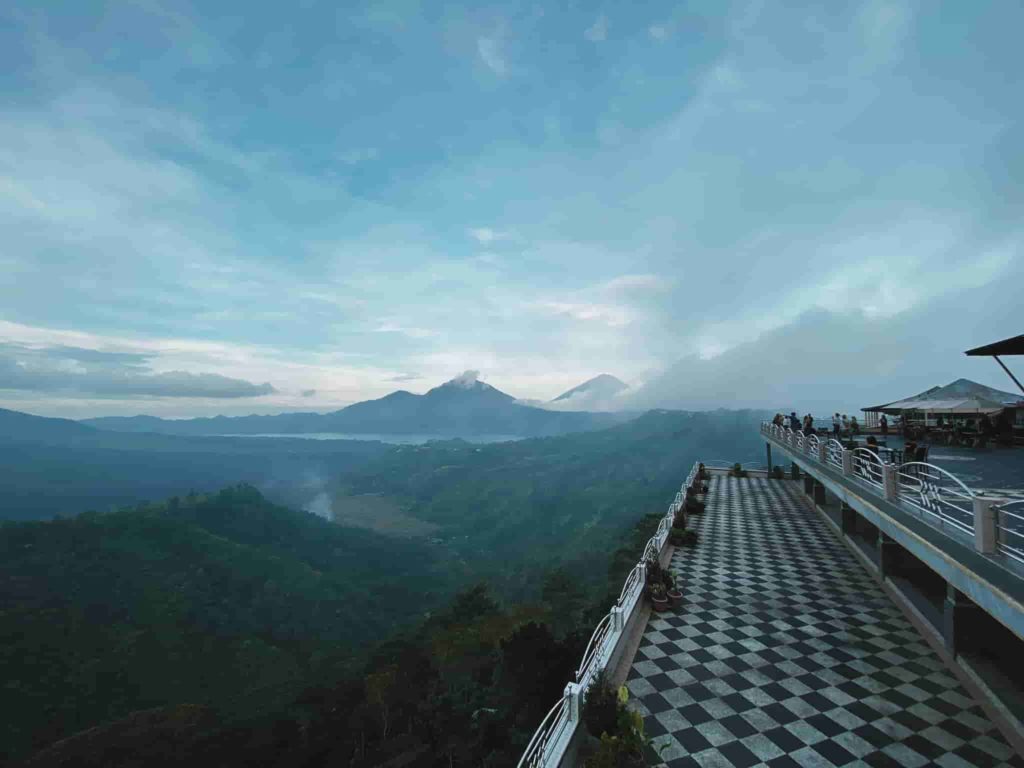
Tourism economists note that this shift has injected vital economic growth into Bangli Regency, one of Bali’s less densely commercialized regions. Local farmers, who have cultivated Kintamani’s distinct citrus-noted arabica coffee for generations, have found new domestic markets through direct partnerships with these specialty cafes. Furthermore, the development has spurred infrastructure improvements, including better road access, enhanced telecommunication networks, and eco-friendly lodging options.
The Chronology of the Kintamani Cafe Boom
The modern cafe boom in Kintamani gained substantial momentum in late 2019, catalyzed by pioneering establishments that proved high-altitude hospitality could thrive in the remote volcanic region.
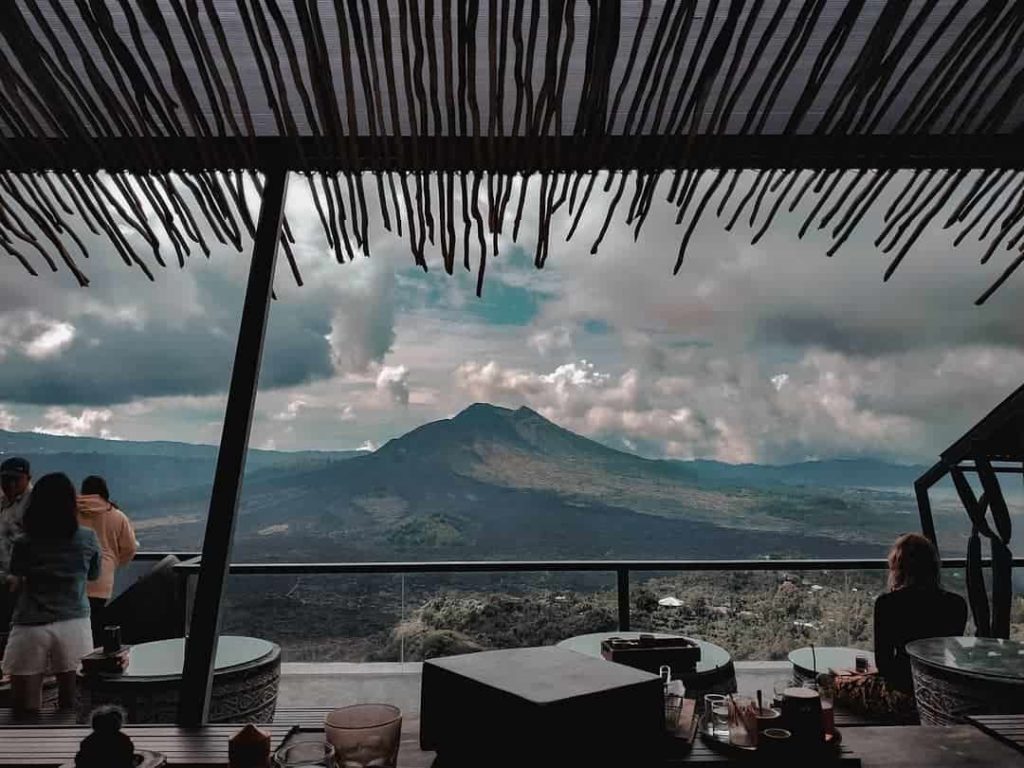
In December 2019, the opening of venues like Tegu Kopi along the main ridge of Jalan Raya Penelokan set a new benchmark for cafe design in the area. Rather than traditional warungs, these new establishments utilized expansive glass facades, minimalist industrial architecture, and multi-level viewing decks designed to frame the surrounding peaks—Mount Batur, Mount Abang, and Mount Agung—as living artwork.
Despite the disruptions of the global COVID-19 pandemic between 2020 and 2022, domestic tourism acted as a crucial catalyst. Domestic travelers seeking open-air spaces, cool climates, and picturesque backdrops for social media flocked to the highlands. This sustained demand encouraged further investment, leading to a second wave of large-scale cafe developments throughout 2021 and 2022, transforming the Penelokan ridge into a competitive culinary and lifestyle corridor.
Curated Guide: Premier Highland Cafes in Kintamani
For travelers planning an itinerary through Bali’s volcanic highlands, several establishments stand out due to their distinct architectural features, vantage points, and service offerings.
-
Tegu Kopi, Kintamani
Situated strategically on Jalan Raya Penelokan in Kintamani sub-district, Bangli Regency, Tegu Kopi occupies a prime ridge-line location. Operating since late 2019, the venue sits at an elevation where ambient temperatures regularly drop to a chilly 17 to 18 degrees Celsius. The cafe offers sweeping vistas encompassing the Batur Caldera, Lake Batur, and the distant silhouettes of Mount Abang and Mount Agung. As dusk approaches, the cafe serves as a prime viewing platform for sunsets descending behind the jagged mountain ridges. -
Eco Bike Coffee, Kintamani
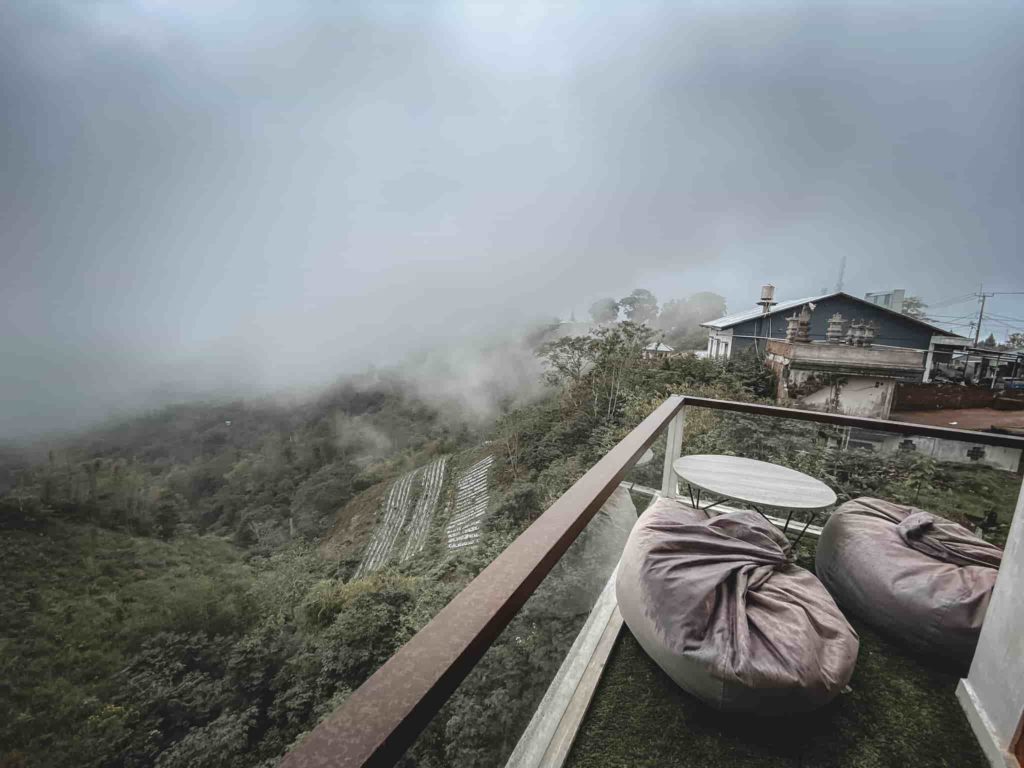
Spanning an impressive three architectural levels, Eco Bike Coffee is widely recognized as one of the largest hospitality complexes along the Kintamani cliffside. The venue integrates agricultural tourism with contemporary leisure, housing working coffee plantations and guest accommodations on its lower level, while culminating in an expansive open-air rooftop on the third floor. Due to its high altitude, visitors are advised to monitor weather forecasts prior to arrival; during heavy mist or cloud cover, visibility can be obscured, replacing panoramic views with an atmospheric, cloud-immersed environment. -
Akasa Coffee, Kintamani
Akasa Coffee distinguishes itself through its sophisticated ambiance and commitment to comfort in a high-altitude environment. Positioned to maximize views of Mount Batur, the cafe provides a warm sanctuary against the biting mountain winds, prompting frequent recommendations for visitors to bring warm clothing. Its menu caters to diverse preferences, offering everything from hearty breakfast selections and specialty teas to craft beers and single-origin local coffees, with average menu items positioned around the mid-to-upper tier.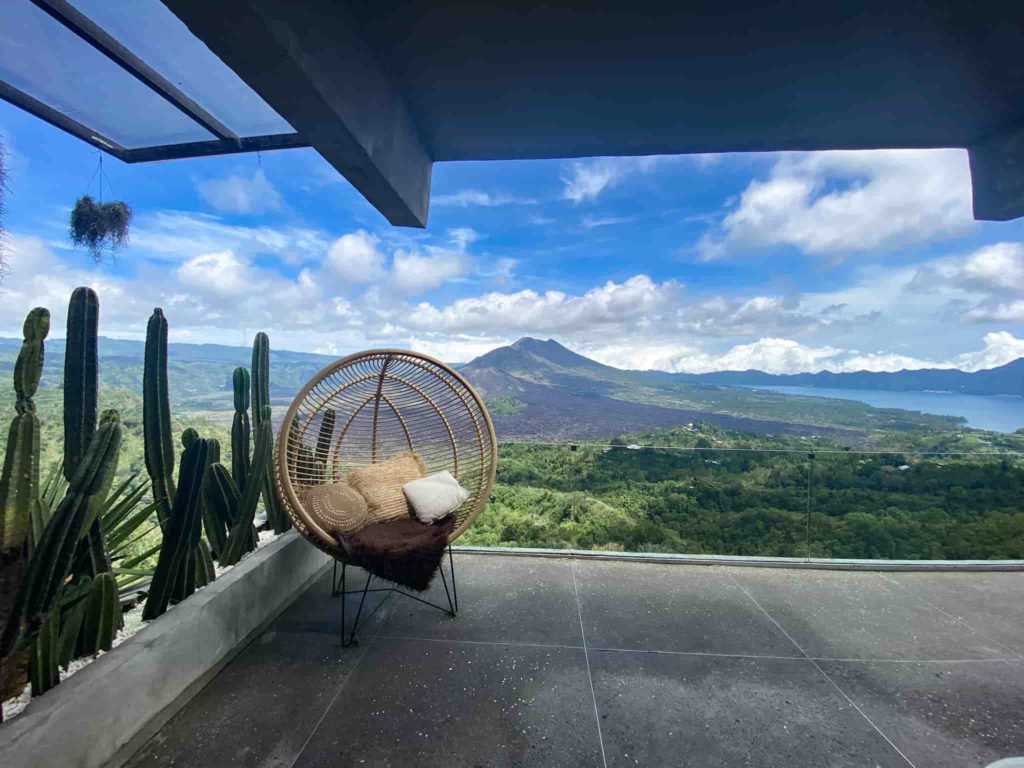
-
Batur 1926, Kintamani
For early risers, Batur 1926 offers a compelling reason to ascend the mountains before dawn. Opening its doors early in the morning, the cafe serves as an ideal vantage point for sunrise viewing around 5:30 AM. On clear mornings, patrons are treated to the rare sight of three distinct volcanic peaks simultaneously: Mount Batur, Mount Abang, and Mount Agung. Architecturally, the venue incorporates traditional Balinese elements, featuring intricately carved traditional gates on its rooftop terrace that provide striking frames for photography enthusiasts. -
Kava Coffee, Kintamani
Nestled directly along the shores of the historic Lake Batur, Kava Coffee offers a lakeside perspective of the region’s dramatic topography. The interior design mirrors the rugged grandeur of the surrounding landscape, utilizing semi-outdoor seating arrangements anchored by long communal tables. Floor-to-ceiling glass paneling ensures that even from the interior warmth of the cafe, patrons maintain uninterrupted visual contact with the majestic volcanic backdrop outside.
Operational Tips and Environmental Considerations for Visitors
Visiting Bali’s highland cafes requires logistical preparation that differs significantly from planning a trip to coastal regions. Meteorological conditions in Kintamani are highly dynamic; sudden drops in temperature, heavy morning or afternoon mist, and rapid downpours are common occurrences given the high elevation. Travelers are consistently advised to check local weather patterns, depart early from southern hubs such as Denpasar or Ubud to beat afternoon cloud cover, and pack appropriate cold-weather attire.
Furthermore, tourism authorities and environmental observers emphasize the importance of sustainable tourism practices in the region. The rapid expansion of commercial establishments along the fragile volcanic slopes of Mount Batur necessitates strict waste management, water conservation, and adherence to spatial planning regulations to protect the ecological integrity of the UNESCO Global Geopark network recognized in the area.
Implications for Bali’s Future Tourism Landscape
The sustained popularity of Kintamani’s mountain cafes underscores a broader trend in global travel: the demand for experiential, nature-integrated destinations that offer respite from overcrowded coastal zones. As Bali continues to diversify its tourism offerings, the successful fusion of local agricultural products—such as Kintamani coffee—with world-class hospitality architecture serves as a model for sustainable regional development. For travelers and policymakers alike, the highland boom demonstrates that Bali’s allure extends far beyond its beaches, deeply into the volcanic heart of the island.