Mamah Dedeh Appears in a Wheelchair While Addressing Health Challenges and Commitment to Dakwah

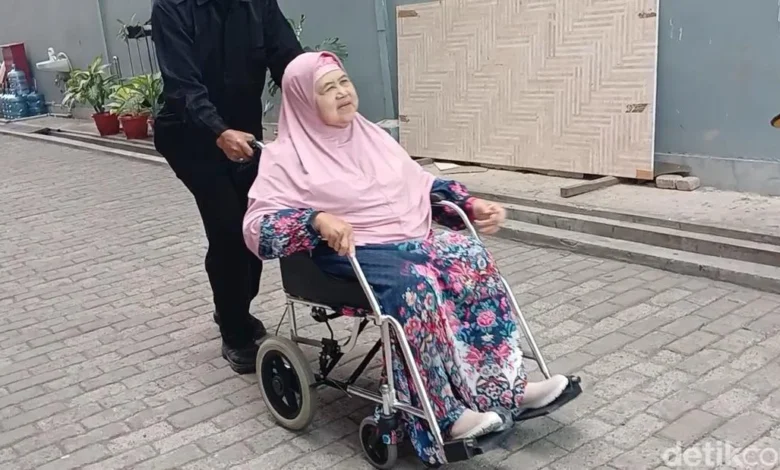
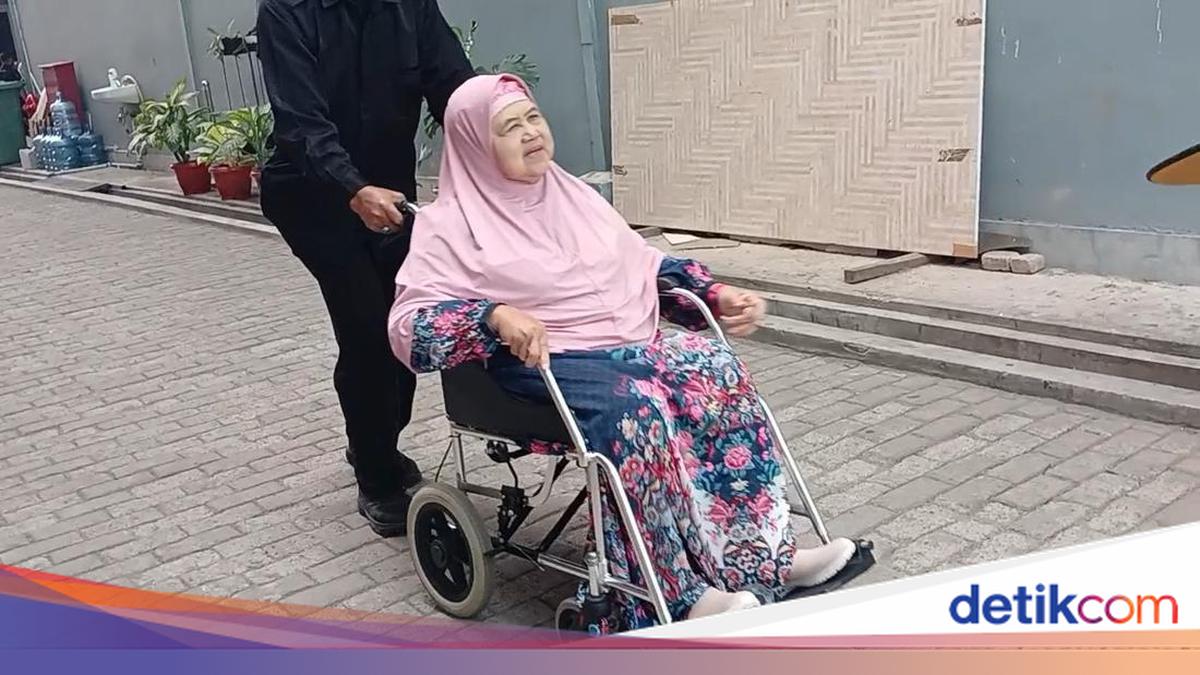
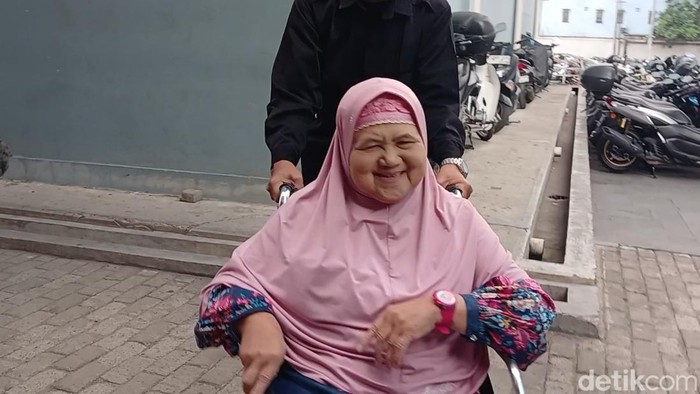
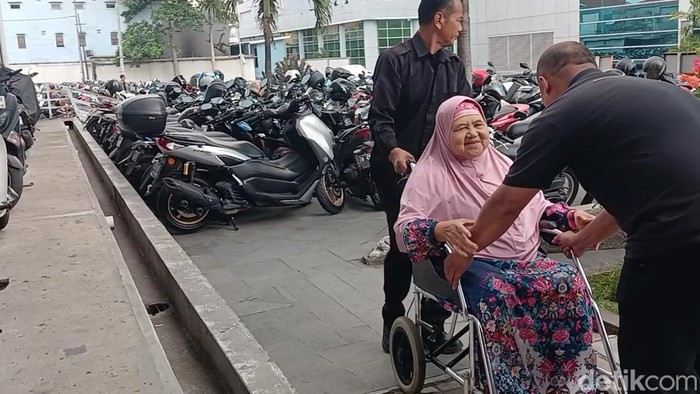
The beloved Indonesian televangelist, Dedeh Rosidah, widely known as Mamah Dedeh, recently made a public appearance that drew significant attention from her followers and the wider public. During a scheduled appearance at the Trans TV studios in South Jakarta, the veteran preacher was seen utilizing a wheelchair, sparking concerns regarding her physical health. Despite the evident mobility limitations, Mamah Dedeh maintained her characteristic warmth and professional demeanor while participating in the taping of popular programs, including "Brownis" and "Pagi Pagi Ambyar."
This public sighting has prompted a broader conversation about the health challenges faced by public figures as they age and the resilience required to maintain a demanding career in media and religious outreach.
Clinical Context: Understanding Osteoarthritis
The condition described by Mamah Dedeh—referred to colloquially as "pengapuran" or calcification in the knees—is medically known as osteoarthritis (OA). Osteoarthritis is the most common form of arthritis, affecting millions of individuals globally. It occurs when the protective cartilage that cushions the ends of the bones wears down over time.
Medical experts note that while the condition is often associated with the natural aging process, it is exacerbated by years of physical strain, long periods of standing, and genetic predisposition. For a preacher like Mamah Dedeh, whose career has spanned decades of standing on stages to deliver sermons and engaging directly with crowds, the cumulative impact on weight-bearing joints such as the knees is significant.
Data from the World Health Organization (WHO) indicates that osteoarthritis is a leading cause of disability among the elderly. The management of the condition typically involves a combination of physical therapy, weight management, and, in advanced stages, surgical interventions such as knee replacement therapy. While Mamah Dedeh has not disclosed the specific stage of her condition, the use of a wheelchair suggests a proactive approach to pain management and the prevention of further joint degradation.
A Legacy of Religious Outreach
To understand the public’s concern, one must consider the historical impact of Mamah Dedeh’s career. Born in Ciamis, West Java, she rose to national prominence through her unique, direct, and often humorous style of delivering Islamic sermons. Unlike traditional, monotone lectures, Mamah Dedeh’s approach is characterized by an interactive "question and answer" format that addresses the daily domestic struggles of her audience.
Her presence in the media has been a constant for nearly two decades. Her ability to translate complex theological concepts into relatable advice for families made her a household name across the Indonesian archipelago. Consequently, when the public observes a change in her physical vitality, it is often met with a collective sense of empathy, as she is viewed by many not merely as a television personality, but as a maternal figure in the national consciousness.
Chronology of Public Engagement and Health
The timeline of Mamah Dedeh’s career is marked by relentless dedication. For years, she maintained a grueling schedule, often recording multiple segments in a single day across various television networks.
- Early 2000s: Emergence as a prominent figure in religious talk shows.
- 2010–2020: Peak of national influence, with daily slots on major networks, establishing her as a pillar of daytime television.
- 2020–2025: Gradual reduction in public appearances as she prioritized family and health, though she remained active in selective media engagements.
- November 2026: Recent appearance at Trans TV studios, where the use of a wheelchair was observed, confirming ongoing challenges with knee mobility.
The shift from standing to using a wheelchair marks a transition in how the public interacts with her. However, her appearance at the studios demonstrates that while her mobility has changed, her commitment to her vocation remains steadfast.
Analysis: The Demands of Televangelism
The role of a televised preacher involves more than just reciting scripture; it requires significant stamina. The environment of a television studio is physically taxing, involving intense lighting, long hours of standing, and the psychological pressure of maintaining an engaging persona for millions of viewers.
From a professional standpoint, the decision to use a wheelchair during these appearances serves as a pragmatic solution to a physical limitation. It allows for continued participation in the industry without the risks associated with prolonged standing or potential falls. This decision is viewed by health professionals as a responsible management of a chronic condition, prioritizing long-term mobility over the aesthetic expectations of television production.
Official Responses and Public Sentiment
While there has been no formal statement from a spokesperson regarding her long-term medical plans, the reaction from the public and the media industry has been overwhelmingly supportive. Social media platforms and community forums have seen an influx of well-wishes, with fans expressing gratitude for her years of service.
Colleagues in the entertainment industry have also rallied around her. During the recording sessions at Trans TV, staff and fellow hosts were observed assisting her with care and respect, reflecting the high regard in which she is held by her peers. This level of professional courtesy highlights the deep-rooted respect for her legacy in the Indonesian media landscape.
Broader Implications for Aging Public Figures
The discourse surrounding Mamah Dedeh’s health serves as a microcosm for a larger societal discussion regarding the aging population in the media. As the icons of the early 2000s television era enter their later years, the public is increasingly confronted with the reality of the human aging process.
This scenario highlights the importance of accessibility and inclusivity in professional settings. The fact that major television networks are accommodating her needs—ensuring she can continue to work despite her mobility challenges—is a positive development in workplace equity. It signals a shift away from the "perfectionist" standards of broadcast media toward a more compassionate and realistic representation of life.
The Future of Her Mission
Despite the physical challenges, Mamah Dedeh’s influence remains undiminished. Her ability to adapt to the changing landscape of communication—from live studio audiences to the digital era—ensures her messages continue to reach new generations. Her current situation does not signify the end of her career but rather a new chapter in which she models grace in the face of adversity.
The resilience she displays is, in itself, a form of teaching. By continuing to appear in public while managing a chronic condition, she provides a lesson on dignity and acceptance. For many of her followers, seeing her smile while using a wheelchair is as impactful as any sermon she has ever delivered.
Conclusion: A Continued Legacy
As the news of her health condition circulates, the overarching narrative is one of enduring respect. Mamah Dedeh has spent the better part of her life answering the questions of others; now, the public is collectively hoping for her well-being.
The developments at the Trans TV studios serve as a reminder of the fragility of health, even for those who have dedicated their lives to the service of others. As she moves forward, the focus remains on her comfort and her ability to continue her work on her own terms. The public’s continued support, evidenced by the warm reception during her recent appearances, ensures that her legacy remains firmly intact, characterized by the same resilience and kindness that defined her rise to fame.
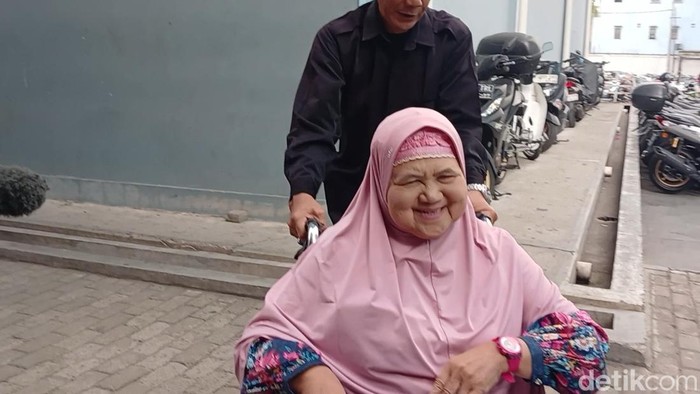
In summary, the recent images of Mamah Dedeh are not a signal of retreat, but an affirmation of her enduring presence. While the wheelchair is a physical necessity, her spirit and intellectual rigor continue to resonate with her audience, proving that her impact on Indonesian society transcends physical ability. As she manages her osteoarthritis, the public continues to look toward her as a symbol of consistency and wisdom, wishing her the very best in her ongoing journey.