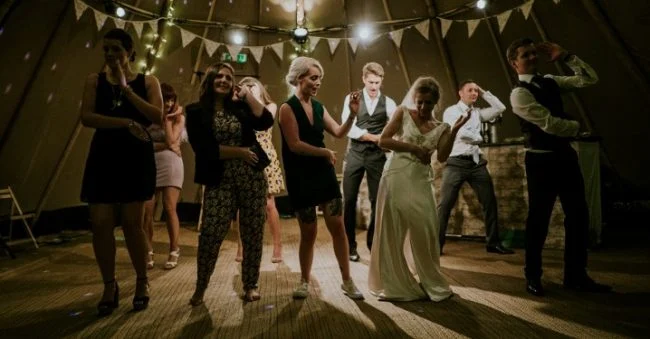
The integration of dangdut music into Indonesian wedding ceremonies has evolved from a regional preference into a standard component of modern matrimonial celebrations. As a genre characterized by its distinctive rhythmic structure—often driven by the tabla and flute—dangdut has become a cultural staple that facilitates social cohesion during large-scale public and private events. For many couples, the selection of a wedding playlist is not merely an aesthetic choice but a strategic decision to manage the atmosphere of the reception, ensuring that guests of all generations remain engaged throughout the proceedings.

The Cultural Significance of Dangdut in Indonesian Nuptials
Dangdut, which traces its roots back to the 1960s and 70s, has undergone significant transformations, moving from its status as "the music of the masses" to a highly respected and commercially viable art form. During a traditional wedding, the music acts as a bridge between formal rituals and the more relaxed, communal celebration that follows. Sociological studies on Indonesian wedding customs suggest that music serves a functional role in reducing the formality of the reception, allowing guests to interact in a less inhibited environment.

The selection of specific tracks often reflects the couple’s desire to honor heritage while incorporating contemporary energy. Legends like Rhoma Irama, often referred to as the "King of Dangdut," have provided a vast catalog of compositions that explore themes of devotion, eternal love, and the sanctity of marriage. When these songs are played, they often evoke a sense of nostalgia among older attendees while providing a rhythmic foundation that invites younger guests to participate in social dancing.

Curated Selection of Essential Wedding Tracks
The following list comprises 25 compositions frequently utilized by wedding planners and sound engineers to curate an optimal auditory experience for guests.

- Siapa yang Punya (Rhoma Irama and Rita Sugiarto): A quintessential duet that uses playful, flirtatious lyrics to capture the early stages of romantic discovery.
- Cuma Kamu (Rhoma Irama and Rita Sugiarto): A profound declaration of monogamous devotion, often used during the bridal entrance.
- Hitam (Rita Sugiarto): A lyrical exploration of inner beauty, emphasizing the importance of character over physical appearance.
- Sekuntum Mawar Merah (Elvy Sukaesih): Known for its intricate flute arrangement, this track serves as a classic metaphor for love and courtship.
- Seperti Mati Lampu (Nassar): A contemporary, high-energy track that has become a staple for modern receptions, effectively shifting the mood toward a more upbeat, celebratory tone.
- Aku Rindu Padamu (Evie Tamala): A ballad-style dangdut track that emphasizes the longing between partners, ideal for more intimate reception settings.
- Gadis Malaysia (Yus Yunus): A rhythmic, engaging song that encourages audience participation through dance.
- Pertemuan (Rhoma Irama and Noer Halimah): This track focuses on the joy of reunification, frequently chosen by couples to symbolize their journey toward marriage.
- Bunga Surgawi (Danang): A modern, melodically rich song that has gained traction for its vocal complexity and emotional depth.
- Terlalu Tampan (Iis Dahlia): A lighthearted song that provides a jovial atmosphere, suitable for the middle phase of the reception when guests are dining.
- Pantun Cinta (Rhoma Irama and Elvy Sukaesih): A masterpiece of lyrical poetry, utilizing the traditional Indonesian "pantun" (rhyming quatrains) to express affection.
- Bahtera Cinta (Rhoma Irama): A song that likens marriage to a vessel crossing an ocean, symbolizing the endurance required in a lifelong partnership.
- Memandangmu (Ikke Nurjanah): Celebrated for its poetic composition, this song is favored for its focus on the visual and emotional connection between the bride and groom.
- Malam Terakhir (Rhoma Irama and Rita Sugiarto): A legendary track that captures the anticipation of a shared future.
- Kopi Dangdut (Fahmi Shahab): An essential inclusion for any playlist, this song is widely recognized across Indonesia and is guaranteed to prompt guest engagement on the dance floor.
- Janjimu (Erie Suzan): This song focuses on the sanctity of promises made during the wedding vow ceremony.
- Aku Suka Kamu (A. Rafiq): A classic, upbeat track that brings a retro charm to modern wedding festivities.
- Cinta Sabun Mandi (Jaja Miharja): A humorous and light-hearted addition that provides a welcome relief from the solemnity of formal ceremonies.
- Cinta Berpayung Bulan (Iis Dahlia): A sophisticated and romantic composition that suits the aesthetic of an outdoor or evening reception.
- Istri Saleha (Rhoma Irama): A culturally significant song that offers traditional advice on the virtues of a supportive and devout spouse.
- Hikayat Cintaku (Dewi Persik and Glenn Fredly): A collaborative track that bridges the gap between pop and dangdut, appealing to a broader demographic.
- Pacar Dunia Akhirat (Rita Sugiarto): This song reinforces the concept of a partner who remains by one’s side through all circumstances.
- Dokter Cinta (Evie Tamala): A metaphoric song about healing the heart through love, perfect for marking a transition into a new chapter of life.
- Rembulan Malam (Evie Tamala): A serene and melodic track that adds a touch of grace to the reception environment.
- Sik Asik (Ayu Ting Ting): A high-tempo track that serves as an excellent finale, ensuring the event concludes on a high note.
Industry Perspectives and Logistical Considerations
According to event coordinators in the Indonesian hospitality industry, the strategic placement of these songs is vital. "We rarely start with high-tempo tracks," explains a senior wedding planner. "The progression usually begins with mid-tempo ballads during the initial guest arrival, moving into more romantic, lyrical pieces during the processional, and transitioning to high-energy dance tracks only after the formal dining service is concluded."

Data from wedding management software indicates that the "reception phase" is the most critical for music selection, as it accounts for over 60% of the total event duration. By balancing the "Syahdu" (serene/solemn) tracks with "Ceria" (upbeat/cheerful) tracks, organizers can prevent "event fatigue," a condition where guests lose interest due to monotonous pacing.

Broader Societal Impact
The endurance of these songs in the wedding industry highlights a larger trend in Indonesian cultural preservation. Despite the global influence of Western pop and K-pop, indigenous music genres remain deeply embedded in the social fabric of the country. This trend suggests that music acts as a mechanism for maintaining cultural identity during major life milestones.

Furthermore, the economic impact of the wedding music industry is substantial. With thousands of weddings occurring weekly across the archipelago, the demand for high-quality audio equipment, live bands, and professional singers continues to sustain a robust ecosystem of creative professionals. The continued popularity of classic artists like Rhoma Irama and Elvy Sukaesih, alongside modern performers like Danang and Ayu Ting Ting, ensures that the dangdut industry remains a vital part of the nation’s entertainment sector.

For couples planning their upcoming nuptials, the selection process is more than a creative exercise; it is an act of curation that reflects their personal values, family background, and the type of community they wish to foster. By choosing tracks that resonate with both the older and younger generations, they ensure that the wedding celebration serves its primary purpose: the union of two families through shared joy, tradition, and the rhythmic pulse of the nation.
Related posts: