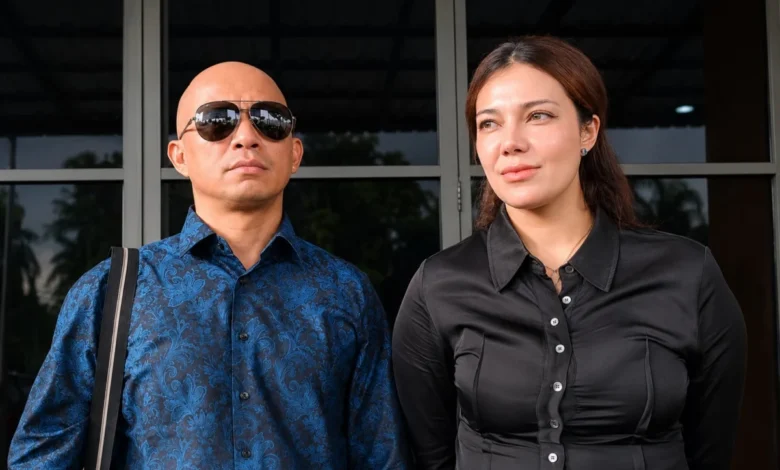
The legal battle concerning the custody of children and the subsequent dissolution of the marriage between television personality Ruben Onsu and former Cherrybelle member Sarwendah Tan has taken a contentious turn. On November 11, 2026, the courtroom proceedings featured testimony from Tengku Zanzabella, a well-known content creator, who leveled serious allegations against Sarwendah. Zanzabella claims she was strategically manipulated by the singer to procure evidence that could be leveraged against Ruben Onsu during their ongoing legal separation and custody litigation.
The Testimony and Allegations
During the court session, Zanzabella appeared as a witness, providing testimony that challenged the public persona of Sarwendah. According to legal counsel Ranto Sibarani, representing Zanzabella, the core of the testimony focused on exposing the nature of Sarwendah’s interpersonal relationships and her alleged tendency to utilize individuals for personal gain rather than fostering genuine connections.
Ranto Sibarani elaborated that the testimony was intended to shed light on whether Sarwendah operates based on long-term loyalty or temporary convenience. "In the hearing, our client revealed whether this individual is the type to maintain long-term friendships or if those relationships are merely based on specific interests," Sibarani stated. The implication of this testimony is that Zanzabella believes she was approached by Sarwendah not out of genuine friendship, but as a calculated effort to secure testimonials or digital evidence that would benefit Sarwendah in her conflict with Ruben Onsu.
Background and Chronology of the Dispute
The public dissolution of the marriage between Ruben Onsu and Sarwendah has been marked by a series of media appearances and legal filings. Since the filing of the divorce petition, the discourse surrounding the case has frequently shifted from the courtroom to social media platforms, where various figures have commented on the private lives of the two celebrities.
Zanzabella, who initially gained prominence as a vocal commentator on various social issues, had previously expressed sympathy toward Sarwendah. In her statement, she clarified that her early support for the singer was rooted in a sense of solidarity as a fellow woman. However, she asserts that as the situation progressed, the reality of the singer’s character appeared to be at odds with the image projected in the media.
The relationship between the two reportedly soured well before the current legal proceedings took center stage. Zanzabella explicitly denied claims that she and Sarwendah shared a close, intimate friendship, characterizing their interactions as sporadic and motivated by Sarwendah’s strategic needs rather than genuine personal rapport.

Analysis of Legal Implications
The introduction of a third-party witness to testify on the "character" of one of the litigants in a divorce and custody case is a notable procedural development. In Indonesian family law, while child custody decisions are primarily governed by the best interests of the child, the conduct and credibility of the parents are often scrutinized.
Legal observers note that if a witness can successfully demonstrate that one party has acted in bad faith—such as attempting to entrap others for the purpose of fabricating evidence—it can significantly influence the judge’s perception of that party’s reliability. By testifying that she was "used" to gather evidence, Zanzabella is essentially attempting to undermine the credibility of any materials or claims that might have been derived from their past association.
The strategy employed by the legal team for Ruben Onsu appears to be focused on deconstructing the narrative presented by Sarwendah. By utilizing witnesses who have personal experience with her, the defense hopes to establish a pattern of behavior that favors their client’s position in the custody dispute.
Broader Impact on Celebrity Litigation
The involvement of influencers and content creators as witnesses in high-profile legal cases is an evolving trend in the Indonesian entertainment industry. With the rapid growth of digital media, the lines between public commentary and legal evidence have blurred. Celebrity divorces, which were once handled discreetly, are now subject to intense public scrutiny and the influence of social media personalities who are often drawn into the fray.
This particular case highlights the risks for public figures when they seek to build a "coalition" of supporters or witnesses during a legal battle. If those supporters later turn against the individual, their testimony can be particularly damaging because they were, at one point, in a position of trust or close proximity. The public nature of this dispute has already led to a division among fans and netizens, further complicating the already sensitive matter of child custody.
Official Responses and Future Proceedings
To date, representatives for Sarwendah Tan have not issued a formal rebuttal addressing the specific claims made by Zanzabella in the courtroom. Typically, in such high-stakes litigation, legal teams advise their clients to refrain from commenting on active judicial proceedings to avoid prejudice.
The court is expected to continue hearings in the coming weeks, with more witnesses likely to be called to provide insights into the domestic situation and the circumstances leading to the breakdown of the marriage. The judiciary faces the complex task of filtering out the noise of media influence and focus solely on the evidence pertinent to the custody arrangement and the finalization of the divorce.

As the case proceeds, the focus remains on the wellbeing of the children involved. The court is mandated to prioritize their welfare above the grievances and public allegations leveled by the adults in the case. The testimony provided by individuals like Zanzabella, while sensational in the media, must ultimately pass the threshold of legal relevance and evidentiary weight to have any bearing on the final ruling.
The Role of Social Media in the Legal Process
The involvement of Zanzabella also serves as a case study for the influence of digital creators on judicial perceptions. Because content creators are experts at shaping narratives, their presence in court can be a double-edged sword. While their testimony can provide insight into the behavior of a litigant, it also risks turning the courtroom into a venue for public opinion.
The presiding judge will need to weigh whether the allegations of "manipulation" are substantiated by concrete evidence—such as communication logs, recordings, or specific documented instances—or if they remain purely subjective interpretations of personal interactions.
Conclusion
The legal battle between Ruben Onsu and Sarwendah Tan continues to serve as a high-profile example of how private marital disputes can escalate into complex public controversies. The testimony of Tengku Zanzabella has added a layer of intrigue to the case, raising questions about the motivations behind alliances formed during divorce proceedings.
As the legal process unfolds, the public remains captivated by the shifting dynamics between the parties involved. However, the ultimate resolution of this case will depend not on the social media narratives or the public testimony of acquaintances, but on the findings of the court regarding the best interests of the children and the legal requirements for the dissolution of the marriage. For now, both parties remain entrenched in their respective legal strategies, with the proceedings in November 2026 serving as a critical juncture in the ongoing saga.
The legal team for the defense is expected to continue presenting witnesses who can support their client’s narrative, while the plaintiff’s side is likely to seek opportunities to discredit such testimony. As the case reaches its next phase, the primary concern for the legal system remains the equitable distribution of rights and responsibilities, ensuring that the personal disputes between the parents do not cause long-term harm to their children.