Backpacker Jakarta Distributes Humanitarian Aid to Victims of the Devastating 7.8 Magnitude Flores Earthquake in East Nusa Tenggara

The morning of Saturday, August 15, 2026, began with a catastrophic seismic event that fundamentally altered the landscape of the Flores region in East Nusa Tenggara (NTT). At 05:58 WITA, a powerful earthquake measuring 7.8 on the moment magnitude scale (Mw 7.8) struck, with its epicenter located off the northern coast of Flores. The shallow depth of the event—recorded at just 10 kilometers—contributed to the massive destruction of infrastructure and significant loss of life. The tremor originated from the Flores Back-Arc Thrust, a seismically active zone known for its capacity to generate high-magnitude shallow earthquakes.
Chronology and Scope of the Disaster
The seismic activity, which residents described as sudden and violent, devastated multiple regencies across the island, including Manggarai, East Manggarai, Nagekeo, Sikka, Ngada, Ende, and West Manggarai. The immediate aftermath saw a collapse of essential services, with communications and transportation routes severely hampered by debris and structural damage.

According to the Indonesian National Board for Disaster Management (BNPB) and the National Search and Rescue Agency (Basarnas), the death toll reached 111 individuals in the days following the event, with thousands more suffering from injuries ranging from minor lacerations to critical trauma. The humanitarian crisis was further exacerbated by the relentless frequency of aftershocks. As of September 4, 2026, the Meteorology, Climatology, and Geophysics Agency (BMKG) reported that the region had experienced an unprecedented 12,209 aftershocks, creating a climate of perpetual instability and preventing displaced residents from returning to their homes.
The Magnitude of Infrastructure Damage
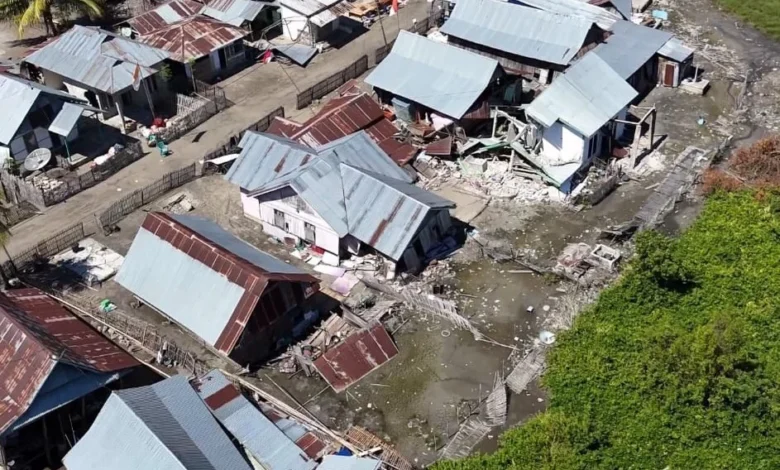
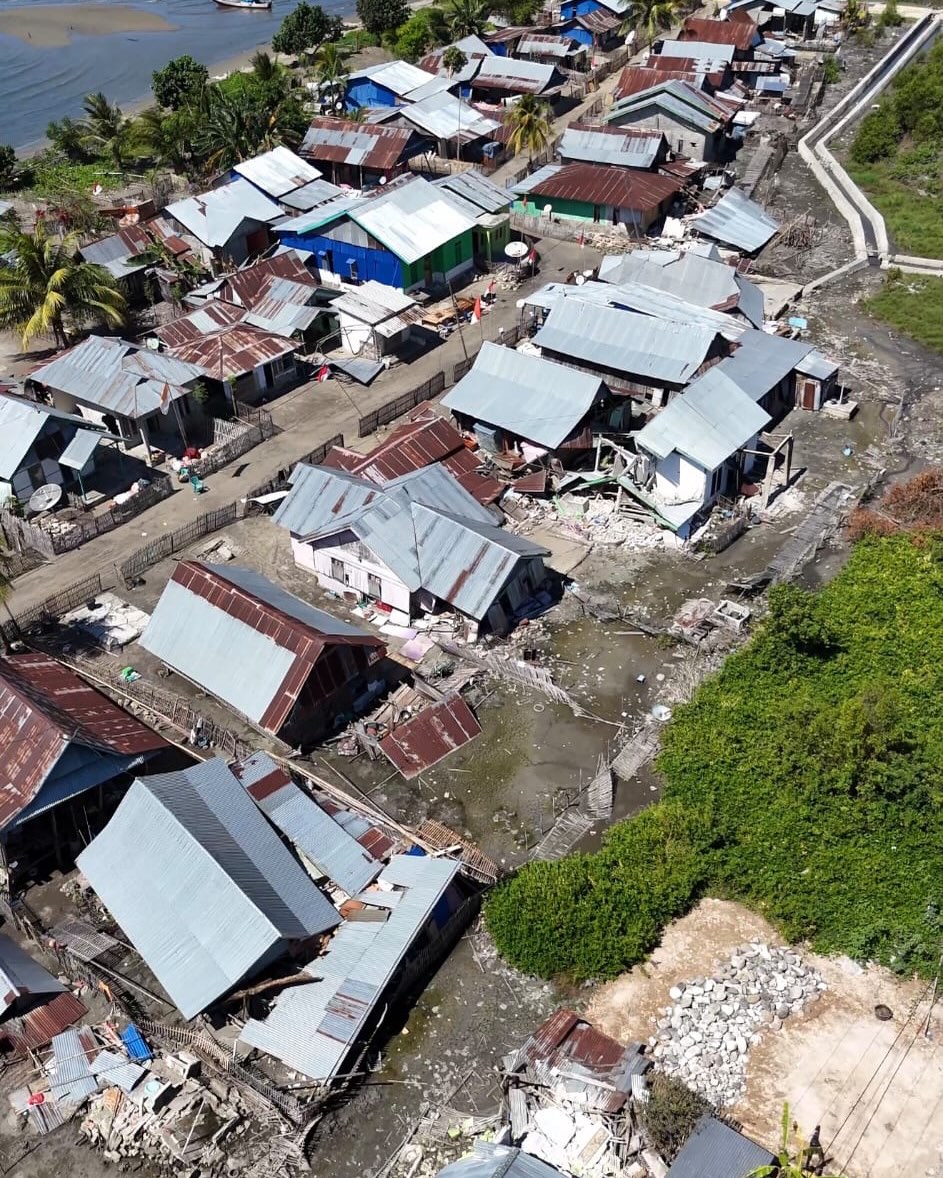
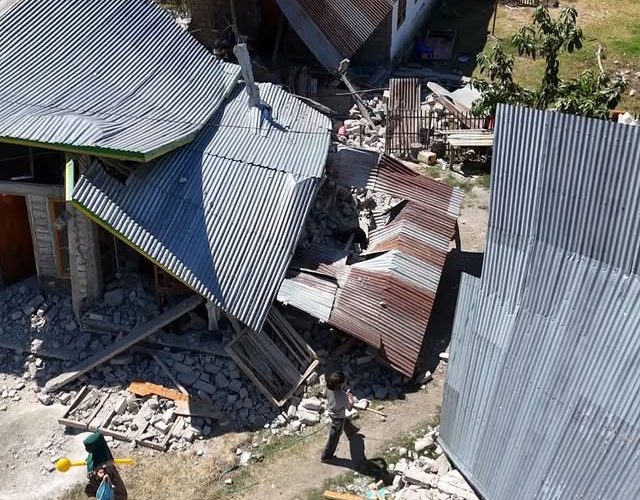
The physical impact of the earthquake was extensive. Preliminary assessments indicated that tens of thousands of residential properties sustained damage varying from minor cosmetic cracking to total structural failure. Public infrastructure was hit particularly hard, with numerous schools, healthcare facilities, and government buildings rendered unusable. In areas such as the Waso region in East Manggarai, entire neighborhoods were reduced to rubble, making it one of the most severely affected zones on the island. The destruction of educational and health facilities created a secondary crisis, complicating the delivery of medical aid and disrupting the continuity of essential public services for the survivors.
Humanitarian Response and Grassroots Mobilization
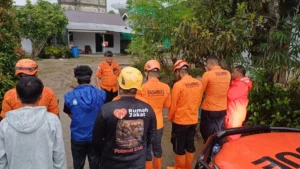
In response to the overwhelming needs on the ground, the Backpacker Jakarta (BPJ) community launched a large-scale humanitarian relief effort. Recognizing that the scale of the disaster exceeded the immediate capacity of localized emergency responses, BPJ mobilized its member network across the country to raise funds and coordinate the procurement of essential goods.
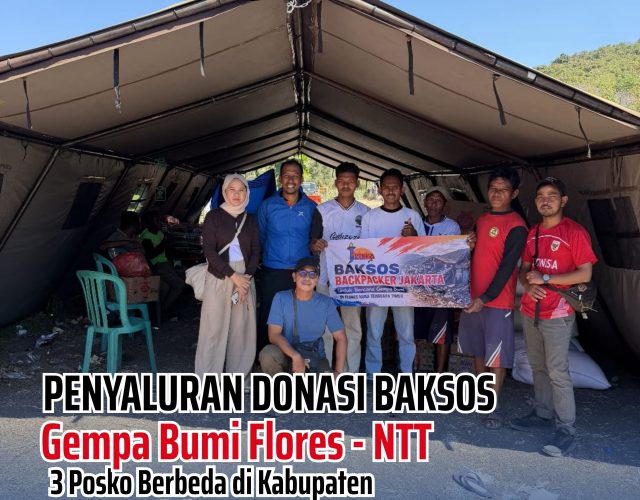
The logistical challenge of delivering aid to remote areas of East Manggarai required meticulous planning. On August 26, 2026, the organization successfully deployed a comprehensive relief mission to three key distribution points within the regency. The aid was prioritized based on the most immediate needs of the displaced populations, focusing on basic survival requirements and sanitary infrastructure.
Detailed Breakdown of Distributed Aid
The relief efforts were directed toward three specific emergency posts, known as Posko A, Posko B, and Posko C. The allocation of funds, totaling Rp17,199,000, was distributed as follows:
Posko A (Kampung Waso, Satar Padur Village) and Posko B (SMP 1 Lamba Leda)
The aid provided to these locations addressed both short-term sustenance and the immediate environmental health concerns of the tent-based refugee camps. Expenditures included:
- Infrastructure: Rp1,334,500 was allocated for the construction of water drainage channels, essential for maintaining hygiene in the tent cities.
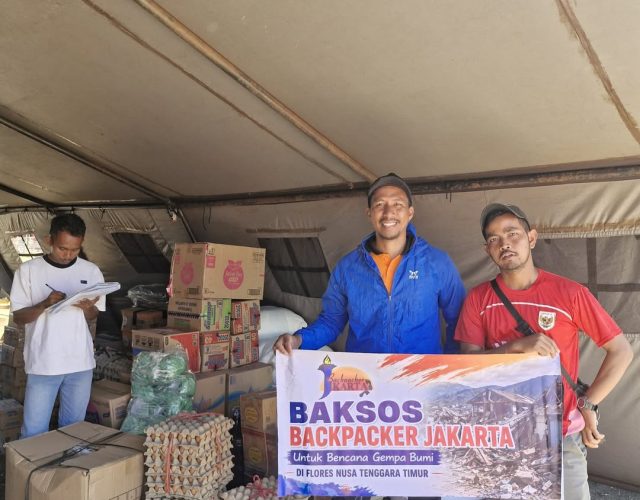
- Nutritional Support: A significant portion of the funds, Rp10,880,000, was used to purchase comprehensive grocery packages. These packages included rice, cooking oil, eggs, instant noodles, seasoning, sugar, coffee, and ready-to-eat items like chicken sausages.
- Sanitation and Health: The packages included essential supplies such as diapers, baby formula, sanitary products, soap, and medicated oils for infants.
- Utility and Transport: The mission covered the cost of bottled water (Rp600,000), six lighting units for night safety (Rp210,000), and specialized pickup truck transport (Rp1,500,000) to navigate the difficult terrain of the affected regions.
- Fresh Produce: Rp550,000 was spent on fresh vegetables to ensure nutritional balance for those residing in the temporary shelters.
Posko C (Elar, East Manggarai)
Recognizing the specific needs of the population in the Elar district, BPJ provided direct food aid consisting of 150 kilograms of rice, distributed in three 50kg sacks, with a total value of Rp2,125,000.
Fact-Based Analysis of the Seismic Risks
The 2026 Flores earthquake serves as a somber reminder of the geological vulnerability of the Indonesian archipelago, specifically the Flores Back-Arc Thrust. This fault system is a critical component of the regional tectonic framework, where the Australian plate subducts beneath the Eurasian plate. The high number of aftershocks—over 12,000 in less than three weeks—is indicative of the fault’s ongoing stress release.
Seismologists have long warned that the shallow nature of these faults requires rigorous building codes and seismic-resistant construction standards. The widespread failure of public infrastructure suggests that many structures in the region were not sufficiently reinforced to withstand a magnitude 7.8 event. The economic implications are severe; the reconstruction of schools, clinics, and homes in the affected regencies will require long-term financial commitments from both the national government and the private sector.
Broader Socio-Economic Implications
The disaster has had a profound effect on the socio-economic stability of East Nusa Tenggara. Beyond the immediate death and injury toll, the loss of livelihoods for farmers and local business owners, whose property and tools were destroyed, has created a ripple effect of poverty. With the agricultural sector being the backbone of the East Manggarai economy, the damage to infrastructure has made it difficult for producers to transport goods, leading to market instability.
Official government responses have focused on the transition from emergency search and rescue to the recovery and reconstruction phase. However, the sheer volume of damaged homes has slowed the pace of permanent housing solutions. Organizations like Backpacker Jakarta have played a vital role in filling the gaps during this transition, providing the necessary supplies that state agencies, stretched thin across multiple affected regencies, could not immediately supply.
Moving Forward: The Path to Recovery
The humanitarian efforts initiated by the BPJ community reflect a broader spirit of solidarity within Indonesia. The organization has confirmed that this mission constitutes the first phase of their intervention, with a second phase of aid distribution currently in development. Future updates will focus on the longer-term needs of the survivors, particularly regarding the restoration of educational facilities and the provision of psychosocial support for families affected by the trauma of the event.
As the region continues to experience seismic activity, the focus remains on disaster preparedness and the implementation of better building standards. The events of August 2026 highlight the necessity of community-based preparedness and the importance of NGOs in acting as force multipliers for governmental disaster management efforts. The resilience of the Flores community, supported by national aid networks, will be tested in the coming months as the long process of reconstruction begins in earnest. For now, the priority remains ensuring that those still living in temporary shelters have access to clean water, nutrition, and secure, well-lit environments.
Related posts: