Japan Records Historic Milestone as Centenarian Population Surpasses 100,000 Amidst Looming Demographic Crisis

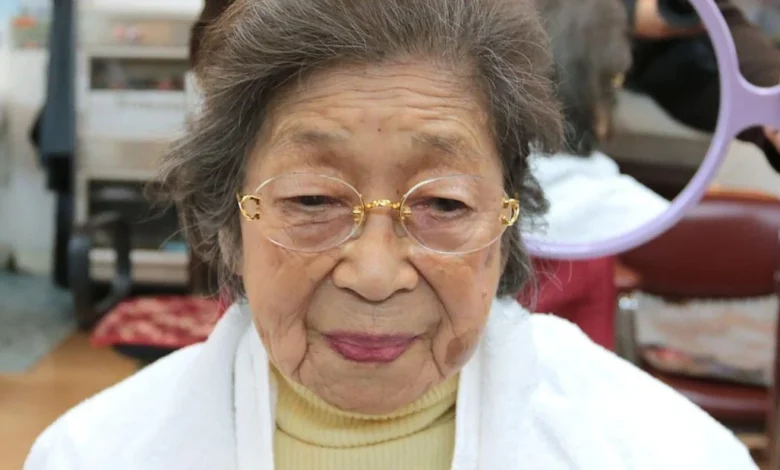
Tokyo—Japan has officially crossed a profound demographic threshold, as the number of citizens aged 100 or older has surpassed the 100,000 mark for the first time in history. Data released by the Ministry of Health, Labour and Welfare on Friday, September 18, 2026, confirms that the nation is now home to 107,677 centenarians. This figure represents an increase of nearly 8,000 individuals compared to the previous year, solidifying Japan’s position as the world leader in longevity. While the nation celebrates this triumph of healthcare and improved living standards, the milestone arrives against a backdrop of a shrinking total population, framing a complex narrative of a society that is living longer while struggling to replace itself.
A Historic Trajectory: The Rise of the Centenarian
The journey to this record-breaking figure is a testament to the rapid evolution of Japan’s healthcare system and nutritional standards since the post-war era. When the Japanese government initiated its formal survey of centenarians in 1963, the total count was a mere 153 individuals. The progression since then has been exponential, reflecting both medical breakthroughs and a societal emphasis on geriatric care.
By 1981, the population of centenarians surpassed 1,000 for the first time. The momentum accelerated as living conditions stabilized and chronic disease management improved; by 1998, the count exceeded 10,000. The surge in the 21st century has been even more pronounced, with the number of people reaching the age of 100 climbing steadily every year for the past 56 years. This consistent upward trend underscores the efficacy of Japan’s universal healthcare coverage and its focus on preventative health measures, which have helped elevate the average life expectancy to 84 years, significantly outpacing the global average and notably surpassing the United States, where life expectancy hovers around 79 years.
Gender Disparities and Notable Figures
The demographic profile of Japan’s centenarians remains heavily skewed by gender. According to the latest ministry report, 88 percent of the centenarian population—totaling 94,298 individuals—are women. This mirrors global trends in longevity, where biological factors and behavioral differences often result in higher female life expectancy.
At the individual level, the nation continues to honor its oldest residents as symbols of national vitality. Fuyo Kishimoto, a 114-year-old resident of Kyoto, currently holds the title of Japan’s oldest woman, while Hikaru Kato, a 112-year-old from Kumamoto, is recognized as the oldest man. These individuals are often the focus of national attention during the annual "Respect for the Aged Day," a public holiday during which the government presents centenarians with a letter of congratulations and a traditional silver-plated sake cup, symbolizing longevity and honor.
Official Perspectives and Medical Advancements
Minister of Health Kenichiro Ueno lauded the milestone, framing it as a triumph of modern science. "I am deeply moved to see so many citizens remaining active, engaged, and healthy well into their second century," Ueno stated. "This milestone is not merely a statistical anomaly; it is a clear reflection of the immense progress made in our medical, nutritional, and technological fields."
From an official standpoint, the government views these figures as a vindication of public policy focused on "healthy aging." By investing in advanced diagnostic tools and community-based support systems, Japan has effectively transitioned from merely extending the lifespan to extending the "healthspan"—the period of life spent in good health, free from chronic disease. However, beneath the celebratory rhetoric, policymakers are acutely aware of the economic and social burdens that an aging society places on a shrinking workforce.
The "Silent Emergency": A Demographic Paradox
The celebration of extreme longevity is juxtaposed with the stark reality of Japan’s declining birth rate. The National Institute of Population and Social Security Research has issued grim projections regarding the country’s future. While the current population stands at approximately 123 million, it is forecasted to plummet to 87 million by 2070. This represents a staggering 30 percent decline from the peak population of 128 million recorded in 2008.
The core of the issue is a fertility crisis that shows no signs of abating. Last year, Japan’s fertility rate dropped to a record low of 1.14. To maintain a stable population, a nation requires a replacement-level fertility rate of approximately 2.1. Japan has been significantly below this threshold for decades. Currently, 30 percent of the total population is aged 65 or older, and this proportion is expected to climb toward 40 percent by 2070, creating an inverted population pyramid that places immense pressure on the national pension system and healthcare infrastructure.
The Regional and Economic Impact
The crisis is not evenly distributed. In 2025, 45 out of Japan’s 47 prefectures recorded a population decline, with the pace of depopulation accelerating in rural areas. Young people continue to migrate toward Tokyo and other major urban hubs in search of employment, leaving behind "ghost towns" where the median age is rapidly rising.
Prime Minister Sanae Takaichi has characterized this demographic shift as a "silent emergency." Despite the implementation of various subsidies, childcare support programs, and initiatives designed to encourage family formation, the government has yet to see a meaningful uptick in birth rates. Economists point to a "perfect storm" of structural barriers:
- Economic Insecurity: The high cost of living and stagnant wages make raising children a significant financial burden for younger generations.
- Social Norms: Despite policy changes, the corporate culture in Japan often remains rigid, making it difficult for parents to balance career progression with family life.
- Changing Priorities: There has been a marked decline in marriage rates, which traditionally serves as the primary gateway to child-rearing in Japanese society.
- Labor Force Participation: While the increased participation of women in the workforce is a positive economic development, it has not been adequately supported by affordable, accessible childcare infrastructure, leading many to choose career over family.
Future Implications and Policy Challenges
The persistence of these trends suggests that Japan is entering a period of significant structural adjustment. As the ratio of taxpayers to pensioners shrinks, the government will likely face difficult decisions regarding tax hikes, the potential for raising the retirement age even further, and the possible integration of more foreign labor to fill gaps in the workforce.
Furthermore, the surge in the centenarian population necessitates a shift in social services. Beyond medical care, there is a growing need for social integration programs that prevent isolation among the elderly. Technology is playing a larger role here, with robotics and AI-assisted care being tested to support the elderly in their homes, reducing the burden on families and professional caregivers.
The milestone of 100,000 centenarians is, in many ways, a success story that most nations aspire to replicate. Japan has succeeded in ensuring that its citizens can live longer than ever before. Yet, the challenge for the next decade will be to ensure that this longevity does not come at the expense of national stability. As the "silent emergency" continues, the eyes of the world remain fixed on Tokyo, looking to see how the government will balance the needs of its oldest generation with the necessity of fostering a future for its youngest. The record-breaking figures of 2026 are not just a snapshot of the present; they are a clear indicator of a demographic future that will require unprecedented innovation and societal transformation to navigate.