
Chevrolet Spin LTZ 2013: A Comprehensive Analysis of the Enduring Appeal of a Discontinued Indonesian Low MPV

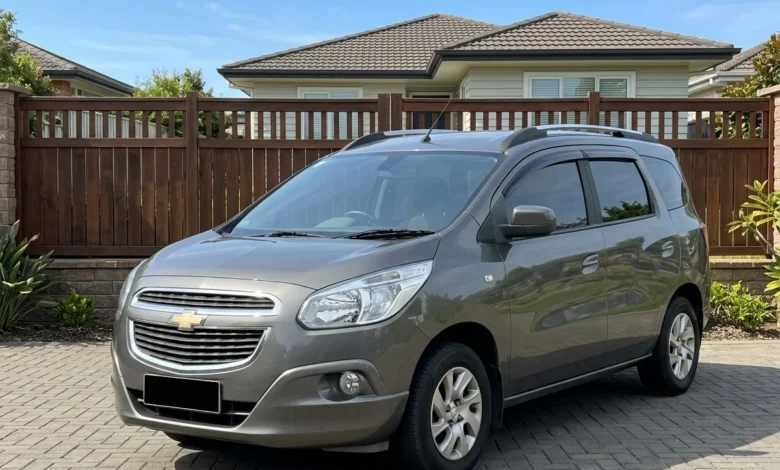
The Indonesian automotive landscape in the early 2010s was characterized by a fierce battle for the hearts and wallets of middle-class families, a market segment dominated by the "Big Two" Japanese manufacturers. In the midst of this hegemony, General Motors (GM) Indonesia introduced the Chevrolet Spin, a Low Multi-Purpose Vehicle (LMPV) that aimed to challenge the status quo through bold design, European-influenced driving dynamics, and a unique powertrain strategy. Today, the 2013 Chevrolet Spin LTZ continues to attract interest in the secondary vehicle market, serving as a case study in how a discontinued model can maintain relevance through superior build quality and mechanical versatility.
A Strategic Entry into the Indonesian LMPV Market
General Motors’ decision to produce the Chevrolet Spin locally at its Pondok Ungu facility in Bekasi was a significant strategic maneuver. Introduced in 2013, the Spin was not merely an import but a product designed with the specific needs of the ASEAN market in mind. At a time when the Toyota Avanza and Suzuki Ertiga enjoyed near-total market dominance, the Spin offered a European aesthetic—characterized by a robust stance, pronounced wheel arches, and a sophisticated, dual-cockpit interior design.
The production of the Spin represented a $150 million investment by GM into its Indonesian operations. The vehicle was engineered to provide a distinct alternative to the utilitarian feel of its Japanese competitors, focusing on structural rigidity and passenger comfort. For the 2013 launch, the LTZ trim was positioned as the top-tier offering, designed to attract consumers who demanded more than just basic transportation.
Chronology of the Chevrolet Spin in Indonesia
The timeline of the Chevrolet Spin in Indonesia is marked by rapid expansion followed by a swift exit.
- Early 2013: Official launch of the Chevrolet Spin in Indonesia, with local production commencing at the Bekasi plant.
- 2014: The model gained traction among enthusiasts who favored the diesel variant, which was rare for the LMPV segment at the time.
- 2015: General Motors announced a major restructuring of its global operations, leading to the decision to cease manufacturing activities in Indonesia.
- February 2015: The Pondok Ungu facility officially ceased production, marking the end of the Spin’s local assembly.
- 2016-Present: The Spin transitioned into the pre-owned market, where it has developed a cult following, particularly among those who appreciate the durability of the diesel engine and the vehicle’s highway stability.
Technical Specifications: The LTZ Advantage
The LTZ variant of the 2013 Chevrolet Spin was lauded for its mechanical variety, offering three distinct engine options that cater to different driving profiles. Understanding these specifications is essential for potential buyers, as the driving experience varies significantly between them.
- 1.2L Petrol Engine: Featuring a DOHC 16-valve configuration, this engine was designed for urban efficiency. It produces approximately 86 PS and 115 Nm of torque. While modest, it provides a stable platform for city driving.
- 1.5L Petrol Engine: The mid-tier performance option, delivering 107 PS and 148 Nm of torque. This unit was often paired with a six-speed automatic transmission, which was technologically ahead of the four-speed gearboxes common in competitors at the time.
- 1.3L Turbo-Diesel Engine: This is the crown jewel of the Spin lineup. Utilizing common-rail direct injection, this engine delivers 75 PS and a substantial 190 Nm of torque. Its efficiency and mid-range pulling power remain a key reason why the Spin is still sought after today.
The LTZ trim distinguishes itself further with an aesthetic package that includes alloy wheels, fog lamps, and a more comprehensive dashboard finish. The cabin is configured for seven passengers, utilizing a "theater-style" seating arrangement that ensures better visibility for those in the second and third rows.
Notable Features and Engineering Considerations
For a vehicle produced in 2013, the LTZ trim was well-equipped. It featured a digital-analog instrument cluster, a sophisticated audio system with Bluetooth connectivity, and a dual-airbag system that exceeded some of the safety standards common to entry-level vehicles of that era. Furthermore, the Spin utilized a unibody construction that provided a level of noise, vibration, and harshness (NVH) suppression that was notably superior to its ladder-frame counterparts.
However, prospective buyers must consider the implications of purchasing a discontinued model. While the build quality is high, sourcing specific trim-related body parts can be more challenging compared to high-volume Japanese vehicles. Technical experts often emphasize that the Spin’s electrical system and the 6-speed automatic transmission require regular, high-quality maintenance to remain in peak condition.
Market Implications and Analysis
The enduring popularity of the 2013 Chevrolet Spin in the secondary market can be analyzed through the lens of "value-to-feature" ratio. In the current Indonesian used car market, the Spin LTZ often commands a price point that is highly competitive when measured against the utility it provides.
From an economic perspective, the depreciation curve of the Spin has leveled off. Unlike models that are still in production and continue to see price drops due to new model releases, the Spin has reached a "floor" price. This makes it an attractive proposition for buyers who prioritize vehicle performance and comfort over brand-new features or factory warranties.
Industry analysts note that the Chevrolet Spin occupies a "niche-mass" segment. It was not a mass-market blockbuster in the same vein as the Avanza, but it satisfied a specific subset of consumers who viewed their vehicle as an extension of their lifestyle rather than a mere appliance. This loyalty has persisted even after the exit of the Chevrolet brand from the Indonesian passenger vehicle market, as a network of independent specialists and owners’ clubs has emerged to maintain the fleet.
Challenges and Maintenance Realities
Any assessment of a decade-old vehicle must include the realities of long-term ownership. For the Spin, the primary considerations are:
- Parts Availability: While mechanical components (shared with other GM global platforms) are generally accessible, specialized body panels may require sourcing from online marketplaces or specialty importers.
- Specialized Service: Because the Spin utilizes advanced engine management systems and specific transmission protocols, it is recommended that owners utilize service centers that have experience with GM vehicles rather than generic workshops.
- Fuel Quality: The 1.3L diesel variant, while highly efficient, requires the use of high-quality, low-sulfur diesel fuel to ensure the longevity of the common-rail injection system.
The Broader Context: Why the Spin Remains Relevant
The Indonesian automotive market is currently shifting toward electrification and high-tech connectivity. Yet, there remains a persistent demand for well-engineered internal combustion vehicles that offer a solid "feel." The Chevrolet Spin serves as a reminder that consumer preferences are not dictated solely by brand loyalty or ease of resale.
When comparing the 2013 Spin LTZ to modern entry-level MPVs, one finds that the Spin offers a driving dynamic that many modern, lightweight vehicles lack. The heavy-duty suspension, the European-tuned steering rack, and the substantial door weight contribute to a sense of security that appeals to safety-conscious family buyers.
Final Assessment for Prospective Buyers
The 2013 Chevrolet Spin LTZ is an intriguing option for the pragmatic buyer who is willing to look beyond the mainstream options. Its strengths lie in its versatility, the excellence of its diesel powertrain, and a level of comfort that remains impressive even by today’s standards. However, it requires a commitment to proactive maintenance.
For those considering this vehicle, the following checklist is recommended:
- Full Service History: Verify that the 6-speed transmission has been serviced regularly.
- Diagnostic Scan: Conduct a full electronic diagnostic to check for any legacy fault codes in the ECU.
- Chassis Inspection: Ensure the suspension bushings and steering components, which are subject to wear, are in good condition.
- Professional Pre-Purchase Inspection: Engage a mechanic familiar with the Chevrolet platform to perform a compression test, particularly on the diesel variants.
In conclusion, the Chevrolet Spin LTZ 2013 occupies a unique space in the Indonesian automotive history. It represents an era when GM attempted to disrupt the domestic market with a product of global pedigree. For the secondary market buyer, it offers a sophisticated, capable, and character-filled vehicle that provides significant value, provided the owner is prepared to embrace the responsibilities of maintaining a legacy model from a manufacturer that has moved on from the local scene. As the automotive world continues to evolve, the Spin stands as a testament to the fact that good engineering has a shelf life that extends well beyond the production cycle.