Yamaha Motor Company, a titan in the global motorcycle industry, has submitted a design patent for a new electric scooter in its home country of Japan, a move strongly indicating its intent to expand its electric vehicle (EV) portfolio for the international market. While Yamaha has yet to issue an official statement regarding this specific model, the leaked patent drawings offer a compelling glimpse into a potentially groundbreaking addition to the burgeoning electric scooter segment. This development aligns with Yamaha’s broader commitment to electrification, a strategy underscored by its recent product launches and stated goals for reducing its environmental footprint. The patent filing, first reported by AMCN, suggests that Yamaha is actively developing a competitor designed to capture a significant share of the global electric two-wheeler market, a sector experiencing rapid growth driven by increasing environmental consciousness, government incentives, and evolving urban mobility needs.
Design Philosophy and Features
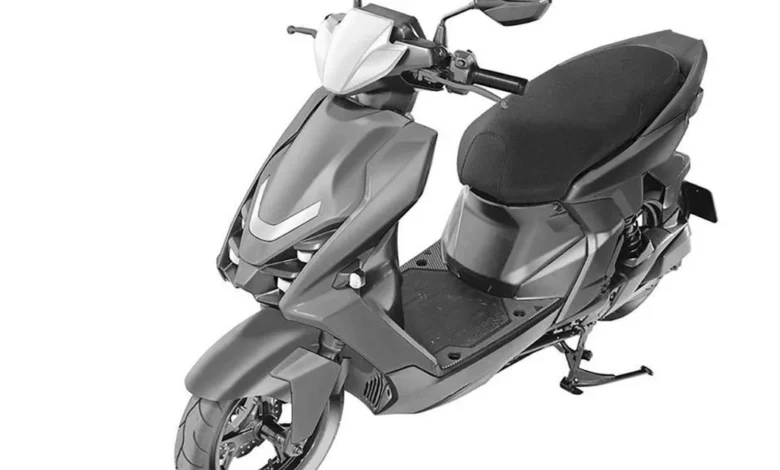
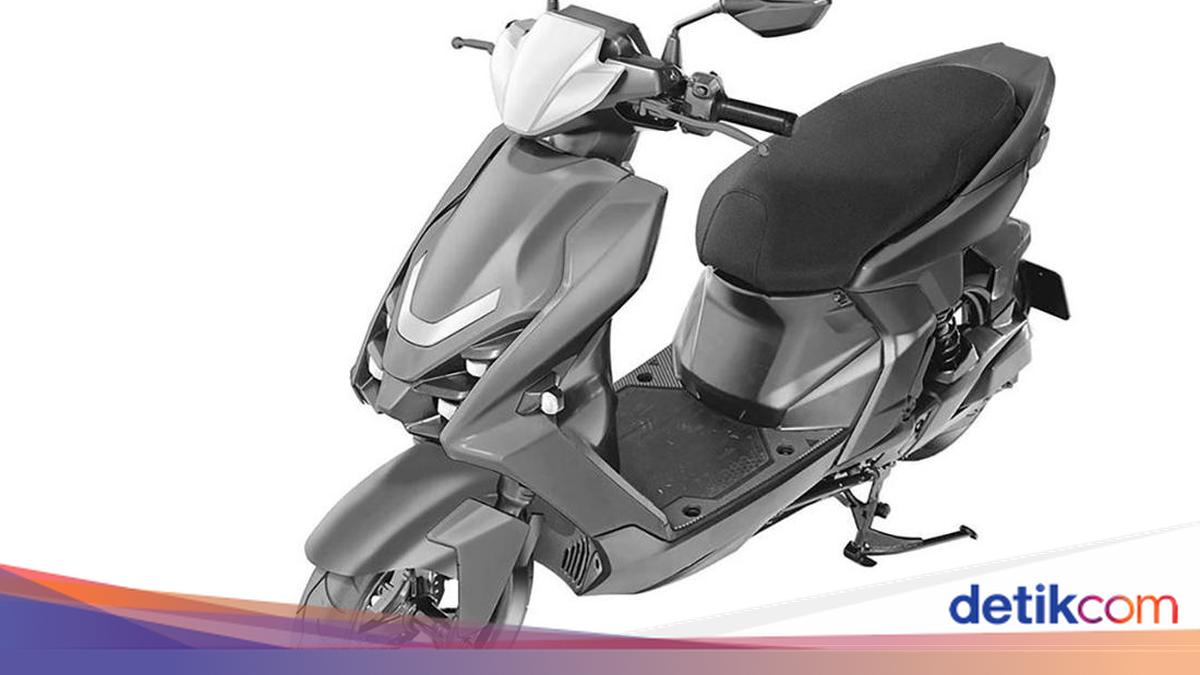
The design patent reveals a scooter that embraces a contemporary aesthetic, characterized by sharp, angular body lines that impart a sense of modernity and dynamism. Despite its futuristic appearance, the overall design appears to prioritize simplicity and practicality, making it suitable for the demands of daily commuting. The front fascia is particularly striking, featuring an aggressive stance with dual headlamps and distinctive V-shaped LED daytime running lights (DRLs). A small, transparent windscreen adds a touch of sportiness, complemented by angular mirrors that further enhance the scooter’s aggressive yet refined look.
The patent drawings indicate that the electric scooter will be equipped with 12-inch alloy wheels, a common size for urban scooters, offering a balance of agility and stability. The braking system appears robust, with visible disc brakes on both the front and rear wheels, suggesting a focus on rider safety and control.
Yamaha has clearly designed this scooter with commuter functionality in mind. Evidence for this includes a generously sized, single-piece seat, designed to offer ample comfort for both rider and passenger. The inclusion of a flat floorboard (flat deck) is another practical feature, providing convenient space for carrying small items or offering a comfortable leg position for longer rides. The rear grab handle is integrated seamlessly into the bodywork, maintaining the scooter’s sleek profile while ensuring a secure grip for a pillion rider.
In terms of technology and convenience features, the patent hints at a well-equipped package. Anticipated features include a front storage compartment, a USB port for charging mobile devices, and a rectangular digital instrument cluster, providing riders with clear and concise information. The inclusion of a keyless ignition system would further enhance the user experience, offering convenience and a modern feel. Smartphone connectivity is also a strong possibility, allowing riders to integrate their devices for navigation, music, or accessing vehicle diagnostics, aligning with the increasing trend of connected mobility solutions.
Powertrain and Battery Configuration
While official specifications are yet to be released, the patent drawings provide insights into the scooter’s powertrain. The motor is depicted as being mid-mounted, a configuration that typically offers good weight distribution and handling characteristics. Power is likely to be transferred to the rear wheel via a belt drive system, a common and reliable method in modern scooters.
A significant detail revealed in the patent is the battery placement. It is strongly suggested that the scooter will utilize a removable battery system, likely housed beneath the seat. This approach offers considerable advantages for urban users, enabling easy battery swapping for continuous use or convenient charging at home or the office without needing to bring the entire scooter to a charging point. This configuration differs from Yamaha’s EC-06, which features a permanent battery, but aligns more closely with the conceptual design of the Aerox-E, suggesting a refined approach to their electric offerings. The placement of the battery under the seat also contributes to the scooter’s low center of gravity, potentially enhancing its stability and maneuverability.
Suspension and Performance Expectations
For ride comfort, the scooter is expected to feature a telescopic suspension system at the front, a standard and effective setup for absorbing road imperfections. At the rear, dual shock absorbers are anticipated. The patent drawings suggest a slightly forward-mounted position for the rear suspension units. This placement could be a deliberate engineering choice to accommodate the weight of the battery located beneath the seat, ensuring optimal weight distribution and suspension performance.
Although Yamaha has not disclosed specific power output or battery capacity figures, industry analysts predict that the performance of this new electric scooter will be comparable to that of a 125cc gasoline-powered scooter. This positioning would make it a compelling option for riders seeking an eco-friendly alternative without compromising on everyday usability and performance. If brought to mass production, this model could serve as Yamaha’s potent new entry into the competitive entry-level electric scooter market, directly challenging existing players and attracting a new segment of environmentally conscious consumers.
Market Context and Yamaha’s Electrification Strategy
The development of this new electric scooter is not an isolated event but rather a strategic move within Yamaha’s broader electrification roadmap. In recent years, Yamaha has been increasingly vocal about its commitment to developing and introducing a range of electric two-wheelers. This includes their ongoing research and development into battery technology, motor efficiency, and integrated smart systems. The company has set ambitious goals for reducing carbon emissions across its product line, with electrification playing a central role in achieving these targets.
Yamaha’s recent launch of the Aerox E electric scooter in the Indian market, priced at INR 281,600 (approximately USD 3,400), signals their serious intent to compete in key emerging EV markets. While the Aerox E is a premium offering, the newly patented scooter appears to be positioned for a broader, potentially more global, entry-level segment. This dual approach allows Yamaha to cater to different market demands and price points within the rapidly expanding electric two-wheeler landscape.
The global electric scooter market is projected for significant growth in the coming years. According to various market research reports, the market is expected to expand at a compound annual growth rate (CAGR) of over 10% from 2023 to 2030. Factors driving this growth include stricter emission regulations, increasing fuel prices, rising consumer awareness about environmental issues, and supportive government policies such as subsidies and tax incentives for electric vehicle purchases. Cities worldwide are also actively promoting the adoption of electric mobility to combat air pollution and traffic congestion, creating a favorable environment for manufacturers like Yamaha to introduce new electric models.
Yamaha’s entry into this segment with a potentially well-designed and feature-rich scooter could significantly influence market dynamics. The company’s reputation for quality, reliability, and performance, built over decades of producing iconic gasoline-powered motorcycles, provides a strong foundation for its electric vehicle ventures. By leveraging its extensive dealer network and brand loyalty, Yamaha is well-positioned to capture a substantial market share.
Potential Implications and Future Outlook
The implications of Yamaha’s move are far-reaching. For consumers, it signifies increased choice and competition in the electric scooter market, potentially leading to better products and more competitive pricing. For the industry, it reinforces the trend towards electrification and signals that major established manufacturers are committed to a future powered by sustainable mobility solutions.
The specific design elements highlighted in the patent, such as the removable battery and commuter-focused ergonomics, suggest that Yamaha is keenly aware of the practical needs of urban riders. This focus on user-centric design, combined with Yamaha’s engineering prowess, could result in an electric scooter that not only meets but exceeds consumer expectations.
The success of this new model will likely depend on several factors, including its final pricing, real-world range and charging capabilities, performance metrics, and the availability of charging infrastructure in target markets. Yamaha’s ability to effectively market and distribute the scooter globally will also be crucial.
Looking ahead, this patent filing represents a significant step in Yamaha’s journey towards becoming a major player in the electric mobility space. It underscores their commitment to innovation and sustainability, and their ambition to shape the future of urban transportation. As the world continues to transition towards cleaner energy sources, Yamaha’s investment in electric two-wheelers is a testament to their forward-thinking strategy and their desire to remain at the forefront of the automotive industry. The coming months and years will undoubtedly reveal more details about this promising new electric scooter and its impact on the global market.