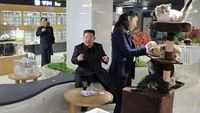
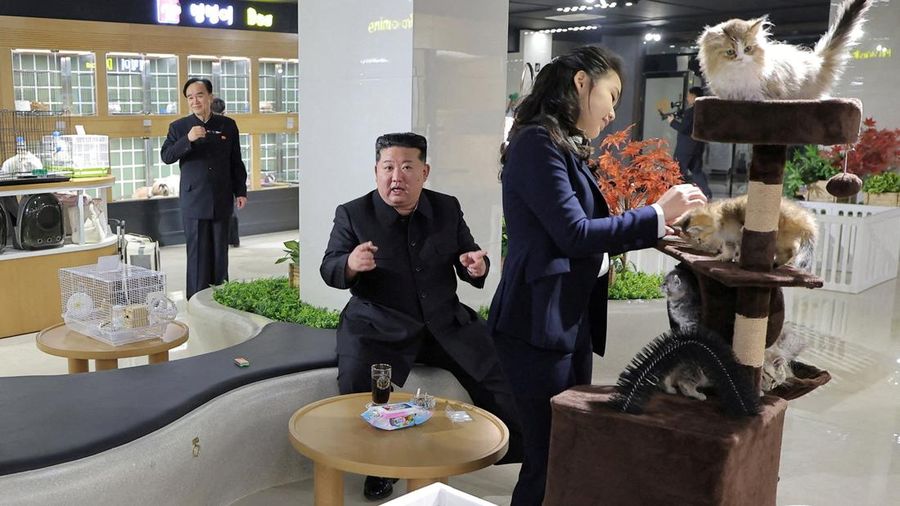
In a rare and carefully orchestrated display of domestic normalcy, North Korean leader Kim Jong Un was seen visiting a pet supply store in the newly developed Hwasong district of Pyongyang. Accompanied by his daughter, Kim Ju Ae, the state-sanctioned media release provided an unusual glimpse into the private life of the ruling family, juxtaposing the high-stakes political posturing typically associated with the regime against the backdrop of modern urban development. The images, distributed by the state-run Korean Central News Agency (KCNA), captured a lighter side of the leadership, with Kim Jong Un cradling a white dog and his daughter interacting with cats, marking a departure from the usual military-centric imagery broadcast by Pyongyang.
Contextualizing the Hwasong Development Project
The visit to the pet shop was not merely a leisure activity; it served as a symbolic endorsement of the massive Hwasong residential project. Since its inception in 2022, the Hwasong district has been presented as a flagship for North Korea’s architectural and social progress. The district is slated to house approximately 40,000 apartments, designed to improve the standard of living for the capital’s elite and middle-class residents.
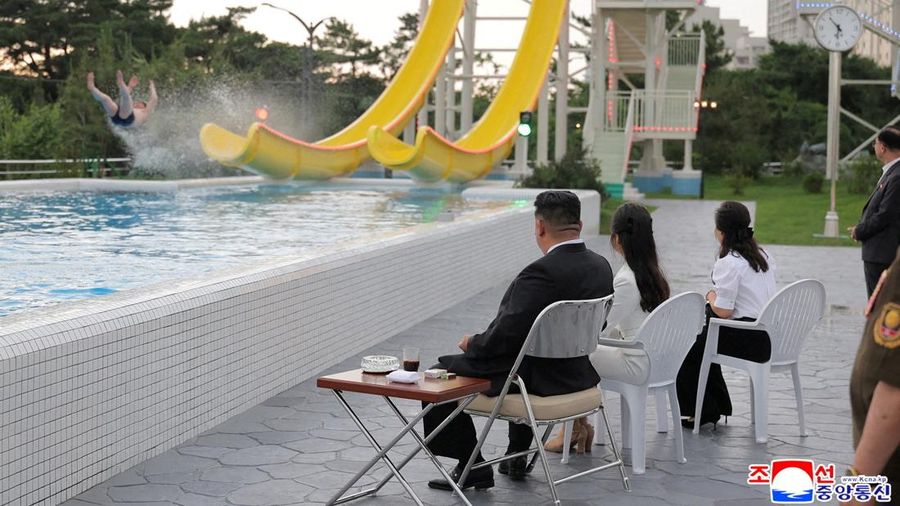
The development is part of a broader, long-term initiative by the Worker’s Party of Korea to revitalize the urban landscape of Pyongyang. By integrating commercial spaces—such as pet shops, modern salons, and indoor swimming pools—into residential sectors, the regime aims to project an image of a "civilized and socialist" lifestyle that mimics the amenities found in major international metropolises. These facilities are intended to demonstrate that the North Korean state is capable of providing a high-quality, modern life for its citizens despite the crushing weight of international economic sanctions.
A Rare Glimpse of the First Family
The presence of Kim Ju Ae has been a subject of intense scrutiny by international observers since her first public appearance in late 2022. Initially introduced during a ballistic missile test, her public role has evolved significantly. By placing her in a setting as domestic and benign as a pet store, the regime is clearly attempting to soften the image of the leadership.
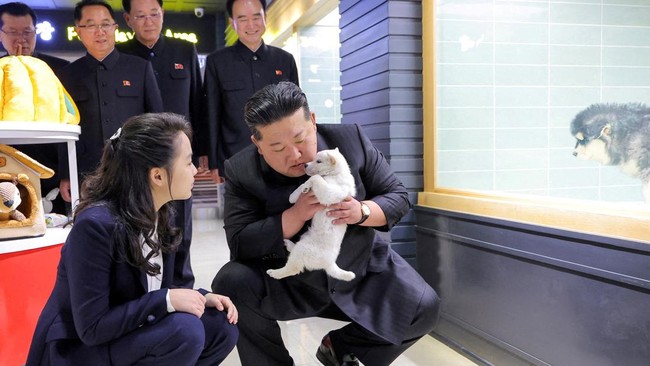
Analysts suggest that these public appearances are carefully managed to achieve two primary objectives: first, to normalize the concept of a multi-generational power structure, and second, to present the Kim family as benevolent figures who are deeply invested in the daily welfare of their people. The imagery of the leader holding a pet, while ostensibly simple, is a powerful tool in personality cult management, meant to resonate with the domestic audience as a sign of stability and approachable authority.
Chronology of Public Appearances
The inclusion of Kim Ju Ae in high-profile public events has followed a distinct trajectory:
- November 2022: Initial public debut at a Hwasong-17 intercontinental ballistic missile (ICBM) launch. This served to link the family name directly to the nation’s nuclear deterrent.
- February 2023: Appearance at a massive military parade, signaling a transition toward more ceremonial duties.
- Mid-2023 to 2024: Frequent sightings at agricultural, industrial, and infrastructure inspections. These visits shifted the narrative from military power to domestic development and economic management.
- September 2026: The current engagement at the Hwasong pet shop and commercial district, reinforcing the theme of "socialist civilization" and modern urban living.
Socio-Economic Implications and Public Perception
While the state media focuses on the gleaming new storefronts and the supposed prosperity of the Hwasong district, the reality for the average North Korean citizen remains starkly different. The juxtaposition between the luxury, or even the basic availability of pet supplies, and the chronic food insecurity that plagues rural provinces highlights the deep inequality inherent in the North Korean system.
From an economic perspective, these projects are highly resource-intensive. The construction of 40,000 units requires a massive diversion of labor, raw materials, and energy. For a country under strict United Nations Security Council sanctions, which limit the importation of construction machinery and specialized materials, the speed at which these buildings rise is often attributed to the "speed campaigns" driven by forced labor and the mobilization of youth brigades.
The visit also serves a tactical purpose for the regime: domestic morale. By showcasing a "civilized" environment where families can shop for pet food or enjoy a day at a pool, the state provides a distraction from the geopolitical tensions and the economic hardships induced by self-imposed COVID-19 border closures and persistent international isolation.
The Role of State-Controlled Media (KCNA)
The KCNA’s role in this narrative is pivotal. By choosing which images to release and which moments to highlight, the state dictates the public’s perception of the leader. The photos of the pet store were not spontaneous; they were curated to show a leader who is "connected" to the mundane, yet essential, aspects of modern life.
Historically, the North Korean regime has been highly sensitive about how the leader is portrayed. The shift toward a more "human" portrayal is a relatively recent phenomenon. During the reign of Kim Il Sung and Kim Jong Il, the leadership was often depicted as semi-divine, distant, and exclusively focused on the revolutionary struggle. Under Kim Jong Un, there is a visible move toward a more relatable, albeit still authoritarian, persona. This strategy is likely designed to increase the appeal of the regime to a younger generation of North Koreans who are increasingly aware of global lifestyles through illicit access to foreign media.
Analytical Perspectives: Why Now?
International security experts note that these visits to civilian facilities often occur in the shadow of major military tests. The timing of the Hwasong visit—during a period of increased regional tension—is likely deliberate. It serves as a form of "strategic hedging." By demonstrating that the regime is capable of building both missiles and modern pet shops, the government aims to project a sense of comprehensive strength.
Furthermore, the emphasis on "hygienic and civilized" environments suggests a push for internal discipline. The regime often links the modernization of the physical environment with the "modernization" of the North Korean mind. By promoting clean, well-stocked stores, the state is implicitly pressuring citizens to maintain these high standards of order and cleanliness, effectively using architecture as a tool for social control.
Future Outlook and Policy Impact
The prominence of Kim Ju Ae suggests that the leadership is already preparing for the long-term continuity of the Kim dynasty. Every public appearance, whether at a missile silo or a pet shop, reinforces her position within the regime’s hierarchy. While there is no official confirmation regarding her status as a successor, the frequency of these outings makes it clear that she is being groomed for a significant role in the state’s future.
As North Korea continues to balance its nuclear ambitions with the need for domestic economic development, the public will likely see more of these carefully curated domestic scenes. The Hwasong district is merely the beginning of an ambitious urban expansion plan. The question remains, however, whether the state can sustain the growth of such "model districts" while the broader economy continues to struggle under the weight of sanctions and structural inefficiencies.
For the international community, these developments serve as a reminder that the North Korean state is a complex entity that manages its public image with surgical precision. While the world watches for the next missile launch, the regime is simultaneously managing the internal narrative of a nation moving toward a "modernized" future—one where even the leader’s daughter can be seen playing with kittens in a state-approved pet shop, safely removed from the realities of the geopolitical firestorm the country continues to stoke.
Ultimately, the Hwasong visit is a microcosm of the North Korean state’s current strategy: it is a display of power, a gesture of domestic normalization, and a subtle signal to the international community that the regime remains in complete control of both its military trajectory and its domestic social landscape. As the project in Hwasong expands, it will continue to serve as the regime’s primary showroom, projecting an image of progress to both its own people and the world beyond its borders.
Related posts: