XLSmart Officially Launches 5G Network in Palembang to Bolster Digital Connectivity and Economic Growth

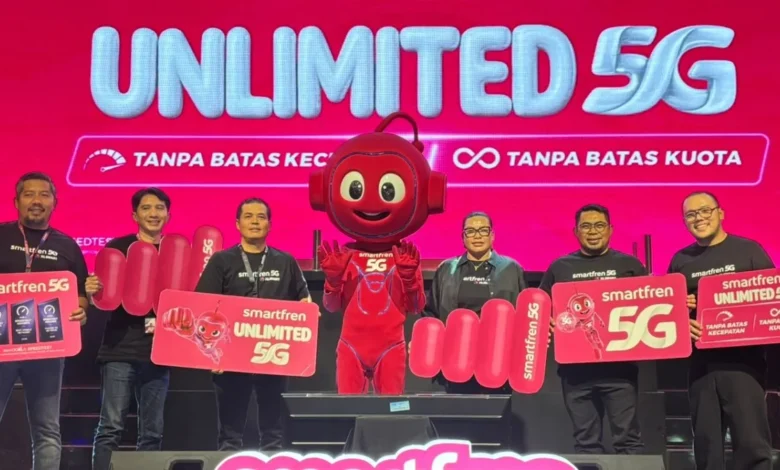
The landscape of digital connectivity in South Sumatra reached a significant milestone on September 9, 2026, as XLSmart officially inaugurated its 5G network infrastructure in the city of Palembang. This strategic deployment marks a critical step in the company’s nationwide effort to accelerate the digital transformation of Indonesia’s urban centers. By integrating advanced 5G capabilities with its existing robust 4G infrastructure, XLSmart aims to provide high-speed, low-latency internet access to support the growing demands of Palembang’s commercial, educational, and residential sectors.
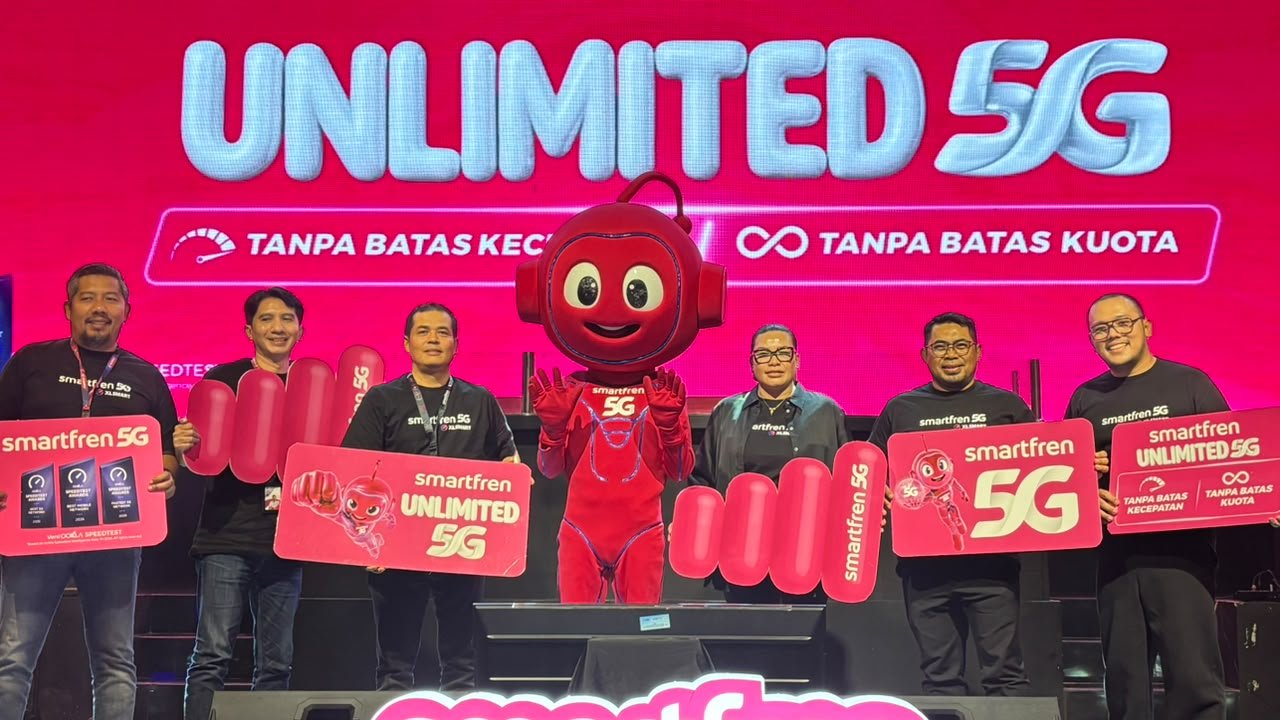
To complement the network expansion, the company has introduced a specialized "Unlimited 5G" service tier. This offering is designed to provide subscribers with unrestricted data consumption and high-speed internet, capable of reaching throughputs of up to 500 Mbps, subject to local network conditions, hardware compatibility, and device specifications. The launch represents a concerted effort by XLSmart to leverage the synergies created following the monumental merger of XL Axiata and Smartfren in 2025, positioning the combined entity as a formidable leader in the national telecommunications market.
Infrastructure Expansion and Technical Specifications
The rollout of 5G in Palembang is not an isolated development but rather a massive infrastructure project involving the integration of over 330 dedicated 5G base transceiver stations (BTS). These new installations operate in tandem with more than 1,300 existing 4G BTS units, ensuring a seamless transition for users moving between connectivity zones.
The technical backbone of this deployment relies on a multi-band strategy, specifically utilizing the 700 MHz and 2.6 GHz frequency spectrums. The 700 MHz band is particularly crucial for its propagation characteristics, offering superior indoor penetration and wider geographic coverage, which is essential for reaching dense residential areas and complex urban architecture. Conversely, the 2.6 GHz band provides the necessary capacity to handle high-density traffic, which is vital for the bustling business districts and public venues that define Palembang’s economic core.
This dual-band approach is designed to mitigate the common challenges of urban connectivity, such as signal attenuation in high-rise buildings and congestion during peak hours. By optimizing these frequencies, XLSmart intends to provide a consistent user experience that supports everything from basic web browsing to bandwidth-intensive applications like real-time cloud computing, 4K video streaming, and industrial IoT applications.
Strategic Objectives and Market Positioning
The decision to prioritize Palembang as a key 5G hub stems from the city’s status as a critical economic pillar in Southern Sumatra. As a center for trade, government administration, and education, Palembang has seen an exponential increase in data consumption driven by the rise of the digital economy, including local startups, MSMEs (Micro, Small, and Medium Enterprises), and a burgeoning creative industry.
Astiyanto Tri Muktiwibowo, Group Head of Marketing Segment for Smartfren XLSmart, emphasized that the deployment is a fulfillment of the company’s long-term commitment to bridging the digital divide. "The arrival of the XLSmart 5G network in Palembang is a core component of our broader strategy to extend high-quality connectivity across Indonesia. We are ensuring that the advancements in telecommunications technology translate into tangible benefits for the local population, empowering businesses to innovate and students to access global information," said Astiyanto.
From a competitive standpoint, the launch also serves as a testament to the success of the 2025 merger. By consolidating resources, research, and spectrum allocations, the new entity has successfully scaled its operations to cover more than 50 cities and regencies across the archipelago. This scale has allowed the company to maintain a competitive edge, underscored by their recent recognition in the H1 2026 Ookla Speedtest Awards, where they secured titles for Best Mobile Network, Best 5G Network, Fastest 5G, and Best 5G Video Experience in Indonesia.
The Unlimited 5G Service Model
With the network infrastructure in place, the introduction of the Unlimited 5G service provides a clear monetization and utility path for consumers. The service offers subscription durations of 7, 14, and 28 days, allowing for flexibility based on user needs. While the service is marketed as "unlimited," the company maintains standard industry practices regarding fair usage policies (FUP) to ensure network integrity for all users.
Regional Group Head of Southern Sumatra for XLSmart, Desy Sari Dewi, highlighted that the service is built to be an enabler for the local workforce. "Palembang is a city with a dynamic economic pulse. Our goal is to ensure that our network capacity and quality evolve in lockstep with the community’s needs. Whether for remote professional collaboration, online education, or digital content creation, this network is built to handle the future of digital interaction," noted Desy.
Broader Economic and Social Implications
The introduction of 5G is expected to have a ripple effect on Palembang’s economic trajectory. In many urban centers, the shift from 4G to 5G is characterized not just by faster downloads, but by the enabling of "Smart City" initiatives. The increased capacity allows local governments and private enterprises to deploy more sophisticated monitoring and management systems for public infrastructure, traffic control, and emergency services.
Furthermore, for the creative sector—a significant driver of growth in the region—the availability of high-speed, low-latency mobile internet removes technical barriers to entry. Content creators can now engage in high-quality live streaming and cloud-based editing without the frustration of bandwidth bottlenecks. Similarly, for the education sector, the 5G network facilitates an immersive learning environment, supporting augmented reality (AR) and virtual reality (VR) tools that were previously impractical over standard mobile connections.
Looking Ahead: The Road to National Connectivity
As of September 2026, the company operates a massive network of over 265,000 BTS, serving a subscriber base exceeding 69.4 million. The phased rollout of 5G across the nation is not merely a technical upgrade but a foundational shift in how the country interacts with the digital world. The company’s "Jagoan Sinyal Se-Indonesia" initiative serves as the philosophical umbrella for these efforts, emphasizing reliability and coverage as the primary pillars of their service delivery.
The deployment in Palembang serves as a pilot model for future expansions into other secondary cities. By learning from the deployment patterns in this region—specifically regarding the interaction between 700 MHz and 2.6 GHz bands—XLSmart is refining its rollout methodology. This systematic approach reduces the risk of service degradation and ensures that when 5G reaches more remote areas, it arrives with a level of stability and speed that matches the user experience found in major metropolitan hubs like Jakarta or Surabaya.
In conclusion, the launch of 5G in Palembang represents a significant leap forward for the region’s digital infrastructure. By combining cutting-edge frequency management, a robust service model in the form of Unlimited 5G, and a clear vision for socioeconomic enablement, XLSmart is effectively setting a new standard for connectivity in Indonesia. As the network continues to stabilize and expand, the residents and businesses of Palembang are poised to benefit from an environment where digital limitations are increasingly a thing of the past, paving the way for a more connected and innovative future.
The company has advised residents that to access these services, they must ensure their hardware is 5G-compatible and that the appropriate 5G settings are enabled on their mobile devices. As the rollout continues, the impact of this infrastructure will likely be measured by the increased digital participation of the local populace and the overall growth in regional digital-native business activity.