South Korea’s Captivating Landscapes: A Journey Through K-Drama Inspired Destinations

South Korea has emerged as a preeminent tourist destination, drawing significant interest from international travelers, particularly from Indonesia. This surge in popularity is undeniably linked to the global phenomenon of South Korean dramas (K-dramas), which have not only captivated audiences but also showcased the nation’s stunning locales. These dramas often feature picturesque backdrops that inspire wanderlust, prompting many to seek out these very spots. Beyond their aesthetic appeal, these locations offer a tangible connection to the narratives that have resonated with millions worldwide. This article delves into some of the most compelling tourist attractions in South Korea, highlighting their unique charm and their celebrated roles in popular K-dramas, thereby offering a comprehensive guide for prospective visitors.
Geonbae: The Vibrant Heartbeat of Seoul’s Nightlife
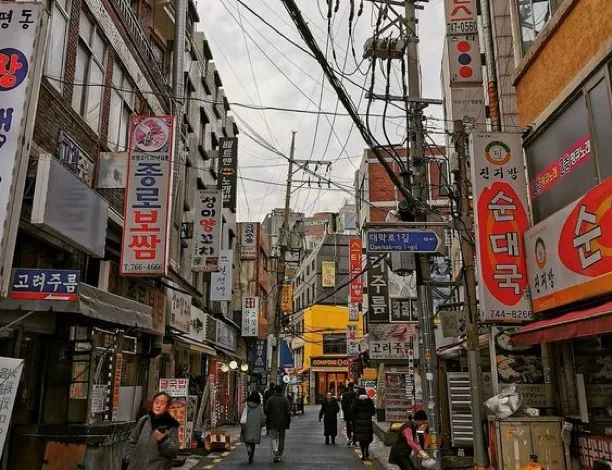
For those seeking to immerse themselves in the dynamic pulse of a metropolitan cityscape, Geonbae presents an unparalleled experience. This bustling street, characterized by its vibrant array of drinking establishments lining both sides, embodies the quintessential urban energy of South Korea. The visual spectacle of Geonbae is striking, exuding a palpable sense of city life that is both invigorating and infectious. Its appeal is universal and perennial; the street remains a hive of activity at all hours, drawing a diverse crowd comprising local residents and international tourists alike. This constant flow of people contributes to its lively atmosphere, making it a prime location for experiencing Seoul’s contemporary social scene.
Geonbae’s significance extends beyond its immediate visual appeal. It serves as a microcosm of South Korea’s evolving social landscape, where traditional elements often blend seamlessly with modern influences. The concentration of bars and pubs caters to a wide range of preferences, from sophisticated cocktail lounges to more casual, traditional Korean pubs known as "pojangmacha." This diversity ensures that visitors can find an atmosphere that suits their mood and taste. The street’s accessibility and continuous activity make it a reliable choice for those looking to explore Seoul’s nightlife, offering a chance to interact with locals and fellow travelers in a lively, convivial setting. Its presence in numerous K-dramas, often depicting characters sharing moments of camaraderie, reflection, or even dramatic confrontations, has further cemented its status as an iconic urban landmark. The visual cues – the neon lights, the animated crowds, the distinctive architecture of the establishments – are instantly recognizable to fans, transforming a simple street into a cherished set piece.
Daehakro: South Korea’s Cultural Artery and Theatrical Hub
Stepping into Daehakro is akin to entering a living, breathing testament to South Korea’s rich artistic heritage. This renowned street, stretching approximately 1.6 kilometers, is often likened to the iconic Broadway in the United States, and for good reason. Daehakro is a vibrant cultural artery, pulsating with the energy of artistic expression. The thoroughfare is punctuated by a multitude of arts venues, many of which remain active and integral to the nation’s cultural landscape. These include theaters, galleries, and performance spaces that continuously host a diverse spectrum of artistic endeavors.
The performances found in Daehakro are as varied as they are captivating, encompassing traditional Korean theater, contemporary plays, musicals, and experimental performances. This concentration of artistic activity has made Daehakro a vital hub for creativity and a pilgrimage site for art enthusiasts. The street itself often becomes a stage, with street performers and impromptu artistic displays adding to the dynamic atmosphere. For K-drama enthusiasts, Daehakro offers a direct link to narratives that often explore themes of ambition, artistic struggle, and the pursuit of dreams. Scenes set in theaters, backstage areas, or even character studies involving aspiring artists frequently find their inspiration and filming locations within this district. The visual narrative of Daehakro, with its poster-adorned walls, bustling theater lobbies, and the palpable sense of creative endeavor, resonates deeply with the aspirational storylines common in K-dramas.
Beyond its theatrical significance, Daehakro also boasts a rich history. Its development as an artistic hub dates back several decades, evolving from a district associated with universities to a dedicated space for cultural institutions. This evolution reflects South Korea’s broader commitment to fostering the arts and preserving its cultural identity. The area is also surrounded by educational institutions, contributing to a youthful and intellectually vibrant atmosphere. Cafes, bookstores, and small shops catering to students and artists further enhance its unique character. The presence of these elements in K-dramas often signifies a character’s intellectual curiosity, artistic passion, or their journey of self-discovery.

Starfield Library: A Monument to Knowledge and Architectural Grandeur
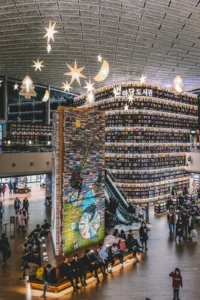
For travelers seeking an experience that transcends the conventional, the Starfield Library, located within the COEX Mall in Seoul, offers a truly unique and awe-inspiring destination. This expansive public library is not merely a repository of books; it is a breathtaking architectural marvel and a testament to South Korea’s commitment to knowledge and public spaces. Visitors are immediately struck by the sheer scale of the library, with its towering bookshelves that reach an impressive height of 13 meters, creating a visually stunning and almost cathedral-like atmosphere.
The Starfield Library houses an extensive collection, reportedly comprising over 50,000 books and publications, encompassing a wide array of genres, from fiction and non-fiction to magazines and digital content. This comprehensive collection makes it one of the most well-stocked libraries in Seoul, offering something for every reader and researcher. The design of the library emphasizes openness and accessibility, with comfortable seating areas strategically placed throughout, inviting visitors to linger, read, and absorb the tranquil ambiance. Natural light floods the space through large windows, further enhancing its serene and welcoming character.
The library’s role in popular K-dramas has significantly amplified its allure for international tourists. Its distinctive, almost otherworldly aesthetic has made it a favored filming location for scenes depicting moments of intellectual pursuit, quiet contemplation, or pivotal plot developments. The iconic image of characters surrounded by towering shelves of books has become synonymous with the library, drawing fans who wish to recreate these memorable scenes. Its presence often signifies intelligence, introspection, and the pursuit of understanding, themes that are frequently explored in K-drama narratives.
The integration of the Starfield Library within the COEX Mall also offers a practical advantage for visitors. This allows for a seamless combination of cultural exploration with shopping, dining, and entertainment. The mall itself is a major commercial hub, and the library serves as a tranquil oasis amidst the bustling retail environment. This juxtaposition of the modern commercial complex with the classical grandeur of the library creates a dynamic and engaging visitor experience. The library has become more than just a place to read; it is a destination in its own right, a symbol of Seoul’s sophisticated urban culture and its embrace of both intellectualism and aesthetic beauty.
Beyond the Spotlight: Exploring Other K-Drama Inspired Havens
While Geonbae, Daehakro, and Starfield Library stand out as prominent K-drama inspired destinations, South Korea offers a plethora of other locations that have captured the hearts of viewers and travelers alike. These include:
N Seoul Tower: A Romantic Icon
Perched atop Namsan Mountain, the N Seoul Tower is an indispensable landmark in Seoul, famous for its panoramic city views and its iconic "love locks" tradition. This romantic spot has been the backdrop for countless K-drama scenes, particularly those involving couples expressing their affection. The tower’s observation decks offer breathtaking vistas, especially at sunset and nighttime, making it a popular destination for both tourists and locals seeking a romantic outing. The sheer number of padlocks attached to the fences surrounding the tower, each symbolizing a committed relationship, creates a unique and touching visual spectacle. K-dramas often utilize the tower to signify the burgeoning romance between characters, or as a place for heartfelt confessions and proposals. The feeling of being on top of the world, with the sprawling city lights twinkling below, creates an undeniably cinematic experience.
Bukchon Hanok Village: A Glimpse into Traditional Korea
For a journey back in time, Bukchon Hanok Village offers an immersive experience into traditional Korean architecture and lifestyle. This charming neighborhood, nestled between Gyeongbok Palace and Changdeok Palace, is characterized by its well-preserved "hanok" (traditional Korean houses). Wandering through its narrow, winding alleys, visitors can admire the distinctive tiled roofs, wooden beams, and stone walls that define this historical district. Bukchon has served as a filming location for numerous K-dramas, particularly those set in historical periods or featuring characters who appreciate traditional aesthetics. The serene atmosphere, punctuated by the gentle rustling of leaves and the distant sounds of city life, provides a stark contrast to the modern urban sprawl, making it a favored setting for scenes emphasizing tranquility, heritage, and familial bonds. Many of the hanok have been converted into guesthouses, tea houses, and cultural centers, allowing visitors to experience traditional Korean hospitality firsthand.

Garden of the Morning Calm: Nature’s Serene Canvas
Located in Gapyeong, the Garden of the Morning Calm is a horticultural masterpiece that has graced the screens of many beloved K-dramas. This expansive botanical garden features meticulously landscaped themed gardens, each offering a unique visual narrative. From the vibrant floral displays in spring and summer to the serene beauty of snow-covered landscapes in winter, the garden provides a breathtaking natural backdrop throughout the year. Its tranquil ponds, winding pathways, and diverse flora have been instrumental in creating idyllic and emotionally resonant scenes in K-dramas, often depicting moments of reflection, healing, or romantic encounters amidst nature’s splendor. The garden’s dedication to showcasing the beauty of Korean flora and fauna makes it a vital part of the country’s cultural and environmental heritage.
Demilitarized Zone (DMZ): A Poignant Historical Site
While not typically associated with romance or lighthearted drama, the Demilitarized Zone (DMZ) separating North and South Korea has played a significant role in K-dramas that explore themes of conflict, separation, and reconciliation. Sites within the DMZ, such as the Joint Security Area (JSA) and the Third Infiltration Tunnel, offer a stark and moving reminder of the Korean War and the ongoing division of the peninsula. Dramas that delve into political intrigue, espionage, or the lingering effects of war often feature the DMZ as a critical narrative element. Visiting the DMZ offers a profound historical perspective and a somber understanding of Korea’s complex geopolitical reality. Guided tours provide insights into the history of the division and the efforts towards peace, making it an essential, albeit sobering, destination for those seeking a deeper understanding of the Korean experience.
The Broader Impact: Tourism and Cultural Diplomacy
The allure of K-dramas has undeniably propelled South Korea into a global tourism hotspot. The "Hallyu" wave, or Korean Wave, has transcended entertainment, fostering significant cultural exchange and economic growth. The visual storytelling inherent in K-dramas, with their carefully curated settings, effectively serves as a powerful form of cultural diplomacy. By showcasing the nation’s natural beauty, urban vibrancy, and rich cultural heritage, these dramas inspire curiosity and a desire to experience these locales firsthand.
The economic implications are substantial. The influx of tourists, driven by the desire to walk in the footsteps of their favorite characters, contributes significantly to the South Korean economy through accommodation, dining, shopping, and transportation expenditures. Furthermore, the popularity of these destinations encourages further investment in tourism infrastructure and the preservation of cultural sites. The phenomenon also extends to the promotion of Korean products, from fashion and beauty to food and technology, further amplifying the global reach of South Korean culture.
The symbiotic relationship between K-dramas and tourism is a testament to the power of storytelling in shaping perceptions and inspiring global engagement. As new dramas continue to captivate audiences worldwide, the appeal of South Korea as a travel destination is set to endure, offering an ever-expanding array of experiences that connect viewers to the magic of the screen and the reality of this dynamic nation. The continuous emergence of new filming locations and the enduring popularity of established ones ensure that South Korea remains a compelling destination for cultural exploration and immersive travel.