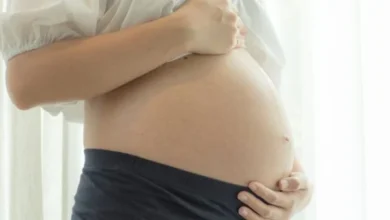
Understanding Brown Spots in Women: Causes, Health Implications, and Differentiating Between Menstruation and Pregnancy Signs


Brown discharge, often referred to as "flek cokelat" in clinical and colloquial terms, is a common gynecological occurrence that frequently prompts concern among women regarding their reproductive health. This phenomenon is characterized by the presence of small amounts of vaginal discharge tinged with old blood, which has undergone a process of oxidation. When blood remains in the uterus or takes longer to exit the vaginal canal, it is exposed to oxygen. This chemical reaction transforms the bright red hue of fresh hemoglobin into a brownish shade, a biological marker of "aged" blood. While often a benign byproduct of the natural menstrual cycle, the sudden appearance of brown spots can also serve as a critical diagnostic indicator for various physiological changes, ranging from early pregnancy and hormonal fluctuations to underlying medical conditions requiring clinical intervention.
The Biological Mechanism of Oxidation and Timing
To understand why discharge turns brown, one must look at the chemistry of menstruation and the rate of cervical flow. During a standard menstrual cycle, the uterine lining (endometrium) thickens in preparation for a potential embryo. If conception does not occur, this lining is shed. Fresh blood flows quickly and appears bright red. However, at the beginning or the very end of a period, the flow is often much slower. This sluggish transit allows the blood to react with the air and vaginal enzymes, leading to the oxidation of iron within the blood cells.
The timing of these spots provides essential clues for diagnosis. Generally, brown spots appear in five distinct scenarios:
- Pre-menstrual spotting: Occurring a few days before a full period, often as the progesterone levels begin to dip.
- Post-menstrual residual: The "cleaning out" phase where the last remnants of the uterine lining are expelled.
- Ovulatory spotting: Occurring mid-cycle (around day 14), often triggered by the sudden surge and subsequent slight drop in estrogen during the release of an egg.
- Post-coital spotting: Light bleeding after sexual intercourse, often due to cervical sensitivity or minor friction.
- Implantation bleeding: A sign of early pregnancy occurring when a fertilized egg attaches to the uterine wall.
Differentiating Between Spotting and Menstruation
A primary challenge for many women is determining whether brown spots constitute the start of a menstrual period or "spotting." In clinical practice, menstruation is defined by a consistent flow that typically requires the use of multiple sanitary products over three to seven days. In contrast, spotting—or metrorrhagia when it occurs between periods—is characterized by its light volume.
Medical data suggests that brown spots usually do not require the use of a standard pad; a pantyliner is typically sufficient. Furthermore, while menstruation involves the shedding of the functional layer of the endometrium, brown spots may simply be a localized reaction of the cervix or a minor hormonal "glitch." If the discharge does not transition into a heavier, redder flow within 24 to 48 hours, it is medically categorized as spotting rather than a true menstrual period.
Brown Spots as a Marker for Early Pregnancy
One of the most significant implications of brown discharge is its association with early pregnancy. Implantation bleeding is estimated to occur in approximately 15% to 25% of all successful conceptions. This event typically takes place 6 to 14 days after fertilization, which often coincides with the timeframe when a woman expects her next period.
Because the timing is so similar to the menstrual cycle, it is frequently misidentified. However, implantation bleeding is distinct in several ways:
- Duration: It usually lasts only a few hours to three days.
- Color: It is rarely bright red, tending instead toward light pink or rusty brown.
- Symptoms: It is often accompanied by secondary "early bird" pregnancy signs, such as breast tenderness, increased basal body temperature, mild cramping (milder than menstrual cramps), and unexplained fatigue.
Obstetricians recommend that women experiencing brown spots outside their usual cycle, especially those who are sexually active, perform a high-sensitivity urine pregnancy test. This is particularly vital if the spotting is followed by a missed period, as it helps rule out or confirm the presence of the Human Chorionic Gonadotropin (hCG) hormone.
Pathological Causes and Hormonal Imbalances
While the majority of brown spotting cases are physiological and harmless, a persistent or irregular pattern may indicate underlying health issues. Medical professionals categorize these into hormonal, structural, and infectious causes.
Polycystic Ovary Syndrome (PCOS):
PCOS is a leading cause of irregular spotting. In women with PCOS, an imbalance of reproductive hormones prevents the regular release of eggs (ovulation). This results in the endometrium becoming abnormally thick but unstable. Consequently, the lining may shed in small, irregular amounts, manifesting as brown spots instead of a regular period.
Endometriosis and Fibroids:
Structural issues within the reproductive system can also trap blood. In endometriosis, tissue similar to the uterine lining grows outside the uterus. This tissue still responds to hormonal changes and bleeds, but because the blood has no easy exit path, it can become old and dark before eventually being discharged. Similarly, uterine fibroids (benign growths) can interfere with the normal contraction of the uterine muscles, leading to prolonged, slow bleeding that appears brown.
Infections and Pelvic Inflammatory Disease (PID):
Inflammation of the cervix (cervicitis) or the vagina (vaginitis) due to bacterial vaginosis or sexually transmitted infections (STIs) like chlamydia and gonorrhea can cause the delicate tissues to bleed easily. When this occurs, the discharge is often accompanied by a foul odor, pelvic pain, or itching.
Hormonal Contraceptives:
The "breakthrough bleeding" phenomenon is a documented side effect of hormonal birth control, particularly progestin-only pills, intrauterine devices (IUDs), and contraceptive implants. During the first three to six months of use, the body adjusts to the exogenous hormones, which can cause the uterine lining to thin and shed unpredictably.
Lifestyle Factors and External Triggers
Beyond medical conditions, daily lifestyle factors play a significant role in the regularity of the uterine cycle. The hypothalamus-pituitary-ovarian (HPO) axis is highly sensitive to external stressors.
- Stress: High levels of cortisol can suppress the signals from the brain to the ovaries, leading to delayed ovulation or irregular shedding of the lining.
- Weight Fluctuations: Both rapid weight loss and obesity can disrupt estrogen production. Estrogen is stored in fat tissue; thus, an excess or deficiency can lead to an unstable endometrium.
- Physical Exertion: Intensive athletic training can lead to "exercise-induced amenorrhea" or spotting, as the body redirects energy away from reproductive functions.
Clinical Chronology and Diagnostic Approaches
When a patient presents with persistent brown discharge, healthcare providers typically follow a structured diagnostic timeline. The first step involves a detailed menstrual history to identify patterns.
- Phase 1: Physical Examination. A pelvic exam is conducted to check for visible lesions, polyps on the cervix, or signs of infection.
- Phase 2: Laboratory Testing. This includes pregnancy tests, thyroid function tests (as thyroid issues can cause spotting), and screenings for STIs.
- Phase 3: Imaging. If the cause remains unclear, a transvaginal ultrasound is utilized to visualize the thickness of the uterine lining and check for cysts or fibroids.
- Phase 4: Biopsy. In older women or those with high-risk factors, an endometrial biopsy may be performed to rule out endometrial hyperplasia or malignancy.
Implications and When to Seek Urgent Care
The broader implication of ignoring irregular brown spots is the potential delay in treating conditions that affect fertility and long-term health. For instance, untreated PCOS can increase the risk of Type 2 diabetes and cardiovascular disease, while undiagnosed endometriosis can lead to chronic pelvic pain and scarring of the fallopian tubes.
While occasional brown spots are rarely an emergency, the medical community emphasizes "red flag" symptoms that necessitate immediate consultation:
- Heavy Bleeding: If the spots turn into a flow that soaks through a pad in one hour.
- Severe Pain: Intense abdominal or pelvic cramping that does not respond to over-the-counter pain relief.
- Fever and Chills: Indicators of a systemic infection or Pelvic Inflammatory Disease.
- Post-Menopausal Spotting: Any bleeding or spotting after a woman has gone through menopause (12 consecutive months without a period) is considered abnormal and must be evaluated to rule out uterine cancer.
Conclusion and Future Outlook
The presence of brown spots is a nuanced signal from the female reproductive system. It serves as a visual record of the body’s internal timing and hormonal health. In the context of a healthy cycle, it is a routine sign of blood oxidation and uterine maintenance. However, as an indicator of pregnancy or a symptom of hormonal dysfunction, it requires careful observation.
As medical technology advances, the use of cycle-tracking applications and wearable health monitors is providing women with more data than ever before. This "quantified self" movement allows for the early detection of irregularities, enabling more proactive discussions with healthcare providers. Ultimately, understanding the difference between a normal physiological process and a symptom of an underlying condition is the cornerstone of reproductive wellness. Women are encouraged to maintain a "symptom diary" to provide clinicians with the necessary data to ensure that brown spots remain a minor footnote in their health journey rather than a precursor to a larger medical complication.