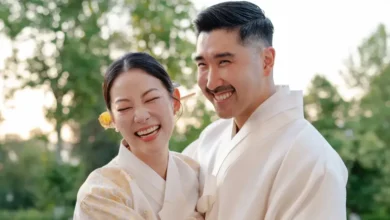
Momen Menuju Halal: Hana Malasan dan Sean Gelael Gelar Prosesi Sungkeman dan Siraman Penuh Haru dengan Balutan Busana Tradisional Elegan

The journey toward holy matrimony is often marked by a series of deeply rooted cultural traditions, and for Indonesian actress Hana Malasan and national racing driver Sean Gelael, this pre-wedding chapter has captured the public eye. Ahead of their highly anticipated wedding day, the couple formally embarked on the traditional pre-wedding rituals of sungkeman and siraman. Held separately due to customary pre-wedding protocols, these intimate yet deeply emotional ceremonies showcased the rich heritage of Indonesian culture, blending classic sartorial elegance with modern sophistication.
The sacred rituals, which mark the final spiritual and emotional preparations before officially uniting in marriage, were shared by the couple through their respective social media accounts, drawing immense praise, warm congratulatory messages, and widespread media attention. From the tearful embraces shared with parents to the meticulously crafted traditional attire, every detail of the celebration underscored the couple’s appreciation for cultural preservation amidst the modern landscape of celebrity weddings.
Main Facts of the Pre-Wedding Ceremonies
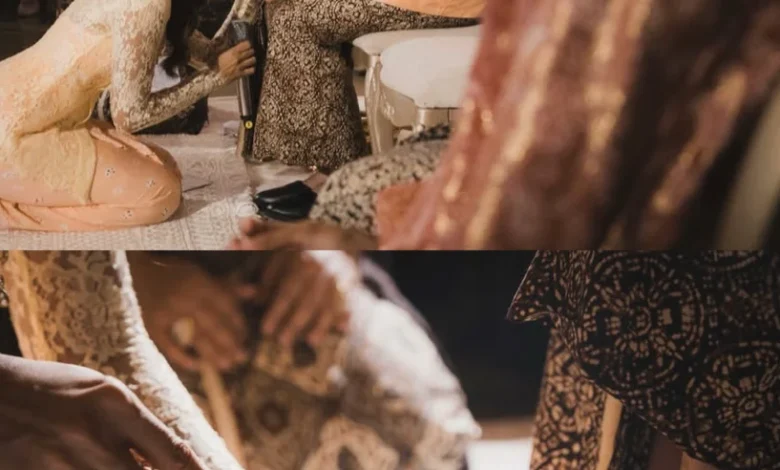
The pre-wedding festivities for Hana Malasan and Sean Gelael followed a series of traditional Islamic pre-wedding observances, including a pengajian (prayer gathering). Following the religious recitation, the couple proceeded with the customary sungkeman—a gesture of filial piety where the bride and groom ask for forgiveness and blessings from their parents—and the siraman, a ritualistic cleansing ceremony symbolizing the purification of the body and soul before entering married life.
Hana Malasan’s ceremonies were distinguished by a soft, warm aesthetic, with the bride and her immediate family donning traditional ensembles in harmonious peach hues. The emotional apex of Hana’s proceedings occurred during the sungkeman, where she was visibly moved, shedding tears of gratitude and reverence while embracing her father.
Meanwhile, at a separate location, Sean Gelael conducted his own sungkeman and traditional purification rites. Sean and his family opted for a regal and sophisticated blue color palette. The stark yet complementary visual themes between the bride and groom highlighted their individual styles while maintaining a cohesive traditional narrative. Both ceremonies proceeded smoothly, reflecting meticulous planning and a deep reverence for ancestral customs.
Chronology of the Traditional Rites
The progression of events leading up to Hana and Sean’s wedding aligns with classic Indonesian wedding customs, which serve to emotionally and spiritually prepare the couple for marriage. The timeline of the recent pre-wedding milestones demonstrates a structured approach to cultural integration within a contemporary celebrity wedding framework.
The sequence began days prior with the recitation of holy verses during the pengajian, a spiritual gathering meant to invite blessings upon the upcoming union. Following the spiritual prelude, the events transitioned into the deeply emotional sungkeman. Hana Malasan’s sungkeman session was characterized by profound intimacy. Surrounded by her father and two brothers—all dressed impeccably in classic beskap suits—Hana sought the blessings of her elders. Her brothers mirrored the formal wear of their father, establishing a unified familial aesthetic.
Following the emotional weight of the sungkeman, Hana transitioned into the siraman phase of the day. For this purification ritual, she shed her structured kebaya in favor of a traditional jumputan fabric draped gracefully underneath a magnificent cape fashioned entirely from fresh jasmine blossoms (ronce melati). Her hair was styled in a sleek, elegant arrangement adorned with a matching jasmine-flower bandana, a signature element of traditional Javanese bridal preparation that symbolizes purity, grace, and new beginnings.
Simultaneously, Sean Gelael partook in his respective pre-wedding rituals at a separate venue. True to the customs observed by many modern Indonesian grooms, Sean participated in the parental blessing ceremony alongside his mother and father. The Gelael family coordinated their visual presentation around sophisticated blue tones, creating a dignified atmosphere that balanced solemnity with celebratory joy.
Sartorial Elegance and Designer Details
Fashion has always played a pivotal role in high-profile Indonesian weddings, and Hana Malasan and Sean Gelael’s pre-wedding wardrobe selections offered a masterclass in modern traditional tailoring. Each garment was meticulously conceptualized and executed by prominent local designers, emphasizing the high caliber of Indonesia’s contemporary fashion industry.
For her primary ceremony ensemble, Hana Malasan wore an exquisite brocade kebaya crafted by renowned designer Rika Wirtjes. The delicate lace work of the kebaya was elevated by a striking golden brooch pinned at the center of the chest, adding a touch of regal splendor. This structured upper garment was paired seamlessly with a pastel-hued jumputan textile, a traditional tie-dye fabric that introduced soft textures and vibrant artistic heritage to her look. The peach color scheme extended across her entire family contingent, ensuring a visually harmonious photographic record of the occasion.
Sean Gelael’s attire was equally noteworthy, reflecting a blend of masculine heritage and modern bespoke tailoring. The racing driver wore an intricate floral-motif beskap created by Studio BOH, a contemporary Indonesian menswear label known for its avant-garde yet culturally respectful designs. The patterned beskap was paired with a classic brown batik wrap-around cloth (kain lilit), grounding the outfit in traditional Javanese menswear standards. Sean’s parents mirrored this sophisticated aesthetic, with his mother and father sporting coordinated floral-motif garments that anchored the family’s visual presentation in refined elegance.
Background Context: The Cultural Significance of Sungkeman and Siraman
To fully appreciate the coverage surrounding Hana Malasan and Sean Gelael’s pre-wedding events, one must understand the cultural weight these rituals carry within Indonesian society, particularly within Javanese and broader Nusantara traditions.
The sungkeman is widely regarded as one of the most emotionally resonant moments of any traditional Indonesian wedding sequence. It is designed to honor parents for their years of unconditional love, upbringing, and guidance. By kneeling before their parents and touching their feet or hands, the bride and groom express profound remorse for past missteps and ask for formal permission and blessings to build their own household. This act of humility is believed to pave the way for a blessed and harmonious marriage.
The siraman, on the other hand, derives its roots from ancient spiritual traditions. Translated literally as "showering" or "bathing," the ritual involves cleansing the prospective bride or groom with water mixed with various floral essences (air setaman) and traditional powders. The water is often sourced from multiple trusted family elders or historical wells, symbolizing purity, warding off bad luck, and washing away the impurities of single life. The use of jasmine garlands (ronce melati) further accentuates this symbolism, as jasmine holds deep philosophical meaning in Indonesian culture, representing sacredness, humility, and sincerity.
In recent years, high-profile figures and celebrities have increasingly chosen to incorporate these traditional ceremonies into their wedding itineraries. Far from being viewed as outdated, these rituals have undergone a modern renaissance, serving as a vital bridge connecting younger generations to their cultural roots while generating significant public engagement across digital platforms.
Implications and Broader Cultural Impact
The widespread public interest in Hana Malasan and Sean Gelael’s pre-wedding journey highlights the enduring cultural appetite for celebrity milestone coverage in Indonesia. However, beyond the entertainment value, events of this scale carry broader implications for local creative industries, particularly fashion, event planning, and cultural preservation.
Firstly, the prominent showcase of local designers such as Rika Wirtjes and Studio BOH provides invaluable exposure for Indonesian couture and bespoke tailoring. As public figures utilize their platforms to highlight domestic craftsmanship, consumer interest in traditional textiles—such as jumputan and batik—receives a significant boost. This resurgence supports local artisans, weavers, and textile producers who keep heritage techniques alive in a globalized marketplace.
Secondly, the transparent sharing of these intimate rituals via social media normalizes the celebration of heritage for younger demographics. By documenting the emotional reality of traditions like the sungkeman, public figures humanize these cultural practices, transforming them from rigid historical obligations into deeply personal, relatable experiences. This digital documentation fosters a sense of collective celebration, allowing fans and followers to partake in the joy of the upcoming nuptials.
As Hana Malasan and Sean Gelael move closer to their official wedding day, the success of their pre-wedding ceremonies sets a high standard for contemporary Indonesian nuptials—proving that modern romance and deep-seated cultural respect can coexist in magnificent fashion.
Related posts: