The Rise of Lifestyle Traveling: Why Modern Generations Value Experiential Investment Over Traditional Assets

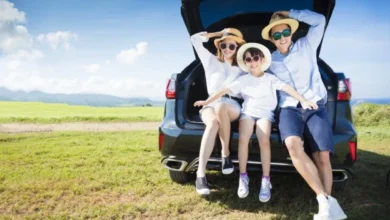
The paradigm of financial investment and personal fulfillment has undergone a dramatic shift over the past decade, particularly among Millennials and Generation Z. While past generations traditionally prioritized the accumulation of tangible assets—such as residential real estate, automobiles, and robust long-term savings accounts—contemporary youth increasingly view travel not merely as a periodic leisure activity, but as an essential lifestyle choice. This modern phenomenon, widely referred to as "lifestyle traveling," is underpinned by the philosophy that experiential investments yield a higher emotional and intellectual return than material possessions.
Economic and sociological shifts over the last ten to fifteen years have fundamentally altered how young adults perceive security and success. Historically, the post-education timeline followed a rigid trajectory: secure a stable job, purchase a home, buy a car, and accumulate monetary savings for retirement. However, the rapid escalation of urban real estate prices relative to median entry-level wages has made traditional milestones like homeownership increasingly unattainable for many young adults. Concurrently, the proliferation of digital technology, the rise of remote work cultures, and the democratization of global aviation have made international and domestic travel more accessible, affordable, and visually shareable than ever before.
Industry analysts and cultural sociologists point out that this evolution is also driven by a psychological pivot toward mindfulness and personal growth. The constant connectivity afforded by social media platforms exposes younger generations to diverse cultures, breathtaking landscapes, and alternative ways of living on a daily basis. This exposure cultivates an intrinsic desire to explore the world firsthand, transforming travel from an occasional vacation into a core component of personal identity. Rather than deferring gratification until retirement—a milestone that many young professionals view as distant and uncertain—current generations choose to optimize their youth for memorable experiences.
Financial experts and consumer behavior researchers have conducted numerous studies examining the long-term impacts of experiential spending. According to psychological research on consumer happiness, purchases that facilitate life experiences—such as travel, skill acquisition, and social events—tend to generate longer-lasting psychological satisfaction compared to material goods. Material items are subject to hedonic adaptation, a psychological phenomenon where the initial excitement of a new purchase rapidly fades as it becomes part of the daily routine. In contrast, travel yields enduring memories, fosters resilience, broadens worldviews, and contributes to a richer personal narrative that individuals can draw upon throughout their lives.
Despite the widespread enthusiasm for lifestyle traveling, successfully integrating continuous or frequent exploration into one’s life requires deliberate planning, mental fortitude, and adaptability. Travel industry veterans and seasoned backpackers emphasize that transitioning into a travel-centric lifestyle involves navigating uncertainties that standard tourists rarely encounter. To help aspiring modern explorers bridge the gap between aspiration and execution, several foundational strategies have emerged as best practices for lifestyle traveling.
Cultivating Mental Fortitude and Overcoming Hesitation
The primary barrier preventing individuals from adopting a travel-centric lifestyle is often psychological rather than financial. Many prospective travelers paralyze themselves by waiting for idealized financial milestones, believing they need substantial, risk-free savings before embarking on meaningful journeys. However, lifestyle travelers argue that waiting for absolute financial security can indefinitely postpone personal growth.
Embracing travel as a lifestyle demands courage—the willingness to step outside entrenched comfort zones and confront the unfamiliar. This does not imply reckless financial irresponsibility, but rather a shift in mindset regarding what constitutes necessary security. By learning to survive and thrive with fewer material comforts, individuals discover that the external world is rarely as perilous or intimidating as conventional societal narratives suggest. Taking calculated risks, such as booking a one-way ticket or allocating a modest travel fund, initiates a journey of self-discovery that traditional stability often fails to provide.
Navigating Uncertainty Through Flexibility and Adaptive Itineraries

A common pitfall for novice travelers is the inclination to over-plan every minute of an expedition. While structured itineraries offer a sense of control, rigid schedules frequently become sources of stress when inevitable disruptions occur—such as delayed transport, inclement weather, or unexpected local events.
Lifestyle traveling encourages a philosophy of fluidity: establishing a broad framework of destinations and objectives while remaining entirely receptive to local conditions. Unforeseen detours often lead to the most memorable cultural encounters and hidden gems. Travelers who rigidly adhere to a timetable risk overlooking authentic community interactions, local festivals, and spontaneous opportunities. Cultivating the ability to "go with the flow" transforms potential travel frustrations into enriching, unpredictable adventures.
Mastering Cross-Cultural Adaptability as a Core Competency
Perhaps the most critical skill required for sustainable lifestyle traveling is high adaptability. Navigating diverse geographical regions involves interacting with communities possessing distinct cultural norms, linguistic traditions, and social values. A successful lifestyle traveler must cultivate cultural humility, patience, and situational awareness.
Adapting to foreign environments extends beyond logistical adjustments; it requires active listening, respect for local customs, and a willingness to communicate across language barriers. Whether managing unexpected logistical hurdles in a remote rural village or learning the etiquette of a bustling metropolitan market, the ability to adapt seamlessly serves as an invaluable asset. These cross-cultural interactions not only facilitate smoother journeys but also foster profound empathy and a sophisticated global perspective.

Socioeconomic Implications and Future Outlook
The mainstream adoption of lifestyle traveling has generated significant economic ripples across the global tourism and hospitality sectors. Traditional resort tourism is increasingly being complemented—and in some segments surpassed—by alternative travel models, including digital nomadism, slow travel, and community-based tourism. Local economies in developing regions benefit directly from independent travelers who patronize local homestays, small-scale eateries, and regional transport providers, distributing economic benefits more equitably than centralized mass tourism.
Furthermore, the skills acquired through lifestyle traveling—such as cross-cultural communication, problem-solving under pressure, resourcefulness, and emotional resilience—are increasingly recognized and valued in the modern globalized workforce. Employers actively seek professionals who demonstrate adaptability and a global outlook, proving that the personal development gained on the road translates directly into professional competence.
Ultimately, lifestyle traveling represents a fundamental redefinition of wealth and achievement in the twenty-first century. By prioritizing experiential capital over material accumulation, modern generations are redefining what it means to lead a successful and fulfilling life. As infrastructure, remote work capabilities, and global connectivity continue to evolve, lifestyle traveling is poised to remain a defining cultural movement, shaping the worldviews of future generations and proving that the memories forged on the road are the most enduring investment one can make.
Related posts: