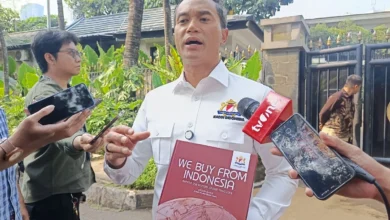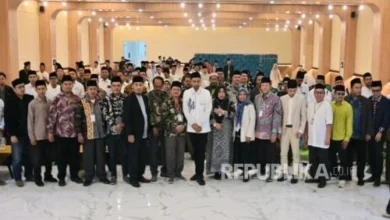
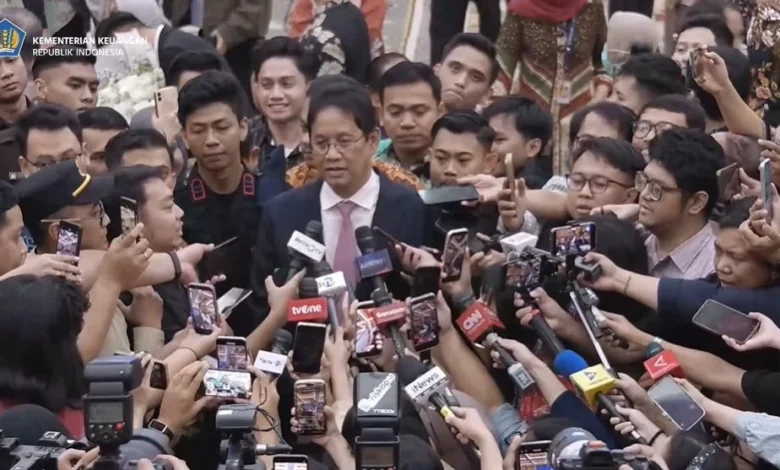
The transition of leadership within the Indonesian Ministry of Finance marked a significant turning point on Tuesday, September 15, 2026, as Purbaya Yudhi Sadewa officially concluded his tenure as the Minister of Finance. The ceremonial handover of duties (sertijab) to his successor, Suahasil Nazara, took place at the Djuanda I Building in Jakarta, signaling a major reshuffle in the nation’s economic cabinet. Following the departure of a figure who played a pivotal role in navigating Indonesia through complex fiscal challenges, public attention has turned to the future of the former minister, who has expressed a desire to retreat from the high-pressure environment of state administration.
A Career Defined by Fiscal Stewardship
Purbaya Yudhi Sadewa’s tenure as Minister of Finance was characterized by efforts to maintain fiscal discipline amidst global economic headwinds. Throughout his term, Purbaya was responsible for managing the State Revenue and Expenditure Budget (APBN), navigating the volatility of global commodity prices, and overseeing the nation’s tax reform agenda. His leadership was often tested by the need to balance post-pandemic recovery efforts with the necessity of maintaining a sustainable debt-to-GDP ratio.
The appointment of Suahasil Nazara as his successor is viewed by many market analysts as a continuity move. Nazara, who previously served in high-ranking positions within the Ministry of Finance, is expected to maintain the fiscal trajectory established by his predecessor, ensuring stability in investor confidence and sovereign credit ratings. The transition process, conducted with the typical formality of the Indonesian bureaucracy, underscored the stability of the ministry’s institutional framework despite the change in personnel at the top.
The Transition: Facts Behind the Departure
Following the handover ceremony, Purbaya addressed the media with a candid demeanor, offering insights into his post-ministerial life. His remarks, while punctuated with humor, highlighted the physical and mental toll associated with overseeing the national treasury.
1. The Decision to Retire from Public Office
Purbaya explicitly stated his intention to enter a period of retirement. He acknowledged that the rigorous demands of managing Southeast Asia’s largest economy had taken their toll. "I just want to retire; I am tired, and I am getting old," Purbaya remarked at the Djuanda I Building. This statement reflects a common sentiment among high-level technocrats in Indonesia who often spend decades in the public sector before choosing to step away entirely from government roles.
When pressed by reporters regarding whether he would host a formal celebration or thanksgiving event to mark his retirement, Purbaya responded with a characteristic quip: "I am retired now; I don’t have any money." While clearly said in jest, the comment resonated with the public as a reminder of the modest public image he maintained throughout his tenure.
2. A Shift Toward Simple Pleasures
Beyond the macro-economic policies and budgetary debates, Purbaya’s plans for his immediate future are remarkably modest. He shared that he intends to return to his private residence and spend his time fishing in his backyard pond. This shift from the complexity of national fiscal policy to the simplicity of domestic leisure serves as a stark contrast to the intensity of his former life.
For many observers, this transition symbolizes the completion of a duty cycle. The high-stakes environment of the Ministry of Finance often requires ministers to be on call 24/7, monitoring global market fluctuations and domestic policy implementation. The ability to "switch off" and focus on personal hobbies is a luxury that few in such positions are afforded during their tenure.
3. The Need for Rest and Recovery
The third major takeaway from his departure is the emphasis on personal well-being. Purbaya noted that he is looking forward to "sleeping soundly," a luxury that is frequently sacrificed when holding the most senior economic position in the government. The implication is clear: the stress of managing the nation’s coffers, especially during periods of inflation or global economic uncertainty, is an exhaustive endeavor that necessitates a significant period of decompression.

Contextual Background and Timeline of the Transition
To understand the significance of this transition, one must look at the timeline of events leading up to the September 15 handover. The decision to rotate leadership within the Ministry of Finance was part of a broader cabinet reorganization aimed at refreshing the administration’s economic team.
- Early August 2026: Initial reports of potential cabinet reshuffling began circulating in political circles, with analysts speculating on the future of key economic ministers.
- September 10, 2026: The Presidential Palace confirmed the upcoming change in the leadership of the Ministry of Finance.
- September 15, 2026: The official handover ceremony took place, marking the transition from Purbaya Yudhi Sadewa to Suahasil Nazara.
- Post-September 15, 2026: The focus shifted to the policy agenda of the new minister, while the public remained curious about the future of the outgoing minister.
This timeline reflects a smooth and well-managed transition, intended to minimize market volatility and ensure that the continuity of state services remains uninterrupted.
Economic Implications and Analyst Perspectives
The departure of Purbaya Yudhi Sadewa comes at a critical juncture for the Indonesian economy. As the country looks to boost foreign direct investment and accelerate infrastructure development, the Ministry of Finance remains the cornerstone of the government’s economic agenda.
Economists have noted that while Purbaya’s departure is significant, the institutional strength of the Ministry of Finance in Indonesia is robust. The transition to Suahasil Nazara is seen as a move to integrate deep technical knowledge with the existing policy framework. Market reactions to the news remained largely muted, which experts interpret as a sign of confidence in the continuity of Indonesia’s fiscal policy.
"The transition is not about a change in philosophy, but rather a change in management," stated an analyst from a prominent Jakarta-based think tank. "Purbaya’s legacy will be defined by his ability to maintain stability during a period of global economic transition. His decision to retire is a personal choice that follows a long and demanding period of public service."
Looking Ahead: The Legacy of a Technocrat
Purbaya’s tenure will be remembered for its adherence to the core tenets of prudent fiscal management. During his time in office, Indonesia faced various challenges, including the need to manage government subsidies, enhance tax collection efficiency, and support the digital transformation of the national economy.
As he steps away from the spotlight, the focus moves to his successor’s ability to handle emerging issues, such as the digital economy tax framework and the ongoing efforts to expand the tax base. However, for Purbaya, the focus has shifted entirely. His story serves as a reminder that behind the titles, budgets, and national policies, there are individuals who carry the weight of state governance and, eventually, seek the peace of a quiet life.
The transition at the Ministry of Finance is more than just a change in leadership; it is a reflection of the cyclical nature of public service. As Purbaya trades his ministerial suit for the quietude of his home and his fishing rod, he leaves behind a legacy of stability and a well-defined path for his successor to follow. His departure is a poignant example of the transition from the center of power to the tranquility of personal life, a journey that many public servants aspire to complete with dignity and a sense of accomplishment.
Conclusion
The retirement of Purbaya Yudhi Sadewa from the Ministry of Finance marks the end of a significant chapter in Indonesia’s economic history. His candid reflections on the pressures of the job, combined with his plans for a simple, quiet retirement, offer a humanizing perspective on the lives of those who steer the nation’s economy. With Suahasil Nazara now at the helm, the Ministry of Finance enters a new phase, tasked with building upon the fiscal foundation established during Purbaya’s tenure. As the nation moves forward, the focus remains on economic resilience, stability, and the continued professional management of the nation’s fiscal future. For Purbaya, however, the focus is rightfully on a long-overdue period of rest, recovery, and the simple joys of a life well-lived outside the corridors of power.