The Allure of Affordable Sporty Classics: Finding Your Dream Car for Around $30 Million Rupiah

Owning a car with a sporty aesthetic doesn’t necessitate a substantial financial outlay. The used car market offers a wealth of older, sporty vehicles priced around 30 million Indonesian Rupiah (approximately $1,900 USD at the time of writing), presenting compelling options with attractive designs, engaging driving dynamics, and manageable ownership costs. However, potential buyers must acknowledge that vehicles in this price bracket typically exceed 20 years of age. Consequently, the risk of mechanical issues is inherently higher compared to newer models, leading to significant variations in the condition of individual units. Therefore, a thorough inspection before purchase is an indispensable step.
The Resurgence of Affordable Performance: Why Older Sporty Cars Appeal
The appeal of older, sporty cars in the sub-$2,000 USD segment is multifaceted. For many automotive enthusiasts, these vehicles represent a gateway into classic car ownership without the prohibitive costs associated with more sought-after or rarer models. They offer a tangible connection to automotive history, a distinct visual identity that often stands out from contemporary designs, and a driving experience that prioritizes mechanical engagement over the sophisticated electronic aids found in modern vehicles. Furthermore, the burgeoning community of classic car owners and the availability of aftermarket parts, even for older models, contribute to their ongoing desirability. The economic climate, with rising new car prices and increasing living costs, also pushes more consumers to explore the used car market for value-driven alternatives. This trend is not unique to Indonesia, with similar phenomena observed in markets worldwide as individuals seek affordable ways to enjoy automotive passion.
Recommended Older Sporty Cars Under 30 Million Rupiah
For those in pursuit of a classic automobile that remains visually appealing and enjoyable to drive, several models warrant serious consideration. Each possesses distinct characteristics, allowing buyers to align their choice with specific needs and preferences.
Honda Civic Genio: A Timeless Sporty Sedan
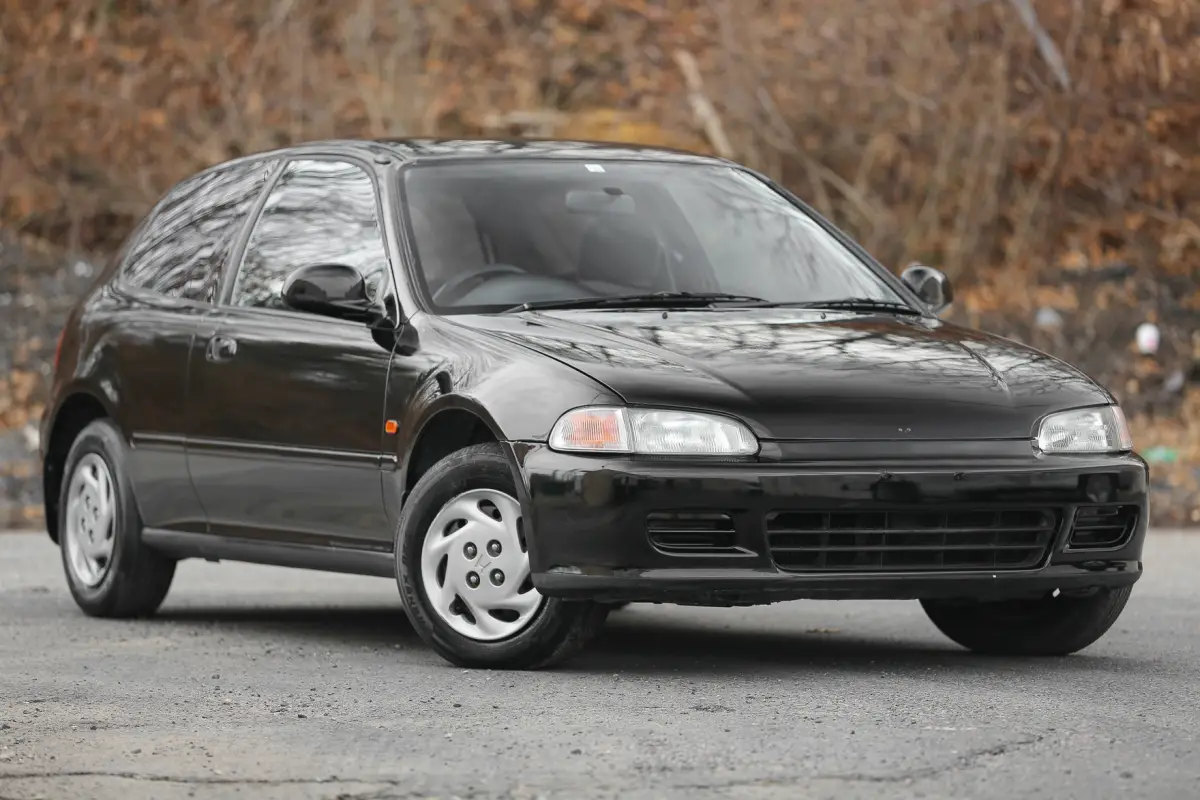
The Honda Civic Genio has cemented its status as a sought-after classic sedan, largely owing to its timeless sporty design that has gracefully weathered the passage of time. Its 1.6-liter SOHC engine is renowned for its responsive performance, making it suitable for both daily commuting and longer journeys.
Beyond its powertrain, the Genio boasts agile handling and a cabin that, even by modern standards, offers a respectable level of comfort. Anecdotal evidence from numerous owners highlights the existence of a large and active community, which significantly simplifies the process of finding maintenance references and aftermarket components. However, prospective buyers must diligently verify the condition of the suspension (kaki-kaki) and the engine’s cooling system before finalizing a purchase. Neglecting these crucial areas can lead to costly repairs.
The Civic Genio, produced from 1991 to 1995, belongs to the seventh generation of the Honda Civic lineup. Its design, characterized by clean lines and a slightly aggressive stance, was a departure from its predecessors and resonated with a generation seeking a more dynamic and youthful sedan. Its popularity in Indonesia during the 1990s ensures a strong aftermarket support network, a crucial factor for owners of older vehicles.
Toyota Starlet (Kotak/Kapsul): The Enduring Hatchback Icon
The Toyota Starlet continues to hold its position as a revered nameplate in the realm of older hatchbacks. Its compact body, coupled with a simple yet sporty design, particularly in the SE and GT variants, ensures its continued desirability among classic car enthusiasts.
Powered by engines ranging from 1.3-liter to 1.5-liter, the Starlet is celebrated for its fuel efficiency and relatively straightforward maintenance. An added advantage is the relatively good availability of spare parts compared to many other older vehicles. Units that have been meticulously maintained and kept in their original state often retain their resale value well, owing to sustained demand.
The "Kotak" (Boxy) generation, produced from 1984 to 1989, and the subsequent "Kapsul" (Capsule) generation, from 1989 to 1999, have both cultivated dedicated followings. The latter, in particular, with its more rounded styling, offered a blend of practicality and sportiness that appealed to a broad demographic. The sheer volume of Starlets sold during their production runs translates into a robust supply chain for parts, ranging from common consumables to more specialized components.
BMW E30: The German Engineering Classic
For those seeking a distinct presence, the BMW E30 presents a compelling choice. This legendary German sedan offers a classic design that retains an air of elegance even today.
Available with engine options ranging from 1.8-liter to 2.5-liter, the E30 delivers an engaging performance, especially for enthusiasts of rear-wheel-drive vehicles. However, it is crucial to acknowledge that the cost of maintenance for a BMW is generally higher than that of Japanese counterparts. Therefore, prioritizing a unit with a clear service history is advisable over being swayed by a low price tag that may conceal extensive repair requirements.
The E30 generation, produced from 1982 to 1994, is widely considered a benchmark in automotive design and engineering. Its balanced chassis, driver-focused cockpit, and iconic kidney grille have contributed to its enduring appeal. While parts availability might be more specialized and potentially pricier than for mass-market Japanese cars, the availability of specialized BMW independent workshops and online forums dedicated to the E30 model can mitigate these challenges.
Mitsubishi Lancer SL: The 80s Retro Charmer
The Mitsubishi Lancer SL embodies the distinctive design language of the 1980s, a style that has seen a significant resurgence in popularity among retro car aficionados. Its 1.4-liter gasoline engine provides sufficiently responsive performance, complemented by enjoyable handling characteristics.
This model is an excellent option for individuals looking to embark on a restoration project or simply to own a classic sedan with a sporty appeal. The historical significance and the continued activity of its enthusiast community ensure the Lancer SL remains an attractive proposition, despite its advanced age.
The Lancer SL, part of the Galant Lambda generation produced in the late 1970s and early 1980s, offers a charming retro aesthetic. Its boxy, yet purposeful, design harkens back to a simpler era of automotive design. While finding original parts might require more dedicated searching, the availability of replica or adapted components, coupled with the ingenuity of classic car mechanics, allows for the preservation and enjoyment of this iconic model.
Essential Tips for Acquiring a Sub-30 Million Rupiah Sporty Car
Purchasing an older vehicle demands a higher degree of scrutiny than acquiring a more recent used car. To ensure a wise investment, consider the following crucial aspects:
Leverage Professional Pre-Purchase Inspections
For individuals lacking extensive experience in evaluating older vehicles, engaging a professional pre-purchase inspection service is highly recommended. Services like MoInspeksi offer expert assessments of critical components, including the engine, suspension, electrical systems, and potential indicators of previous accidents or flood damage, providing invaluable peace of mind before committing to a transaction. This professional oversight can uncover hidden issues that an untrained eye might miss, potentially saving significant future expenses. The growth of such specialized services reflects a growing awareness of the complexities involved in buying used vehicles, particularly older ones.
Prioritize Mechanical Condition Over Aesthetics
It is imperative not to be overly swayed by superficial improvements such as a fresh coat of paint or stylish alloy wheels. The primary focus should be on the health of the engine, transmission, and chassis. The cost of rectifying issues in these fundamental areas far outweighs any savings gained from a visually appealing but mechanically compromised vehicle. A vehicle with a solid mechanical foundation, even if it requires some cosmetic attention, is a far more prudent purchase. The long-term reliability and enjoyment of the car hinge on these core components.
Scrutinize Maintenance History
Vehicles that have undergone regular servicing are typically less prone to unforeseen problems. Inquire about the vehicle’s service history, including records of oil changes, timing belt replacements, and the maintenance of other vital components. A well-documented service history provides a valuable insight into how the car has been cared for and can offer a strong indication of its overall mechanical integrity. This diligence can help identify potential recurring issues or highlight neglected maintenance schedules.
Assess Spare Parts Availability and Cost
Certain older vehicles may have components that are becoming increasingly scarce. It is advisable to research the availability and approximate cost of essential spare parts before making a purchase. Understanding the ease with which replacement parts can be sourced and their general price range will significantly impact the long-term cost of ownership and the feasibility of keeping the car in good running condition. The accessibility of parts is a critical factor in maintaining the usability and value of classic vehicles.
Allocate a Contingency Fund
Beyond the purchase price, it is prudent to set aside an additional sum of money for initial servicing, potential repairs, or the replacement of worn-out components. This contingency fund will ensure the car is comfortable and reliable to drive from the outset and will mitigate unexpected financial burdens. A proactive approach to maintenance and potential early repairs can prevent minor issues from escalating into major, expensive problems. This financial foresight is a hallmark of responsible classic car ownership.
Conclusion: Making an Informed Choice for Affordable Automotive Enjoyment
The market for older sporty cars priced around 30 million Rupiah offers a diverse range of compelling options, from the economical and easy-to-maintain Toyota Starlet to the agile Honda Civic Genio, the iconic BMW E30, and the retro-styled Mitsubishi Lancer SL. Regardless of the chosen model, a critical emphasis must be placed on the vehicle’s overall condition rather than solely its appearance. Ensuring the mechanical soundness of the car is paramount to maintaining reasonable ownership costs and maximizing enjoyment. For those seeking further references on the best used cars or up-to-date market pricing, resources like Moladin provide comprehensive automotive information. The enduring appeal of these affordable classics lies not just in their price point, but in the unique blend of style, driving pleasure, and historical significance they offer to a new generation of enthusiasts.