SHARP Perkenalkan Kampanye “Every Customer Matters”, Perkuat Hubungan Pelanggan dengan Inovasi, Pengalaman, dan Layanan

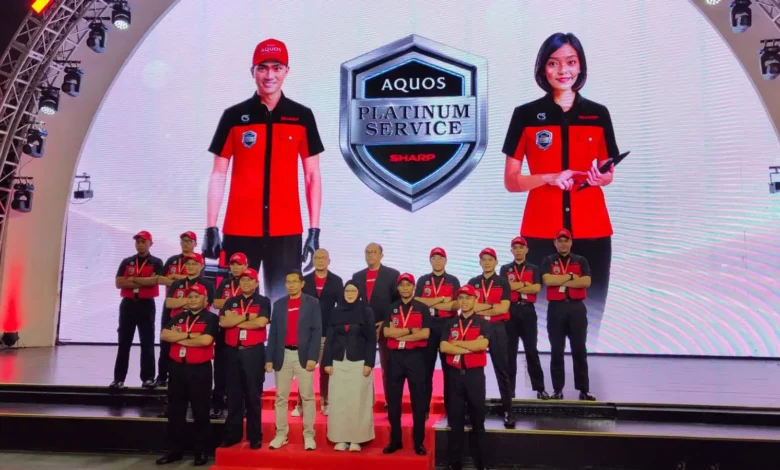
JAKARTA — Marking a significant strategic shift heading into the final quarter of 2026, PT Sharp Electronics Indonesia officially unveiled its nationwide customer appreciation and relationship-building initiative titled "Every Customer Matters." Announced in the capital on September 9, 2026, coinciding with the momentum of Indonesia’s National Customer Day, the campaign represents a comprehensive roadmap designed to deepen brand loyalty, elevate product experiences, and refine post-purchase services across the domestic market. With over five decades of operational history in the archipelago, the Japanese electronics giant aims to pivot its business model further toward emotional resonance, consumer engagement, and uncompromising service excellence.
Background and Strategic Context
The inception of the "Every Customer Matters" campaign is rooted in a changing consumer landscape where commoditized hardware alone is no longer sufficient to guarantee brand longevity. As Indonesian households become increasingly discerning, electronic manufacturers face mounting pressure to deliver holistic ecosystems that encompass cutting-edge innovation, seamless user interfaces, and dependable after-sales support.
For Sharp, the year 2026 marks its 56th anniversary of continuous presence in Indonesia. Over this extensive timeline, the brand has entrenched itself in the daily lives of millions of Indonesian families—from pioneering local television manufacturing to supplying essential kitchen and living room appliances. Recognizing that consumer relationships extend far beyond the initial point of sale, company leadership conceptualized this campaign to reinforce its competitive edge against rising regional and global competitors in the Southeast Asian consumer electronics sector. By systematically addressing the psychological, interactive, and structural dimensions of the customer journey, Sharp seeks to solidify its position as a household staple across multiple generations.

The Three Pillars of "Every Customer Matters"
To execute its vision effectively, Sharp Indonesia has structured the campaign around three core pillars: Emotion, Engagement, and Commitment. Each pillar targets a specific facet of the consumer relationship, bridging the gap between corporate offerings and everyday domestic experiences.
1. Emotion: The "In Step With Your Future" Brand Manifesto
The emotional pillar serves as the philosophical foundation of the campaign, anchored by a newly minted brand manifesto: "In Step With Your Future." This statement is designed to articulate how modern technology acts as a facilitator for human connection rather than a mere utility. According to corporate communications, the manifesto underscores Sharp’s dedication to developing smart, intuitive appliances that harmonize with evolving lifestyles. Whether it is a refrigerator preserving family nutrition or a high-definition television serving as the centerpiece for collective entertainment, the emotional pillar reminds consumers that Sharp’s engineering efforts are fundamentally human-centric.
2. Engagement: Bridging Online and Offline Realities
In an era dominated by digital communication, Sharp is leveraging a robust Online-to-Offline (O2O) strategy to foster active dialogue with its user base. The engagement pillar encourages consumers across the country to share their personal stories, historical milestones, and nostalgic memories associated with vintage and contemporary Sharp products via various social media platforms. By gamifying brand loyalty and encouraging user-generated content, Sharp aims to create a virtual community that mirrors the tangible trust built in living rooms over the past 56 years. This digital interaction is carefully channeled into offline touchpoints, ensuring that online enthusiasm translates into real-world brand affinity.
3. Commitment: The Rollout of Exclusive Platinum Services
The most tangible and operationalized aspect of the campaign is its commitment pillar, highlighted by the introduction of the "Platinum Service" tier. Tailored specifically for buyers of high-end display technology, this initiative redefines white-glove customer care in the premium consumer electronics category.

Platinum Service is strategically deployed for purchasers of Sharp’s elite television lineups, including the AQUOS XLED series (models 65/75GU8500I, 65HU8500I, 85HU8500X, and 65/75JP8000I Mini LED TVs) as well as the ultra-large SuperSize TV category (models 85/98HN700I, 85J5000I, and 100J7100J). To ensure operational efficiency and rigorous quality control, the service is initially rolled out across major metropolitan hubs, specifically targeting Jabodetabek, Medan, Surabaya, and Denpasar.
Detailed Breakdown of Platinum Service Benefits
Understanding that premium hardware requires commensurate technical support, Sharp has engineered a three-tier service guarantee under the Platinum umbrella:
- One Hour Response: Customers are guaranteed an initial verification response within a maximum timeframe of one hour during standard business days, minimizing wait times and ensuring prompt logistical coordination.
- One Day Service Installation: Physical site visits and product installations are executed within a strict 1×24 hour window once the physical unit has arrived and the consumer’s location is deemed ready.
- Dedicated Specialist Teams: Installations are handled exclusively by certified senior technicians trained specifically in handling delicate, ultra-large-format displays to ensure precision calibration and setup.
Furthermore, Platinum Service beneficiaries receive complimentary standard installation (excluding wall brackets) or a substantial 50% discount on bracket installation labor (excluding the hardware itself). Technicians also provide comprehensive preliminary setup assistance, guiding users through smart TV configurations, ecosystem pairing, and feature optimization.
Leadership Perspectives and Industry Implications
Reflecting on the milestone and the overarching philosophy of the campaign, Shinji Teraoka, President Director of PT Sharp Electronics Indonesia, emphasized the deep-rooted bond between the company and the Indonesian public.

"For Sharp, a journey of 56 years is not merely about counting the sheer volume of products we have introduced to the market," Teraoka stated during the launch. "More than that, this journey represents an accumulation of shared experiences created alongside the community—products that sit in living rooms, accompany daily routines, witness various shifts within households, and become an integral part of Indonesian family memories."
Industry analysts observe that Sharp’s strategic emphasis on localized post-purchase care and emotional branding arrives at an opportune time. As inflation and economic fluctuations influence consumer spending patterns, buyers are increasingly inclined to invest in durable goods that offer guaranteed longevity and reliable local support. By backing its premium hardware—such as the advanced AQUOS Mini LED and XLED lineups—with white-glove logistics like Platinum Service, Sharp successfully mitigates consumer hesitation associated with high-ticket electronics purchases.
Broader Impact on the Domestic Electronics Market
The launch of "Every Customer Matters" is expected to set a new benchmark for customer relationship management within Indonesia’s consumer electronics sector. While promotional discounting remains a prevalent market strategy, Sharp’s multi-layered focus on emotional narrative, O2O community-building, and high-tier technical accountability addresses the entire lifecycle of consumer goods.
As the company progresses through the final quarter of 2026 and looks toward future product cycles, the success of this campaign will likely serve as a blueprint for sustaining brand relevance in a crowded marketplace. By reaffirming that commercial transactions mark the beginning rather than the end of a corporate relationship, Sharp Indonesia reinforces its enduring commitment to the households that have sustained its half-century legacy.