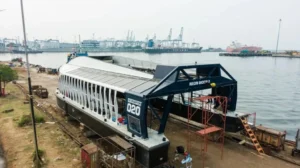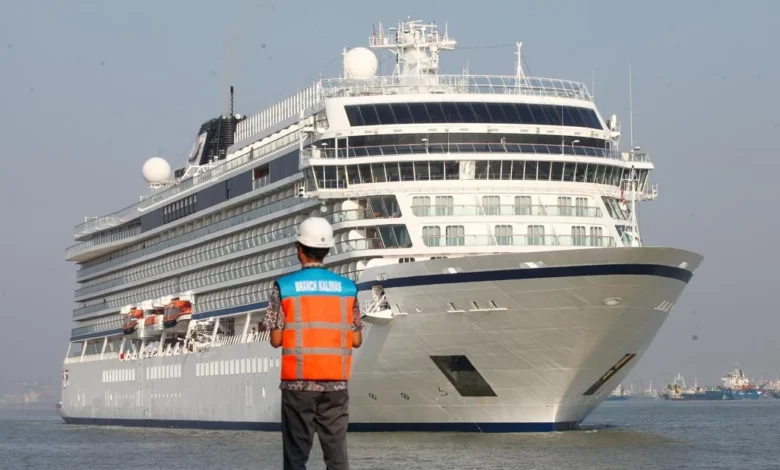
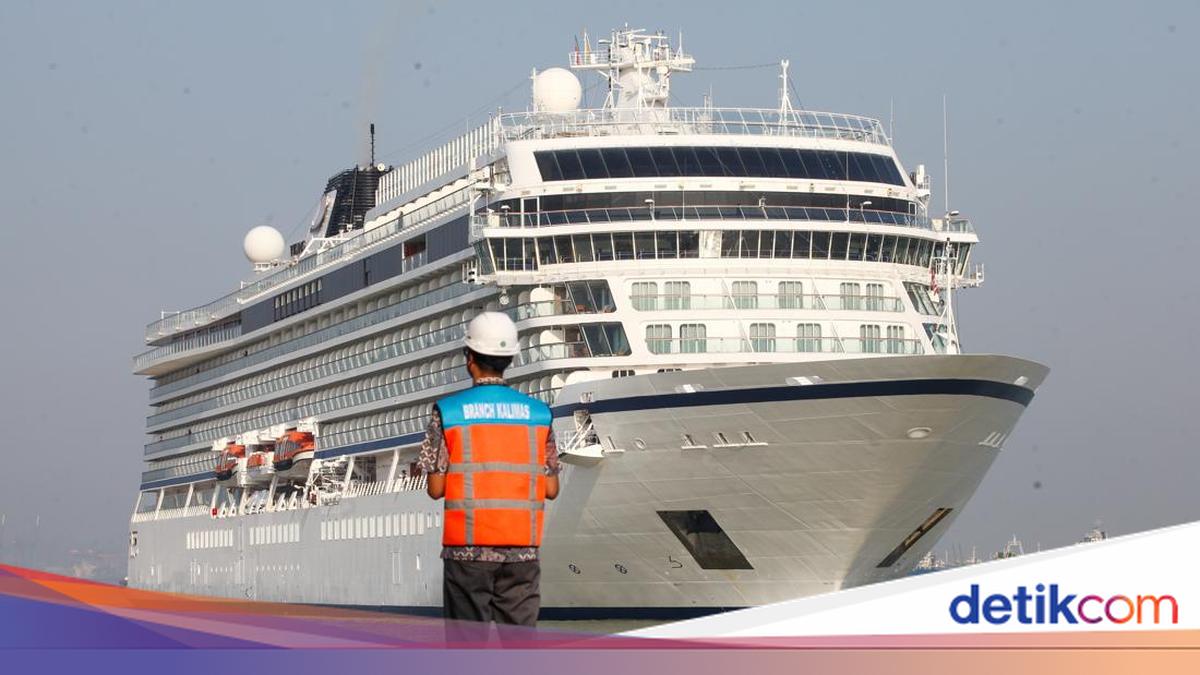
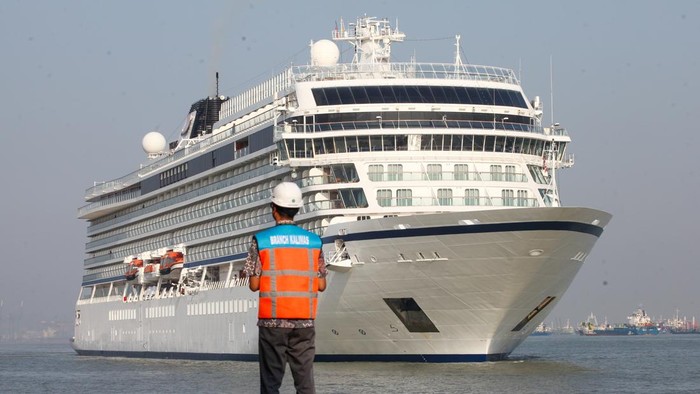
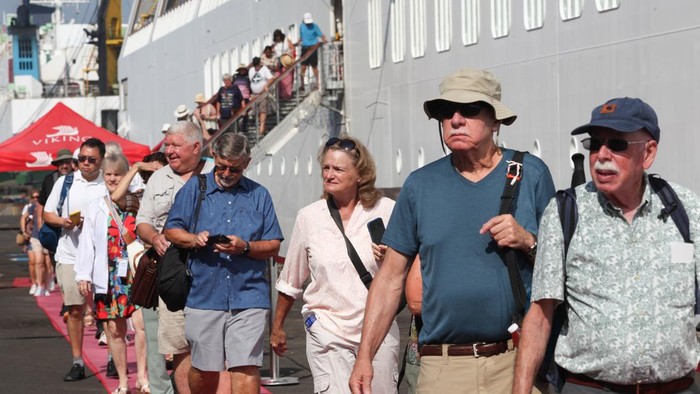
The arrival of the MS Viking Venus at the Port of Tanjung Perak in Surabaya, East Java, on Wednesday, November 4, 2026, marks a significant milestone in the city’s ongoing efforts to revitalize its maritime tourism sector. The Norwegian-flagged luxury cruise ship, carrying 867 international tourists and supported by a dedicated crew of 472 personnel, docked at the Jamrud Utara terminal, signaling a renewed interest in Surabaya as a premier destination for global cruise itineraries. The vessel’s presence in the East Javanese capital highlights the strategic importance of Tanjung Perak as a gateway for cultural exploration and economic engagement in Eastern Indonesia.
Chronology and Logistics of the Arrival
The MS Viking Venus made its scheduled approach to the Port of Tanjung Perak in the early hours of Wednesday morning. Following standard maritime protocols, the vessel was guided into the Jamrud Utara terminal, a facility specifically equipped to handle large-scale passenger cruise ships. Port authorities and local tourism officials coordinated the arrival to ensure a seamless transition for the passengers. By mid-morning, the majority of the 867 guests had disembarked to begin their curated tours of Surabaya and the surrounding regions.
The logistics involved in hosting such a large vessel are complex, requiring synchronization between port operations, local transportation services, and tourism agencies. The 472 crew members worked in tandem with ground handlers to manage the movement of tourists, who were greeted with traditional hospitality as they stepped onto Indonesian soil. This visit is part of a larger, long-term itinerary for the MS Viking Venus, which has been traversing the Indonesian archipelago to showcase the cultural and geographical diversity of the nation.
Contextualizing the Growth of Indonesian Cruise Tourism
To understand the significance of this event, one must consider the broader trajectory of cruise ship tourism in Indonesia. Over the past decade, the Indonesian government, through the Ministry of Tourism and Creative Economy, has aggressively promoted the "Cruise Tourism Development Strategy." This strategy aims to leverage the nation’s 17,000 islands to attract high-spending international travelers.
Surabaya, as the second-largest city in Indonesia and a major industrial hub, serves as an essential stopover. Its unique blend of colonial architecture, modern urban development, and proximity to major tourist landmarks—such as Mount Bromo and the Trowulan archaeological sites—makes it an ideal port of call. Before the pandemic, Indonesia saw a steady increase in cruise ship arrivals, with major ports like Tanjung Perak, Benoa in Bali, and Tanjung Priok in Jakarta leading the way. The return of large vessels like the MS Viking Venus suggests that the sector has not only recovered but is entering a new phase of growth focused on high-value, experiential travel.
Economic Implications for East Java
The arrival of nearly 900 tourists on a single vessel represents a substantial injection of capital into the local economy. On average, cruise ship passengers spend significantly more per day than budget travelers, as their itineraries typically include guided excursions, premium dining, and artisan souvenir shopping.
Local vendors, transport operators, and tour guides in Surabaya are the primary beneficiaries of these arrivals. A typical cruise excursion involves luxury coaches traveling to historic sites such as the House of Sampoerna, the Submarine Monument (Monkasel), and the bustling Arab Quarter in Ampel. By facilitating these visits, the city of Surabaya effectively converts its cultural heritage into a sustainable revenue stream. Furthermore, the presence of the ship itself requires port services, including fuel bunkering, fresh water supplies, waste management, and provisions, all of which generate recurring revenue for port authorities and local suppliers.
Enhancing the Traveler Experience
The experience provided to the passengers of the MS Viking Venus is carefully curated to reflect the "Viking" brand’s reputation for destination-focused travel. Unlike mass-market cruise lines that prioritize onboard activities, the Viking philosophy emphasizes immersive learning and cultural exchange. Consequently, the shore excursions organized for the passengers in Surabaya are designed to offer more than just a superficial look at the city.
The integration of historical narratives—ranging from the Dutch East Indies colonial era to the heroic struggle for independence in 1945—is a central component of the tourist package. By providing international visitors with a deeper understanding of Indonesia’s complex history, the tourism board hopes to transform one-time visitors into brand ambassadors for the region. The positive feedback from such visits is critical for ensuring that shipping lines like Viking continue to include Surabaya in their annual rotation.
Official Responses and Strategic Planning
While specific statements from the Port Authority were not detailed in the initial reports, industry analysts note that the current administration in Surabaya has been vocal about its desire to elevate the city’s status as a "City of Heritage." Mayor and regional development planners have consistently emphasized the need to upgrade port facilities to accommodate the next generation of "mega-ships."
Investments in the Jamrud Utara terminal are part of a wider master plan to ensure that Tanjung Perak can compete with international ports in Singapore and Thailand. This includes streamlining customs and immigration processes to minimize wait times for passengers, thereby maximizing the time they can spend exploring the city. There is a concerted effort to move toward a "smart port" model, utilizing digital tracking and automated logistical support to handle the surge in traffic whenever a cruise ship docks.
Challenges and Future Outlook
Despite the optimism surrounding the arrival of the MS Viking Venus, the cruise industry faces several challenges in Indonesia. Infrastructure bottlenecks, particularly in terms of land-side transportation and traffic congestion, remain a concern. Furthermore, environmental sustainability is a growing priority; the carbon footprint of large cruise ships and the potential impact on local marine ecosystems necessitate stringent compliance with international environmental standards.
However, the outlook remains positive. The cruise tourism sector is expected to expand as more international shipping companies seek out "exotic" destinations to distinguish their offerings from the saturated markets of the Caribbean and the Mediterranean. Indonesia’s ability to provide a safe, culturally rich, and logistically efficient experience will be the deciding factor in its long-term success.
Comparative Data and Regional Trends
Data from the Indonesian Port Corporation (Pelindo) indicates that the frequency of international cruise ship visits has seen a marked uptick in late 2026. This recovery is supported by the global trend of "slow travel," where cruise passengers prefer longer stays in individual ports to foster a deeper connection with the host community.
In terms of regional competitiveness, Surabaya is currently positioned as a crucial node between the eastern islands of Indonesia and the western hubs of Jakarta and Singapore. As the maritime infrastructure continues to mature, it is likely that the frequency of these visits will increase. Analysts project that if the current growth rate persists, Tanjung Perak could witness a 15% increase in annual cruise passenger arrivals by the end of 2027.
Conclusion: A City Ready for the World
The docking of the MS Viking Venus in Surabaya is more than just a logistical event; it is a testament to the city’s enduring appeal and its readiness to participate in the global tourism economy. As the hundreds of tourists disembarked to explore the vibrant streets, they brought with them the promise of economic revitalization and cultural cross-pollination.
For the city of Surabaya, the task ahead is to sustain this momentum. By continuing to prioritize infrastructure development, maintaining a welcoming environment, and showcasing its rich cultural heritage, Surabaya is well on its way to cementing its reputation as a world-class maritime tourism destination. The success of the MS Viking Venus visit serves as a blueprint for future operations, underscoring the vital link between maritime logistics and the burgeoning Indonesian tourism landscape. As the vessel prepares to depart for its next destination, it leaves behind a city that has once again proven its capacity to host the world, setting the stage for even greater engagement in the years to come.
Related posts: