Coldplay Leaves Lasting Environmental Legacy in Indonesia by Donating Neon Moon II Waste Interceptor to the Cisadane River

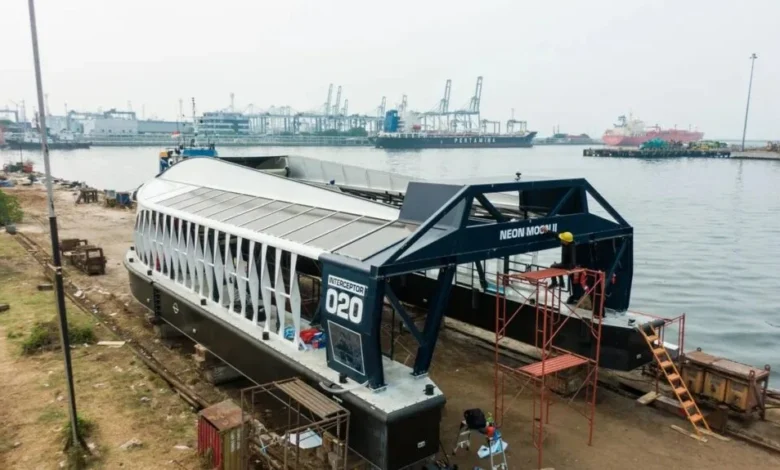
British rock band Coldplay has left a profound and tangible environmental legacy in Indonesia following their debut concert at Gelora Bung Karno (GBK) Stadium in Jakarta on November 15, 2023. Beyond delivering a memorable musical performance to thousands of enthusiastic fans, the band demonstrated an extraordinary commitment to global sustainability by donating a state-of-the-art waste-collection vessel known as the Interceptor 020, christened "Neon Moon II." This cutting-edge, autonomous cleanup ship is slated to operate along the heavily polluted Cisadane River in West Java, addressing a critical environmental crisis that threatens local ecosystems and the wider Java Sea.
The initiative is part of an ongoing, strategic partnership between Coldplay and The Ocean Cleanup, a prominent international nonprofit environmental organization dedicated to ridding the world’s oceans and rivers of plastic pollution. By deploying the Neon Moon II to the Cisadane River—a vital waterway stretching from the mountainous regions of Bogor through Depok and Tangerang before emptying into the Java Sea—the collaboration aims to intercept thousands of tons of plastic waste and microplastics at the source, preventing harmful debris from ever reaching marine habitats.
The Magnitude of the Cisadane River Plastic Crisis
The Cisadane River plays an essential role in the daily lives of millions of residents across West Java and Banten, serving as a source for raw drinking water, agricultural irrigation, and local industry. However, rapid urbanization, inadequate waste management infrastructure, and population growth along its banks have turned the river into one of the region’s significant conduits for plastic pollution.
Environmental assessments indicate that approximately 1,000 tons of plastic waste flow from the Cisadane River into the Java Sea annually. This staggering volume not only degrades the aesthetic and ecological health of the riverbanks but also poses severe threats to marine biodiversity. Microplastics consumed by fish and other aquatic life eventually enter the human food chain, raising long-term public health and ecological concerns.

Recognizing the severity of this issue, The Ocean Cleanup identified the Cisadane as a high-priority target for intervention. The deployment of Interceptor 020 represents a monumental step forward in regional waste mitigation efforts, offering a technological lifeline to local authorities who have long struggled to manage the sheer scale of riverine debris.
Engineering Marvel: Specifications of the Neon Moon II
The Interceptor 020, operating under the evocative moniker Neon Moon II, is far from a conventional garbage collection boat. Valued at approximately USD 777,000 (equivalent to roughly IDR 11.9 billion), this advanced piece of environmental engineering is packed with high-tech capabilities designed for maximum efficiency and minimal environmental footprint.
Measuring 24 meters in length, the vessel features a specialized catamaran design equipped with a conveyor belt system that scoops up floating debris and channels it into internal dumpsters. Despite its massive operational capacity—capable of extracting between 50 and 100 tons of trash per day—the vessel is entirely autonomous and operates 24 hours a day without requiring an onboard crew.
Furthermore, the Neon Moon II aligns with modern green energy standards. It is powered entirely by solar energy, ensuring a zero-emission footprint during operation. Its electric propulsion and extraction systems operate silently, minimizing noise pollution in local river ecosystems. By running continuously, the vessel can adapt dynamically to fluctuating weather conditions, surging water levels, and peak periods of debris accumulation, particularly during the rainy season when river currents sweep massive loads of urban waste downstream.
A Proven Partnership: Precedents in Regional Cleanup
The donation of the Neon Moon II is not Coldplay’s first foray into river cleanup infrastructure. The band established its philanthropic environmental credentials in 2018 when they partnered with The Ocean Cleanup to fund the deployment of Neon Moon I (Interceptor 005) to the Klang River in Selangor, Malaysia.

The deployment in Malaysia yielded extraordinary results. Over its operational lifespan, Neon Moon I successfully intercepted and removed an estimated one million kilograms (1,000 metric dollars) of plastic waste from the Klang River, dramatically improving water quality and preventing millions of pieces of plastic from drifting into the Malacca Strait.
Encouraged by this phenomenal success, Coldplay expanded its environmental mandate, deciding to replicate the initiative in Indonesia. The band’s frontman, Chris Martin, and fellow band members have consistently used their global platform to champion climate action, promote sustainable touring practices, and fund vital ecological projects. Their ongoing collaboration with The Ocean Cleanup underscores a holistic approach to philanthropy, where artistic success is directly paired with measurable planetary healing.
Logistics, Timeline, and Local Integration
Planning for the deployment of the Neon Moon II began months ahead of the Jakarta concert, involving rigorous coordination between The Ocean Cleanup, local Indonesian environmental agencies, municipal authorities, and regional water management bodies such as PDAM Tirta Benteng.
Following its assembly and testing phases, the vessel is scheduled to commence active operations on the Cisadane River by the end of 2023. Local environmental agencies will oversee the onshore logistics, ensuring that the waste collected by the interceptor is efficiently sorted, recycled, or disposed of responsibly through municipal waste management systems.
The integration of the Interceptor 020 is expected to serve as a catalyst for broader regional policy discussions regarding waste management. While technological interventions like the Neon Moon II offer immediate relief, local officials and environmentalists emphasize that long-term success requires robust behavioral changes among communities living along riverbanks, alongside stricter enforcement of anti-littering regulations.

Broader Implications and Socio-Economic Impact
The arrival of the Neon Moon II carries significant socio-economic and ecological implications for Indonesia. From an environmental standpoint, intercepting 1,000 tons of plastic annually from the Cisadane River will substantially reduce the density of marine debris in the Java Sea, protecting coral reefs, fisheries, and coastal communities whose livelihoods depend on a healthy marine ecosystem.
Economically, reducing the influx of floating waste lowers the maintenance costs associated with water treatment plants downstream. Accumulated plastic debris often clogs intake valves at municipal water facilities, leading to operational disruptions and costly repairs. By clearing the river upstream, the interceptor helps safeguard regional water security.
Moreover, the initiative serves a powerful educational purpose. By attaching a high-profile cultural event—the Coldplay concert—to a tangible environmental solution, public awareness surrounding plastic pollution has surged. Indonesian youth and music fans, inspired by the band’s gesture, are increasingly engaging in grassroots clean-up campaigns and advocating for reduced single-use plastic consumption.
As the Neon Moon II prepares to cast off on the Cisadane River, it stands as a testament to the potential of cross-border collaboration between artists, nonprofit innovators, and local communities. While a single vessel cannot single-handedly solve Indonesia’s extensive waste management challenges, the project provides a scalable blueprint for how targeted technology and international solidarity can help turn the tide against the global plastic crisis.