Weekend Escape to Yogyakarta: Strategic Itinerary Planning for Jakarta Professionals Without Sacrificing Productivity

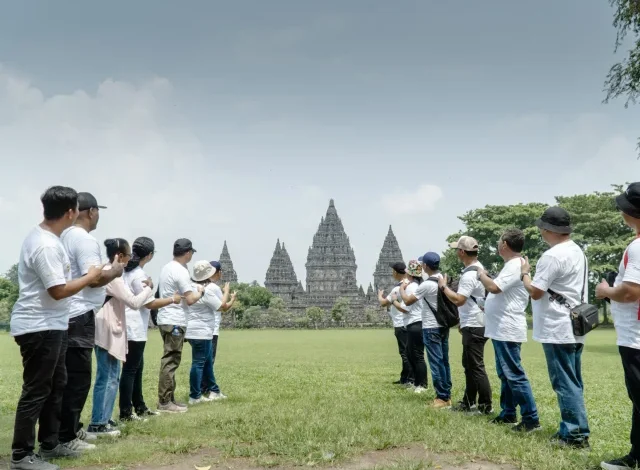
The phenomenon of "micro-vacations" has gained significant traction among Jakarta’s urban professionals, particularly those seeking a brief respite from the relentless pace of the capital city. Yogyakarta, often referred to as the cultural heart of Indonesia, remains the primary destination for these weekend getaways. However, the logistical constraints of a two-day timeframe—specifically a Saturday-to-Sunday window—often transform what should be a restorative experience into a high-pressure itinerary. For professionals looking to maximize their 48-hour escape without the need for formal leave requests, strategic planning, spatial awareness, and a departure from the "checklist tourism" model are essential.
The Dynamics of Weekend Tourism in Yogyakarta
According to recent data from the Yogyakarta Tourism Office, domestic tourist arrivals during weekends and public holidays have seen a steady increase, with a significant portion of visitors originating from the Greater Jakarta area (Jabodetabek). This influx places immense pressure on local infrastructure, including traffic flow around popular tourist corridors like the Mangunan Pine Forest, the Parangtritis coastline, and the urban core near Malioboro.
For a professional arriving from Jakarta via flight or the high-speed rail network, the transition from a high-stress work environment to a leisure state requires careful calibration. Many travelers fall into the trap of attempting to cover geographically disparate locations—such as the northern volcanic slopes of Merapi and the southern coastal cliffs of Gunungkidul—within a single 24-hour period. This "geographical mismatch" is the leading cause of travel fatigue, leading to increased traffic congestion and a diminished quality of experience.
Logistical Challenges and Industry Responses
The travel industry has responded to these pressures by offering curated tour packages designed specifically for short-duration stays. Providers such as WisataHappy (a subsidiary of Happy Tour ID) have introduced structured 2D1N (two days, one night) packages that prioritize regional proximity over sheer volume. These packages, often starting at approximately IDR 550,000 per pax for groups of five, aim to mitigate the stress of independent travel planning.
Industry analysts note that these packages provide more than just transportation; they offer optimized routes that account for the typical traffic patterns of Yogyakarta. By clustering destinations based on their geographic location, these providers help alleviate the "traveler’s burnout" that often occurs when individuals underestimate the time required to navigate the city’s narrow roads during peak weekend hours.
Strategic Itinerary Design: A Chronological Approach
To effectively manage a 48-hour trip, experts suggest a "hub-and-spoke" model, where visitors choose a base location and explore the immediate surroundings rather than crisscrossing the region.
Day One: Coastal and Highland Immersion
The optimal strategy for Saturday involves an early start focused on the southern or eastern districts. For instance, beginning the day at the Hutan Pinus Mangunan allows for cooler temperatures and better visibility. Transitioning toward the coast for a Jeep tour at Parangtritis or the Gumuk Pasir (sand dunes) provides an active, engaging experience that is contained within one geographical quadrant.
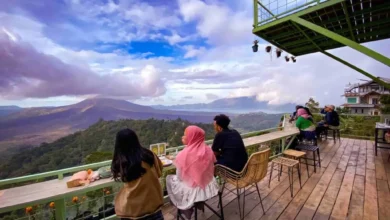
By limiting the scope of Saturday to the Bantul and Gunungkidul coastal areas, travelers can conclude their day at vantage points like the Obelix Sea View. This approach reduces time spent in transit and allows for a more relaxed evening, which is vital for recovery before the Sunday itinerary.
Day Two: Cultural Integration and Urban Logistics
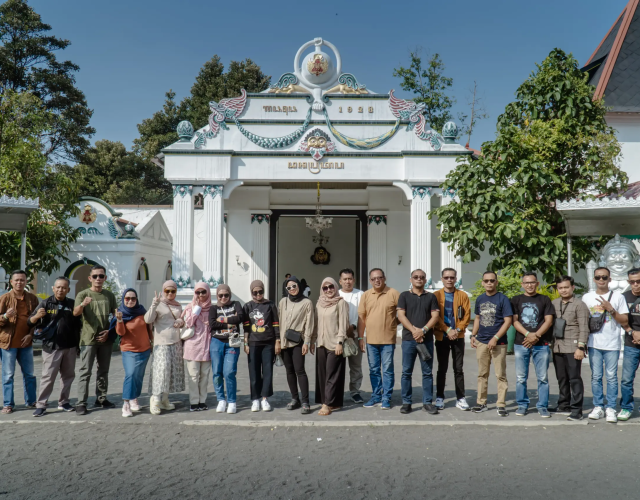
Sunday should be reserved for lower-impact activities that facilitate an easier return to Jakarta. If the traveler prefers cultural immersion, a morning tour of the Keraton Yogyakarta and the Museum Sonobudoyo provides a historical context that is easily accessible within the city center.
Conversely, for those seeking a final adventure, a localized tour of the Merapi volcanic slopes—focused on specific points like the Museum Sisa Hartaku or the Batu Alien—is feasible, provided the afternoon is strictly reserved for logistics. The most critical component of the Sunday itinerary is the "buffer zone" for travel. Professionals are advised to work backward from their flight or train departure time, accounting for peak-hour congestion in Yogyakarta’s urban centers and potential delays at the airport or train station.
Analytical Perspective on Tourism Efficiency
The shift toward organized, shorter, and more intensive weekend tourism reflects a broader change in consumer behavior. Modern travelers are moving away from the "bucket list" mentality, where the primary goal is to visit as many sites as possible. Instead, there is a growing emphasis on "mindful tourism," where the quality of interaction with a specific destination takes precedence.

From an economic perspective, this shift is beneficial for local communities. By focusing on specific regions, tourist spending is more evenly distributed, and the pressure on the city center’s infrastructure is mitigated. However, it requires a high degree of digital literacy and preparation. Travelers must verify the operational status of destinations, as unexpected closures for maintenance or cultural events can disrupt even the best-laid plans.
Essential Guidelines for the Weekend Traveler
For those planning their next weekend trip to Yogyakarta, the following four pillars are recommended:
- Geographic Clustering: Never plan to visit more than two major zones in one day. Focus on either the Northern slopes, the Western hills (Kulon Progo), or the Southern coast.
- The "Reverse-Planning" Method: Start by locking in the return ticket to Jakarta, then build the Sunday itinerary backward. This ensures that the final day does not end in a desperate rush to the transit terminal.
- Delegation of Logistics: Utilizing professional tour services is not merely a convenience; it is a risk-management strategy. Pre-confirmed transportation and expert guides can navigate local nuances and traffic regulations more efficiently than an independent visitor relying on ride-sharing applications.
- Physical Preparation: Acknowledge that the weekend is not a vacation from movement but a change in scenery. Prioritize high-energy activities for Saturday morning when cognitive and physical stamina is at its peak, and reserve Sunday for low-intensity cultural engagement.
Implications for the Future of Regional Travel
As infrastructure continues to improve, including the expansion of transport networks connecting Yogyakarta to surrounding regions, the weekend-trip market is expected to expand further. The challenge for local authorities and travel operators will be to manage this growth without compromising the cultural and environmental integrity of the region.
Sustainable tourism in Yogyakarta depends on the ability of visitors to respect the local pace of life. While the "getaway" culture is a vital release valve for the high-pressure environment of Jakarta, it must be balanced with a commitment to responsible travel. By choosing to visit fewer places with greater depth, the Jakarta professional can transform their 2D1N trip into a truly restorative experience, arriving back at the office on Monday morning not with a "travel hangover," but with a renewed sense of clarity and perspective.
Ultimately, the goal of a weekend escape is to reset the internal clock. Whether through the lens of a Jeep tour on the slopes of a volcano or a quiet walk through the corridors of a historical museum, the success of the trip lies in the deliberate choice to slow down, even in the middle of a short-term sprint. With careful planning and a disciplined approach to time management, Yogyakarta remains the ideal destination for the professional who demands both productivity and peace.