Song Hye Kyo Steals the Spotlight in Paris as Global Brand Ambassador for Guerlain High-End Fragrance Launch

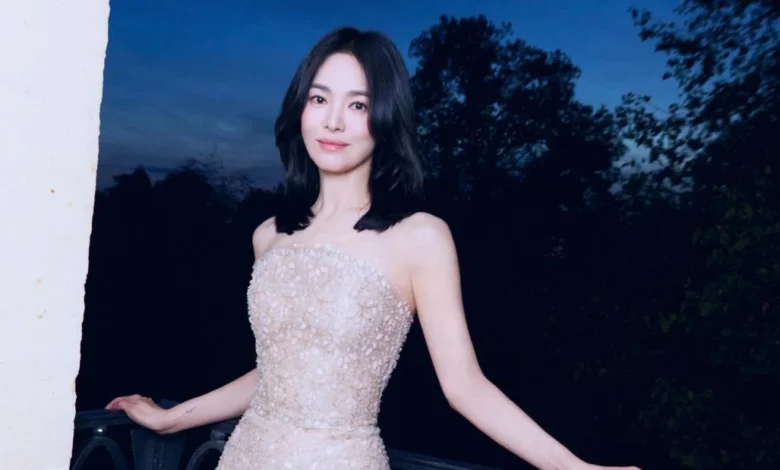
Acclaimed South Korean actress Song Hye Kyo has once again captured international attention, radiating an ethereal and timeless elegance during her recent appearance in Paris, France. Representing the prestigious French luxury beauty and fragrance house Guerlain as its esteemed global brand ambassador, the award-winning television and film star made a striking impression at an exclusive, high-profile gala event. The star-studded gathering was organized to celebrate the official launch of Guerlain’s latest sophisticated olfactory creation, the L’Heure Bleue luxury perfume collection, drawing prominent figures from the worlds of international fashion, high society, and elite beauty circles to the heart of the French capital.
Throughout the evening, Song commanded the room with her characteristically poised demeanor and sophisticated sartorial choices. Photographs released by the French luxury house quickly circulated across digital platforms, showcasing the actress in an environment that seamlessly blended French artistic heritage with modern luxury. Her presence in Paris serves as the latest milestone in her ongoing partnership with the historic Maison, further solidifying her status not only as a powerhouse in global cinema and television but also as a formidable and influential icon within the upper echelons of the international luxury market.
Chronology of Events and Paris Appearance
The sequence of events leading up to Song Hye Kyo’s triumphant appearance in Paris reflects a meticulously planned international promotional campaign orchestrated by Guerlain. Preparations for the exclusive launch of the L’Heure Bleue collection began months in advance, involving high-level coordination between the brand’s European headquarters and the actress’s management team. Song traveled from Seoul to Paris just days before the main gala event, allowing her time to acclimate, undergo fittings with international stylists, and participate in private media briefings and editorial photo shoots against iconic Parisian backdrops.
On the evening of the launch event, media representatives and fashion critics gathered at a historic venue in Paris, transformed for the night to reflect the romantic, melancholic, and twilight-inspired theme of L’Heure Bleue. Song arrived on the red carpet shortly after dark, immediately drawing the attention of global press outlets and photographers. Her entrance marked the climax of the evening’s arrivals. Following the red carpet session, the actress attended an intimate dinner and product unveiling hosted by Guerlain executives, where she was introduced to leading international distributors, beauty editors, and fellow brand ambassadors from around the world. The itinerary concluded with a series of exclusive digital content recordings aimed at engaging her millions of international social media followers before her departure back to South Korea.
Fashion, Styling, and Aesthetic Choices
For this high-profile Parisian engagement, Song’s styling drew widespread acclaim from fashion critics and beauty enthusiasts alike. Breaking away from the signature short, textured bob haircut she maintained over the past few years—a deliberate stylistic choice for her intense physical preparation and role in the upcoming Netflix drama series Tantara—the actress showcased a sophisticated shoulder-length hairstyle. This softer, cascading look framed her face delicately, perfectly complementing the romantic and timeless narrative of the Guerlain fragrance she was representing.
Her ensemble further elevated her red-carpet presence. Song wore a meticulously crafted pastel-hued dress adorned with shimmering crystal embellishments designed by the contemporary label MONTSAND. Retailing at approximately $1,122 USD (equivalent to roughly 19.8 million Indonesian Rupiah), the garment struck a harmonious balance between accessible contemporary design and high-fashion luxury. The subtle sparkle of the crystals caught the ambient lighting of the Parisian venue, creating a radiant, effortless glow that many style commentators described as naturally dewy and ageless. Makeup choices were kept understated, emphasizing a minimalist yet polished aesthetic that allowed her natural features and the thematic essence of the fragrance launch to take center stage.
Background Context of the Partnership
The collaboration between Song Hye Kyo and Guerlain represents a strategic alignment between a historic European luxury institution and one of Asia’s most enduringly popular cultural figures. Established in 1828 by Pierre-François Pascal Guerlain, the French house has spent nearly two centuries cultivating a reputation for master perfumery, skincare, and cosmetics, serving as a purveyor to royal courts throughout Europe. In recent decades, as the global luxury market has shifted increasingly toward Asia, heritage beauty brands have sought partnerships with high-profile Korean wave (Hallyu) stars to connect with a younger, highly engaged, and digitally native demographic.
Song’s appointment as a global ambassador for the brand was not merely a transactional endorsement; it was a carefully curated relationship built upon shared values of timeless elegance, dedication to craft, and continuous reinvention. Over a career spanning more than two decades, Song has transitioned from a beloved romantic comedy lead in iconic series such as Autumn in My Heart and Full House to a critically acclaimed dramatic actress, winning the prestigious Daesang (Grand Prize) at the Baeksang Arts Awards for her nuanced performance in the revenge-drama series The Glory. This professional evolution mirrors Guerlain’s own philosophy of honoring historical roots while continually innovating for modern audiences. The L’Heure Bleue collection, a legendary formulation originally created by Jacques Guerlain in 1912, serves as an ideal anchor for this partnership, evoking a sense of nostalgic romance and timeless sophistication that aligns seamlessly with Song’s cinematic legacy.
Official Responses and Brand Strategy
While individual corporate executives rarely issue ad-hoc press releases for single red-carpet appearances, statements from Guerlain’s senior marketing and brand strategy divisions emphasize the immense value that international ambassadors bring to the house’s global footprint. In previous communications surrounding her appointment, Guerlain representatives highlighted Song’s ability to embody modern femininity, grace, and an enduring commitment to excellence. The brand noted that her broad international appeal—spanning East Asia, Southeast Asia, and Western markets—makes her an ideal conduit for communicating the heritage and luxury of historic fragrance lines to contemporary consumers.
Industry analysts reviewing the partnership have pointed out that selecting an ambassador of Song’s caliber allows heritage brands to bridge generational divides. While older consumers recognize Guerlain for its classic, time-tested formulations like Shalimar and L’Heure Bleue, younger digital consumers are often introduced to these legacy products through the social media reach and cultural influence of modern icons. By showcasing Song at exclusive Parisian events, the brand effectively reinforces its premium positioning while driving significant digital engagement across platforms like Instagram, Weibo, and TikTok, where content featuring the actress regularly garners millions of impressions and immediate global traction.
Broader Economic and Cultural Implications
Song Hye Kyo’s prominent role in Paris carries broader implications for the intersection of the Korean entertainment industry and the global luxury goods market. For years, Hallyu stars have served as primary drivers of economic growth for fashion and beauty conglomerates. The financial impact of these partnerships extends far beyond immediate event visibility; it influences quarterly retail sales, drives traffic to flagship e-commerce platforms, and elevates the cultural capital of the brands involved in fiercely competitive key markets such as China, Japan, South Korea, and Southeast Asia.
Furthermore, the choice of a luxury house like Guerlain to feature a Korean actress at a heritage-focused fragrance launch underscores the ongoing decentralization of the global luxury market. European fashion and beauty houses no longer rely exclusively on Western Hollywood celebrities to dictate global trends. Instead, they increasingly recognize that Asian artists command immense cultural authority and possess dedicated, highly responsive global fanbases capable of translating digital admiration into tangible retail success. As Song continues to balance her demanding acting schedule—exemplified by her upcoming television projects and international promotional duties—her alliance with Guerlain stands as a testament to the enduring global influence of South Korean talent in shaping the future of international luxury and beauty standards.