
An aviation incident of a highly unusual and concerning nature unfolded on Wednesday, September 30, 2026, when a Flydubai flight en route from the United Arab Emirates (UAE) to Israel was forced to divert to Saudi Arabia. The diversion was initiated following an emergency signal transmitted by the cockpit crew, which, according to officials, was necessitated by a physical altercation between the two pilots. This event, while initially raising alarms regarding potential security threats or aircraft hijacking, has since been clarified by Israeli authorities as an internal dispute between the flight crew, sparking a significant conversation regarding aviation safety protocols and the psychological well-being of commercial airline pilots.
Chronology of the Flight Diversion
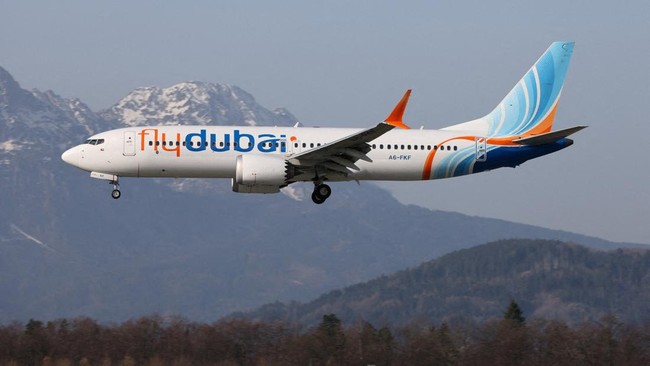
The aircraft, a Boeing 737-8 MAX identified by the registration A6-FKF, departed from the United Arab Emirates with a flight plan destined for Tel Aviv, Israel. The flight proceeded normally during its initial phase, traversing the airspace over the Arabian Peninsula. However, as the aircraft progressed toward its destination, flight monitoring systems—most notably Flightradar24—began to register a significant deviation from the established flight path.
At approximately midway through the journey, the pilots activated an emergency transponder code, alerting air traffic control systems to an urgent situation on board. In response to the emergency signal and the subsequent coordination with regional air traffic control authorities, the aircraft altered its heading, performing a mid-air turn toward Saudi Arabia. The decision to land in Saudi territory was made in the interest of passenger safety, given the volatile nature of the situation within the cockpit. Upon landing, the aircraft was met by local security and ground handling personnel to address the crisis.
Nature of the In-Flight Incident
Initial reports and speculation following the transmission of the emergency signal naturally trended toward security concerns, including the possibility of unauthorized entry into the flight deck or a hijacking attempt. However, an Israeli official, speaking on the condition of anonymity due to the sensitive nature of the ongoing investigation, confirmed that the emergency was not linked to terrorism or external interference. Instead, the cockpit was the site of a physical altercation between the captain and the first officer.
Visual evidence emerging from the incident, including social media footage and stills, depicted individuals within the cabin—one of whom appeared to be a crew member—suffering from visible injuries, including bloodstains on clothing. These images provided a sobering visual testament to the severity of the confrontation that took place behind the reinforced cockpit door. The transition from a routine commercial flight to a high-stress, dangerous environment highlights the extreme volatility that can occur when the human element in aviation fails.
Aircraft and Operational Context
The aircraft involved, a Boeing 737-8 MAX, is one of the most widely utilized short-to-medium-haul aircraft in the global aviation fleet. With a sophisticated flight management system and rigorous pilot training requirements, incidents involving the flight deck crew are statistically rare. The Boeing 737-8 MAX is designed with multi-layered security features, including the reinforced cockpit door, which is intended to protect the pilots from threats originating in the passenger cabin. Paradoxically, this security feature can also isolate the flight crew, meaning that in the event of an internal dispute, there is little to no immediate intervention possible from the cabin crew or external parties.
Flydubai, the airline operating the flight, has faced significant scrutiny following this incident. While the airline has not provided a detailed breakdown of the internal dispute, the industry standard for such cases involves the immediate suspension of the pilots involved pending a comprehensive medical and psychological evaluation, as well as a full investigation by the relevant civil aviation authorities.

Aviation Safety Standards and Human Factors
The incident serves as a critical case study in the field of "Human Factors" in aviation. Human factors focus on the performance of individuals in complex systems, emphasizing how physical, psychological, and environmental conditions affect decision-making and interpersonal interactions.
In the commercial airline industry, the "Two-Person Rule" is the standard protocol for the cockpit. This rule dictates that at no point should a single individual be left alone in the flight deck. While this is primarily a security measure to prevent unauthorized access, it also serves as a check-and-balance system between the two pilots. When that interpersonal dynamic breaks down into violence, the entire safety architecture of the flight is compromised.
Aviation psychologists often point to the high-pressure environment of the cockpit as a potential catalyst for conflict. Long-haul fatigue, personal stress, and interpersonal incompatibilities are variables that airlines attempt to mitigate through rigorous screening and Crew Resource Management (CRM) training. CRM training is specifically designed to improve communication, situational awareness, and problem-solving skills among flight crews. The failure in this instance suggests a breakdown in the very systems intended to prevent such outcomes.
Broader Implications and Geopolitical Context
The diversion to Saudi Arabia is, in itself, a notable event. The Kingdom of Saudi Arabia and Israel have historically maintained limited direct interaction, though airspace cooperation has increased in recent years. The fact that the flight was able to safely divert to a Saudi airport indicates that, despite regional political sensitivities, aviation safety and international protocols for emergency landings remain a priority for regional authorities.

The geopolitical landscape of the Middle East has seen shifting alliances, and the normalization of flight paths—such as the opening of Saudi airspace to Israeli-bound flights—has been a major development in regional integration. An incident involving an Israeli-bound flight landing in Saudi Arabia could have been a diplomatic complication, but the swift management of the emergency suggests that aviation safety protocols superseded political concerns.
Industry Response and Future Investigations
As the investigation continues, several key questions remain. What was the underlying cause of the dispute? Were there prior indicators of conflict between the crew members? Did the airline’s fatigue management systems play a role in the incident?
Industry experts suggest that the incident will likely lead to a review of pilot mental health monitoring and conflict resolution training within the Middle Eastern aviation sector. Airlines may be encouraged to adopt more stringent psychological evaluations and perhaps even more robust mechanisms for monitoring cockpit interactions in real-time.
Furthermore, the incident has reignited discussions regarding the role of cabin crew in responding to cockpit emergencies. While the flight deck is highly restricted, the necessity for cabin crew to be able to intervene or de-escalate situations involving the pilots is being re-evaluated. However, the priority remains the safety of the flight controls, and any intervention must be balanced against the risk of disrupting the aircraft’s operation.

Conclusion
The diversion of the Flydubai flight on September 30, 2026, will be recorded as a rare and troubling entry in the annals of aviation history. While the physical safety of the passengers and the structural integrity of the aircraft were preserved, the incident serves as a stark reminder of the human fallibility that persists even in the most technologically advanced environments.
As investigations proceed, the aviation community will look for answers that go beyond the surface-level reports of a "fight." The industry must address the systemic issues that allowed two professionals, entrusted with the lives of hundreds of passengers, to engage in a physical confrontation at 30,000 feet. The long-term impact of this event will likely be a renewed emphasis on pilot wellness, the refinement of CRM training, and a broader recognition that even in the age of automation, the human heart and mind remain the most unpredictable components of the flight deck. For now, the passengers of the diverted flight, and the global aviation community at large, remain focused on the lessons to be learned from this unprecedented disruption.