Sederet Artis Korea Meramaikan Peragaan Busana Prada di Milan Intip Adu Gaya Sana TWICE Jaehyun NCT hingga Lee Do Hyun

The intersection of high fashion and Hallyu—the global Korean wave—reached a remarkable crescendo at the recent Prada Spring/Summer presentation during Milan Fashion Week. As major luxury houses increasingly look to South Korean entertainment icons to drive global engagement and set aesthetic standards, Prada brought together some of its most prominent brand ambassadors and representatives. Among them, Sana of the phenomenal girl group TWICE, Jaehyun of NCT, and acclaimed actor Lee Do Hyun captured the international spotlight, showcasing distinct interpretations of contemporary Italian luxury. Their presence in Milan underscored not only their personal style influence but also the enduring, highly lucrative partnership between European haute couture and South Korean celebrity culture.
Milan Fashion Week remains one of the cornerstone events on the global fashion calendar, drawing industry veterans, international press, and A-list celebrities from around the globe to Italy’s fashion capital. The biannual event serves as a platform where heritage luxury houses unveil their creative visions for upcoming seasons, dictating global retail trends. In recent years, Italian fashion labels have systematically restructured their marketing and ambassadorial strategies, shifting focus toward East Asian markets, particularly South Korea. Korean celebrities, renowned for their dedicated fandoms, immaculate public images, and immense digital footprints, have proven to be exceptionally effective global ambassadors capable of generating millions of dollars in Media Impact Value (MIV) within hours of an event. Prada, under the creative co-direction of Miuccia Prada and Raf Simons, has been at the forefront of this movement, strategically aligning itself with multi-talented artists who embody the intellectual yet avant-garde ethos of the brand.
The chronology of the event unfolded over several days of high-stakes presentations and exclusive gatherings across Milan. Weeks prior to the physical showcase, anticipation had already reached a fever pitch across social media platforms such as X (formerly Twitter) and Instagram, fueled by announcements from the respective agencies of the invited artists and teaser campaigns by Prada. As the dates for the Milan Fashion Week showcase arrived, the streets surrounding the venue transformed into a frenzy of international media and devoted fans hoping to catch a glimpse of the stars. The arrivals of Sana, Jaehyun, and Lee Do Hyun were carefully orchestrated to maximize visual impact, each celebrity bringing a unique narrative to the brand’s overarching theme for the season.
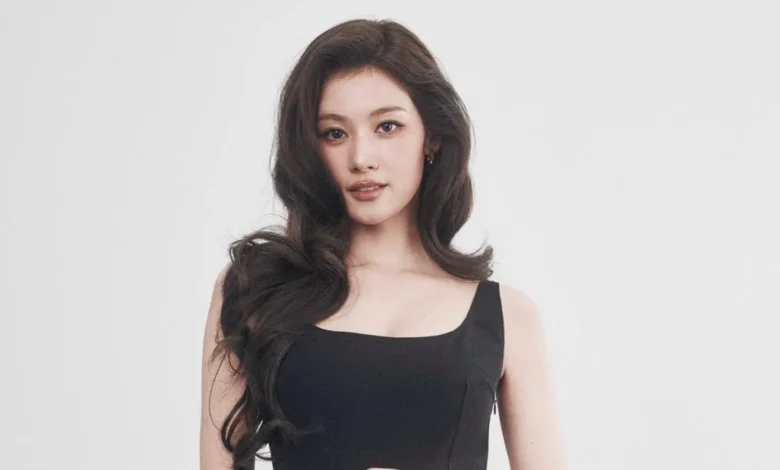
Sana of TWICE once again commanded global attention as a reigning global brand ambassador for Prada. Her journey with the Milan-based luxury house has been characterized by a seamless blend of classic sophistication and modern femininity. Arriving at the venue as a special guest of the house, the Japanese-born K-pop sensation stepped out in a meticulously tailored black dress accentuated by a signature Prada belt that defined her silhouette. Her hair was styled in soft, cascading waves, framing her face and radiating an aura of understated elegance that drew immediate praise from international fashion critics. Sana’s presence at Milan Fashion Week reinforced her status not only as a musical powerhouse within TWICE but also as a formidable force in the luxury fashion landscape, capable of effortlessly translating the brand’s sophisticated design language to a massive global audience.
Sharing the spotlight was Jaehyun of NCT, whose appearance marked a significant milestone in his enduring relationship with the brand. Marking his fourth consecutive year as part of the Prada family—having initially been inducted as a brand ambassador following years of close collaboration—Jaehyun opted for a sharp, semi-formal aesthetic. He donned a sophisticated suit paired with a high-collared black top, creating a sleek, monochromatic foundation that played with texture and modern tailoring. The defining element of his ensemble, however, was a vibrant red beanie, which served as a bold stylistic statement against the dark backdrop of his attire, demonstrating his willingness to experiment with contemporary menswear trends. Utilizing his official Instagram account, Jaehyun documented his time at the venue, offering his millions of followers an intimate look behind the scenes and further cementing his influence as a trendsetter in men’s fashion.
Rounding out the trio of Korean luminaries was acclaimed actor Lee Do Hyun, whose meteoric rise in the dramatic arts has been mirrored by his rapid ascent in the fashion world. Invited as an official representative of Prada since the previous year following his standout performances in hit television series such as The Glory, Lee presented a stark yet complementary contrast to Jaehyun’s dark ensemble. The actor arrived in a structured brown suit featuring sophisticated fur-collar detailing, paired elegantly with a crisp white high-collared shirt. In a move that challenged traditional menswear boundaries and subverted sartorial norms, Lee accessorized his look with a women’s handbag from Prada’s latest collection. This deliberate styling choice highlighted the ongoing industry-wide shift toward gender-fluid accessories and demonstrated his keen understanding of high-fashion conceptualism.
The strategic appointment of South Korean artists as luxury brand ambassadors is underpinned by robust data and quantifiable economic impact. According to recent analytics reports from platforms monitoring digital performance in the fashion industry, events featuring top-tier K-pop idols and actors routinely generate tens of millions of dollars in Media Impact Value. Brands like Prada leverage the immense digital reach of personalities like Sana, Jaehyun, and Lee Do Hyun, whose individual Instagram profiles boast followers numbering in the tens of millions. When these celebrities post content from Milan Fashion Week, engagement rates skyrocket, instantly translating into heightened global visibility, increased e-commerce traffic, and a tangible boost in consumer desire across key demographics in Asia, North America, and Europe.
Industry analysts and fashion economists point out that the synergy between Korean entertainment and European luxury houses represents a permanent evolution in global marketing rather than a fleeting trend. South Korean culture has permeated mainstream global consciousness through music, film, and television, creating a demographic of consumers who view their favorite stars not merely as entertainers, but as definitive lifestyle and fashion authorities. By entrusting artists with global ambassador titles, luxury brands secure cultural authenticity and bridge the gap between heritage craftsmanship and modern, youth-driven consumer culture. The successful execution of Prada’s showcase in Milan, amplified by the star power of its Korean contingent, serves as a textbook case study in modern luxury brand positioning.
As Milan Fashion Week concluded, the reverberations of the event continued to be felt across digital and print media. The adu gaya—or style showdown—between Sana, Jaehyun, and Lee Do Hyun became a central topic of discussion among fashion enthusiasts, trending globally for days. Each artist successfully communicated a different facet of the Prada identity: Sana embodying refined grace, Jaehyun representing polished contemporary masculinity, and Lee Do Hyun pushing the boundaries of avant-garde styling. Ultimately, their collective presence in Milan not only cemented their individual statuses as global fashion icons but also highlighted the unstoppable momentum of Korean cultural influence in shaping the future of international style.