South Korea Deploys Nationwide Emergency Siren System to Detect Hidden Smartphones During High-Stakes College Entrance Exams

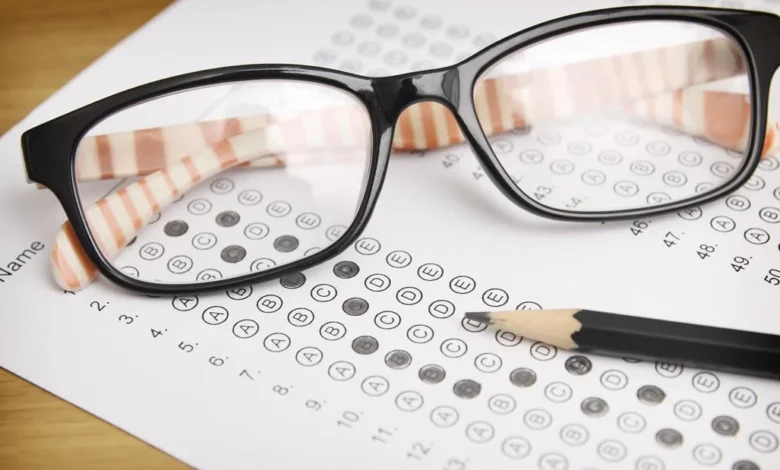
In a display of rigorous administrative control and technological vigilance, the South Korean government executed an unprecedented nationwide operation to eliminate cheating during the 2026 College Scholastic Ability Test (CSAT), or Suneung. By triggering a high-level emergency alert system that bypassed silent modes on every mobile device across the country, authorities successfully identified and confiscated devices from 22 students who had attempted to smuggle them into examination halls. This extreme measure underscores the immense pressure surrounding an exam that remains the singular most influential event in the lives of South Korean high school students.
The operation, which took place on Thursday, November 19, 2026, involved over 500,000 students across 1,312 testing centers. The Suneung is not merely an academic evaluation; it is a cultural phenomenon that dictates a student’s future university placement, career trajectory, and social standing. The stakes are so high that the national government routinely implements measures typically reserved for natural disasters or security threats—such as grounding planes, halting the stock market, and redirecting traffic—to ensure a quiet environment for the eight-hour examination period.
The Chronology of the Digital Crackdown
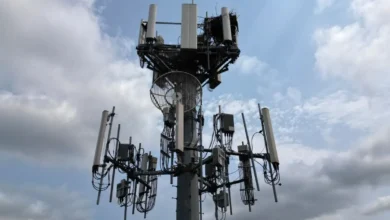
The crackdown began at exactly 08:30 local time, mere moments before the first testing session commenced. Authorities triggered a 10.5-second emergency broadcast signal. Engineered to override "do not disturb" settings and silent modes, the alarm sounded at maximum volume on every mobile device within range of a cell tower. The effect was immediate and widespread.
Reports from the Ministry of Education confirmed that within minutes of the initial alert, 22 students across nine provinces were caught in possession of contraband smartphones. Under the strict protocols of the CSAT, students are required to surrender all electronic devices, including smartwatches and digital calculators, to proctors before entering their assigned rooms. Those found with devices after the alarm are immediately disqualified, and in severe cases, may face bans from future testing.
A secondary alert was broadcast at 14:21, targeting students who might have attempted to retrieve hidden devices during the third session. To prevent mass public panic—given the volatile geopolitical climate on the Korean Peninsula—the government eventually issued a pre-emptive advisory at 14:45. This notice informed the public that a final emergency signal would occur at 14:57, allowing citizens to anticipate the interruption rather than fearing a genuine national security emergency.
The Catalyst: Learning from Past Failures
The decision to adopt such a disruptive anti-cheating mechanism did not occur in a vacuum. It was a direct response to a recent, high-profile scandal involving the professional tax accountant certification exam. In that instance, a top-performing candidate achieved a statistically improbable score, answering 159 out of 160 questions correctly.
Subsequent investigations revealed that the candidate had utilized a sophisticated system of micro-cameras and generative artificial intelligence (AI) to facilitate cheating. This incident sent shockwaves through the Ministry of Education, prompting a total review of invigilation standards. The 2026 Suneung, therefore, became the testing ground for a "zero-tolerance" policy regarding digital access. By using the national emergency alert system—a tool usually reserved for typhoons, earthquakes, or potential military conflict—the government effectively turned every mobile device in the country into a potential whistle-blower for exam proctors.
Societal Disruption and Unintended Consequences
While the measure was effective in maintaining the integrity of the exam, it also caused significant disruption to the daily lives of millions of citizens. In Seoul, the sudden blare of emergency sirens led to temporary confusion. Given the proximity of North Korea and the history of cross-border tensions, many residents initially feared that the sirens signaled the outbreak of conflict.
In downtown cafes, international visitors and tourists were left bewildered as their phones emitted piercing, loud warnings, forcing them to rely on translation apps to understand that the "emergency" was, in fact, an administrative action rather than a civil defense alert. The impact extended even to the military; according to reports from the Korea JoongAng Daily, several off-duty personnel were caught in possession of secondary smartphones, which were subsequently seized by their superiors when the alert sounded.
The environmental impact of the constant alerts was also noted by shift workers. One civil servant, finishing a grueling night shift, reported that the repeated alerts made it impossible to sleep throughout the day. With three separate alerts triggered, the psychological impact on the general populace—while intended to be a stern reminder of the exam’s importance—highlighted the thin line between necessary state vigilance and public annoyance.
Implications for Educational Integrity
The 2026 Suneung operation signals a new era in academic surveillance. As generative AI and miniaturized hardware become more accessible, traditional methods of monitoring—such as manual body searches or metal detectors—are increasingly viewed as insufficient. The use of the national emergency broadcast system demonstrates the government’s willingness to leverage national infrastructure to police individual behavior.
Experts in educational policy note that this strategy carries both benefits and risks. On the positive side, it serves as a powerful deterrent against the use of modern technology to bypass academic standards, ensuring that those who succeed do so through merit rather than digital assistance. On the negative side, it creates an environment of intense psychological pressure for the test-takers and introduces a degree of "alarm fatigue" among the general public.
Furthermore, the integration of AI into exam cheating has forced a permanent change in how exam boards view security. The fact that the South Korean government felt it necessary to escalate this to a national-level emergency response suggests that they view digital cheating not just as an academic infraction, but as a threat to the reliability of the national meritocratic system.
Looking Toward the Future
As the dust settles on the 2026 examination, the Ministry of Education is expected to review the efficacy of the 10.5-second alarm system. While the capture of 22 students may seem like a small percentage of the 500,000 examinees, the message sent to the remaining population is profound: the state has the capability to track and expose illicit devices in real-time.
Future iterations of the Suneung will likely involve even more advanced detection methods. However, the reliance on the national alert system creates a unique set of challenges, particularly regarding the need to balance public security with the necessity of academic integrity. For now, the 2026 Suneung stands as a landmark event in the evolution of test security—a moment where the digital age forced a traditional educational institution to turn the entire country into an examination hall.
Ultimately, the event serves as a stark reminder of the lengths to which South Korea will go to protect the sanctity of its educational system. In a nation where the Suneung is the ultimate gatekeeper to professional and personal success, the state has clearly decided that no measure is too extreme to ensure that the playing field remains level, even if the cost is a few moments of nationwide anxiety.