ProPak Indonesia 2026 Set to Drive Innovation in Food and Beverage Industry Amidst Sustained Growth and Technological Imperatives

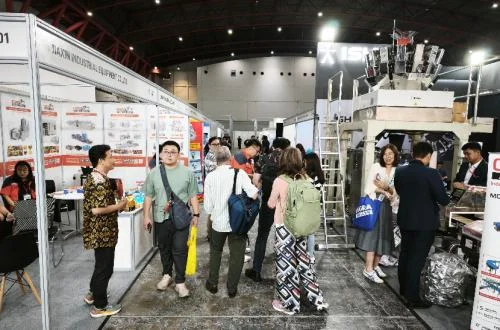
Jakarta is poised to become the epicenter of industrial innovation as ProPak Indonesia 2026, a premier exhibition dedicated to processing, packaging, and automation technology, prepares to open its doors. Scheduled from July 21-24, 2026, at the Jakarta International Expo (JIEXPO) Kemayoran, the event arrives at a critical juncture for Indonesia’s food and beverage (F&B) sector. This industry has firmly established itself as the largest contributor to the non-oil and gas manufacturing sector, commanding an impressive 42.01 percent share in the first quarter of 2026. This dominant position underscores an urgent and growing need for technological adoption to bolster productivity, elevate product quality, and sharpen the industry’s competitive edge both domestically and on the global stage.
A Convergence of Industry Leaders and Cutting-Edge Technology
Organized by Pamerindo Indonesia, a leading exhibition organizer in the region, ProPak Indonesia 2026 is designed as a crucial nexus where industry stakeholders can directly engage with providers of state-of-the-art processing, packaging, and automation solutions. The exhibition’s strategic timing reflects the dynamic shifts occurring within the F&B landscape, which is continuously evolving under the influence of changing consumer preferences, stringent regulatory frameworks, and rapid technological advancements. The event’s central theme, "The Integration of Food & Packaging," highlights a holistic approach, recognizing that optimal product delivery is inextricably linked to advanced processing and intelligent packaging. This focus is particularly pertinent as industries worldwide grapple with challenges ranging from supply chain optimization to sustainability.
The decision to co-locate ProPak Indonesia 2026 with Food & Hospitality Indonesia (FHI) 2026 further amplifies its impact. This synergistic arrangement aims to create an unparalleled ecosystem that seamlessly connects innovations in production and packaging technology with the broader food, beverage, and hospitality sectors. Attendees will benefit from a comprehensive view of the entire value chain, from raw material processing to final product presentation and service delivery, fostering cross-sector collaborations and integrated solutions.
Meysia Stephannie, Portfolio Director at PT Pamerindo Indonesia, emphasized the strategic importance of such platforms in an era of accelerated industrial change. "The rapidly evolving industrial landscape necessitates not only investment in advanced technology but also a robust commitment to collaboration and knowledge exchange," Stephannie stated on Tuesday, July 21, 2026. She elaborated on the exhibition’s vision: "The accelerating pace of industrial transformation drives an urgent need for access to technology, coupled with a deep understanding of its practical application across diverse business processes. Through ProPak Indonesia 2026, held concurrently with Food & Hospitality Indonesia, our objective is to cultivate an inclusive environment where industry players, technology providers, government representatives, academicians, and associations can converge to share insights, forge meaningful partnerships, and collectively address the continuously evolving demands of the industry." This statement underscores Pamerindo’s role not merely as an event organizer but as a facilitator of industry progress and ecosystem development.
Economic Backbone and Future Projections
The Indonesian F&B sector’s pivotal role in the national economy cannot be overstated. According to projections from the Ministry of Industry (Kementerian Perindustrian), the F&B industry is anticipated to achieve a growth rate of 6 percent in 2026, contributing approximately 7.41 percent to the national Gross Domestic Product (GDP). These figures are not just statistics; they represent millions of jobs, significant investment inflows, and a fundamental pillar of Indonesia’s economic resilience. The sector’s consistent growth trajectory is fueled by a large and growing domestic market, increasing disposable incomes, and evolving consumer lifestyles that demand convenience, quality, and variety.
Yulia Astuti, Secretary of the Directorate General of Agro Industry at the Ministry of Industry, reiterated the government’s commitment to supporting the sector’s advancement. She highlighted several critical factors essential for enhancing industrial competitiveness: the diligent application of modern technology, strict adherence to international food safety standards, and robust collaboration among all stakeholders. "The food and beverage industry holds a paramount position within the national economy and continues its expansion in response to escalating market demands," Yulia remarked. "The strategic implementation of technology, the relentless pursuit of product quality enhancement, and the unwavering commitment to meeting stringent food safety standards are increasingly decisive factors in determining industrial competitiveness. To this end, strengthening collaborative frameworks among the government, business entities, technology providers, industry associations, and educational institutions is imperative to enable the industry to generate higher value addition and achieve sustainable growth." This perspective from the government underscores a multi-pronged strategy that integrates policy, technology, and human capital development.
Deep Dive into Technological Imperatives
The call for technology adoption is not merely a buzzword; it’s a strategic imperative. For the F&B sector, this translates into several key areas:
- Enhanced Productivity and Efficiency: Automation and advanced processing machinery can significantly reduce production cycles, minimize human error, and optimize resource utilization, leading to higher output with fewer inputs. This is crucial for meeting escalating market demand and controlling operational costs.
- Superior Product Quality and Consistency: Modern processing technologies, including precision mixing, controlled temperature environments, and advanced sterilization techniques, ensure consistent product quality, taste, and texture. This directly impacts brand reputation and consumer loyalty.
- Food Safety and Traceability: With increasing consumer awareness and stricter regulations, technologies like IoT sensors, blockchain for supply chain traceability, and advanced laboratory testing equipment are indispensable. These tools ensure compliance with national and international food safety standards (e.g., HACCP, ISO 22000), prevent contamination, and allow for rapid recall management if necessary.
- Sustainable Practices: The industry faces growing pressure to adopt environmentally friendly practices. Innovative packaging solutions (biodegradable, recyclable, reduced material use) and energy-efficient processing equipment contribute significantly to reducing carbon footprint and waste.
- Innovation and New Product Development: Technology enables companies to experiment with new ingredients, formulations, and processing methods, leading to the development of innovative products that cater to niche markets (e.g., plant-based foods, functional beverages, health-conscious snacks) and evolving dietary trends.
- Data-Driven Decision Making: Integrated systems and analytics platforms provide real-time data on production, inventory, sales, and consumer behavior, empowering businesses to make informed decisions, predict trends, and optimize strategies.
ProPak Indonesia 2026: The Platform for Solutions
ProPak Indonesia 2026 is set to be a significant showcase of these technological advancements. The exhibition will host 70 companies from seven different countries, demonstrating the international scope and relevance of the event. It targets approximately 6,300 professional visitors, including manufacturers, suppliers, distributors, and other industry professionals eager to explore new solutions. The exhibition floor will feature a diverse array of technologies and services, encompassing:
- Processing Technology: Equipment for mixing, blending, cutting, cooking, baking, fermentation, sterilization, and chilling across various food and beverage categories.
- Packaging Solutions: Innovations in primary, secondary, and tertiary packaging, including flexible packaging, rigid containers, labeling, coding, filling, sealing, and sustainable packaging materials.
- Automation Systems: Robotics, intelligent control systems, sensors, and integrated production lines designed to enhance efficiency and reduce manual labor.
- Laboratory and Quality Control: Advanced analytical instruments, testing kits, and quality assurance systems to ensure product integrity and safety.
- Food Safety and Hygiene: Solutions for sanitation, pest control, allergen management, and compliance with global food safety standards.
- Ancillary Services: Logistics, warehousing, cold chain solutions, and other supporting technologies crucial for the modern F&B supply chain.
Beyond the exhibition booths, ProPak Indonesia 2026 has curated a comprehensive program of supporting activities designed to maximize engagement and knowledge transfer. These include:
- Seminars and Industry Forums: Expert-led sessions covering critical topics such as Industry 4.0 adoption in F&B, sustainable packaging trends, food safety regulations, market entry strategies, and consumer behavior analysis. These forums provide invaluable insights into current challenges and future opportunities.
- Business Matching Sessions: Facilitated meetings between exhibitors and potential buyers or partners, designed to foster direct commercial relationships and accelerate deal-making.
- Global Technology Tour: Guided tours of the exhibition floor, highlighting specific innovative technologies and solutions from different countries, offering attendees a curated experience of global best practices.
- Product Demonstrations: Live showcases of machinery and equipment in action, allowing visitors to witness the capabilities and benefits of new technologies firsthand.
- Packaging Design Clinic: A dedicated area offering consultations with packaging design experts, providing advice on optimizing packaging for aesthetics, functionality, sustainability, and market appeal.
These supplementary programs are strategically designed not only to expand business collaborations but also to significantly accelerate the adoption of advanced technologies across the food and beverage sector, ensuring that attendees leave with actionable insights and potential partnerships.
Strengthening the Ecosystem Through Collaboration
The success of ProPak Indonesia 2026 is further bolstered by strong institutional support from both government bodies and key industry associations. The Ministry of Industry’s endorsement underscores the event’s alignment with national industrial development goals. Furthermore, the collaboration with leading industry associations ensures that the exhibition addresses the most pressing needs and priorities of the sector. These include:
- Gabungan Pengusaha Makanan dan Minuman Indonesia (GAPMMI): The Indonesian Food and Beverage Association represents a vast majority of F&B manufacturers, providing critical insights into industry challenges and facilitating engagement from its extensive membership. Their support ensures the event remains relevant to the core needs of producers.
- Indonesian Packaging Federation (IPF): As the voice of the packaging industry, IPF plays a crucial role in promoting innovation, sustainability, and best practices in packaging. Their involvement highlights the integral role of packaging in product quality, safety, and market appeal.
- Asosiasi Sistem Rantai Pendingin Indonesia (ASRIM): The Indonesian Cold Chain System Association is vital for ensuring the integrity and safety of perishable food and beverage products throughout the supply chain. Their participation emphasizes the importance of robust logistics and cold chain management, especially for an archipelago nation like Indonesia.
These partnerships create a powerful synergy, bringing together different segments of the industry and ensuring a comprehensive representation of the entire value chain. The collective expertise and reach of these organizations are instrumental in drawing a diverse and high-quality audience, fostering a truly impactful event.
Broader Impact and Implications for Indonesia’s Economy
The implications of a successful ProPak Indonesia 2026 extend far beyond the immediate commercial transactions at the event. The sustained push for technological adoption in the F&B sector holds profound implications for Indonesia’s economic landscape:
- Enhanced Global Competitiveness: By embracing advanced processing and packaging technologies, Indonesian F&B products can meet international quality and safety standards, making them more competitive in export markets. This can lead to increased foreign exchange earnings and a stronger national brand presence globally.
- Job Creation and Skill Development: While automation might initially raise concerns about job displacement, it often leads to the creation of new, higher-skilled jobs in areas such as robotics maintenance, data analytics, quality control, and R&D. The demand for skilled labor will necessitate investment in vocational training and education, aligning with national human capital development goals.
- Improved Food Security: More efficient processing and packaging can reduce post-harvest losses and extend shelf life, contributing significantly to national food security by ensuring a stable and safe supply of food products for Indonesia’s large population.
- Investment Attraction: A technologically advanced and competitive F&B sector is highly attractive to both domestic and foreign investors, stimulating capital inflow and further industrial expansion.
- Sustainable Development Goals: The adoption of sustainable technologies in processing and packaging aligns with global efforts to reduce waste, conserve resources, and mitigate climate change, contributing to Indonesia’s commitments under various international environmental agreements.
In conclusion, ProPak Indonesia 2026 is poised to be more than just a trade exhibition; it is a strategic platform for driving the next phase of growth and innovation in Indonesia’s vital food and beverage industry. By facilitating the convergence of technology, knowledge, and collaboration, the event is set to empower businesses to enhance productivity, elevate quality, and reinforce their competitive standing, ultimately contributing to a more robust, resilient, and sustainable national economy. The collective efforts of Pamerindo Indonesia, government bodies, and industry associations underscore a shared vision for an F&B sector that is not only a cornerstone of the economy but also a beacon of technological advancement and global competitiveness.