Lingling Kwong Stun Audiences with 90s Hong Kong Cinema-Inspired Halloween Transformation as Iconic Ghost Nie Xiaoqian

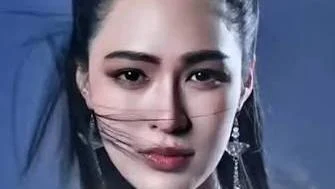
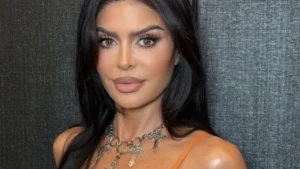
The global entertainment landscape frequently looks to the past for inspiration, but few tributes manage to capture the exact zeitgeist of a bygone cinematic era quite as effectively as contemporary adaptations of classic motifs. On October 31, 2026, Thai-Hong Kong actress Lingling Kwong delivered one of the most talked-about celebrity Halloween transformations of the season. Stepping back in time to the golden age of Hong Kong cinema, the 31-year-old actress channeled Nie Xiaoqian, the legendary and tragic spirit originally immortalized by iconic Hong Kong actress Joey Wong in the 1987 supernatural classic A Chinese Ghost Story. The homage, shared across her verified social media platforms, quickly transcended typical holiday costume sharing, sparking widespread nostalgic acclaim across Southeast Asia and Greater China, while shedding light on the enduring cultural footprint of late-20th-century Asian cinema.
Main Facts of the Transformation
The tribute featured Kwong meticulously recreating the distinctive visual aesthetics of 1990s Hong Kong period dramas. Clad in a flowing, traditional pink period ensemble complemented by an elaborate, high-pinnacle coiffure characteristic of the era’s fantasy-romance genre, Kwong mirrored the ethereal grace that once defined Joey Wong’s career-defining performance. Beyond the visual recreation, Kwong engaged her audience through performance, uploading a short video clip wherein she delivered one of the film’s most memorable lines in Cantonese: “Actually, ghosts are better than humans.”
This linguistic and cultural authenticity was not accidental. Born and raised in Hong Kong to a Hong Kong father and a Thai mother, Kwong spent her formative years immersed in the cultural epicenter of Cantonese popular media before relocating to Thailand at the age of 17 to pursue a career in the entertainment industry. Her dual heritage provided a seamless bridge between modern Thai celebrity culture and the nostalgia of classic Hong Kong filmmaking, rendering her portrayal both respectful and organically rooted in personal background. The post drew hundreds of thousands of interactions within hours, uniting diverse fan bases from Thailand, Hong Kong, mainland China, and international markets in admiration of the detailed homage.
Chronology and Background Context of the Event
The evolution of Kwong’s career up to this viral moment provides essential context for understanding the reception of her Halloween tribute. Having steadily built a reputation within the Thai television and film sectors, Kwong achieved a significant milestone earlier in 2026 when she was conferred the title of "Most Beautiful Woman Alive 2026," a recognition that elevated her international profile and subjected her fashion and artistic choices to heightened global scrutiny.
Leading up to Halloween 2026, entertainment publications and social media analysts noted a growing trend among younger Asian celebrities revisiting vintage pop culture aesthetics, particularly from the 1980s and 1990s, an era often romanticized for its distinct blend of practical effects, stylized action choreography, and atmospheric romance. On October 30 and 31, major industry figures rolled out elaborate costumes, but Kwong’s choice stood apart due to its specific cinematic lineage.
A Chinese Ghost Story, directed by Ching Siu-tung and produced by filmmaker Tsui Hark, remains a foundational text in Asian fantasy cinema. Released during the peak of the Hong Kong film industry’s global influence, the movie merged folklore, romance, and state-of-the-art wire-work special effects. Joey Wong’s portrayal of Nie Xiaoqian—a gentle, bound spirit forced to seduce travelers for a tree demon before falling in love with a naive tax collector played by Leslie Cheung—became an enduring archetype of tragic cinematic beauty. By choosing this specific character, Kwong bypassed standard Western-centric Halloween tropes in favor of an artistic celebration of Asian cinematic history.
Supporting Data and Cultural Resonance
The impact of Kwong’s costume can be measured through quantitative engagement metrics and qualitative cultural analysis. Within 24 hours of posting her photo and video series—credited to collaborators including @siaoraya alongside her own official handle—the content amassed millions of impressions across Instagram, X (formerly Twitter), and Weibo. In mainland China, where classic Hong Kong cinema maintains a fiercely dedicated demographic of nostalgic consumers, topics relating to "Lingling Kwong A Chinese Ghost Story" trended within the top entertainment hashtags, generating substantial cross-border digital traffic.
Cultural commentators have noted that Kwong’s ability to straddle two distinct entertainment markets is increasingly valuable in the modern pan-Asian media ecosystem. Data from regional streaming and social media analytics firms indicate a rising consumer appetite for cross-cultural throwbacks, particularly as platforms facilitate the rediscovery of 1990s Asian pop culture among Generation Z audiences who were born long after the original works premiered. Kwong’s bilingual and bicultural identity positions her uniquely to bridge these generational and geographic divides, transforming a routine holiday post into a trans-national cultural moment.
Industry Perspectives and Public Reception
While formal corporate press releases are rarely issued for celebrity holiday costumes, the implicit consensus from fashion critics, film historians, and fan communities alike has been overwhelmingly positive. Industry observers have pointed out that Kwong’s stylistic choices reflect a broader shift among high-profile Asian artists toward heritage-driven conceptual styling.
Prominent fashion reviewers noted the precision of the costume replication, observing that the garment’s fabric weight, pastel pink hue, and structural silhouette closely mirrored the costume design paradigms of Tsui Hark’s production era. Makeup artists praised the subtle application of modern cosmetics designed to emulate the soft-focus, natural aesthetic favored by 1990s Hong Kong cinematographers, avoiding overly theatrical or cartoonish interpretations typical of standard holiday dress-up.
Fan reactions on social media frequently emphasized the uncanny physical resemblance and stylistic harmony between Kwong and the legacy of 90s icons. Comments across multiple platforms highlighted her natural bone structure and expressive delivery, with many expressing a desire to see Kwong cast in a contemporary remake or spiritual successor of classic Hong Kong supernatural romance narratives. This fan-driven speculation underscores how effective casting choices in period or homage projects can stimulate commercial interest in new artistic ventures.
Broader Impact and Implications for the Entertainment Industry
The widespread attention garnered by Lingling Kwong’s Halloween tribute offers several key insights into the mechanics of modern celebrity branding and cultural diplomacy within the Asian entertainment sector. First, it demonstrates the commercial and emotional power of targeted nostalgia. By invoking a beloved piece of cinematic history associated with legendary figures like Joey Wong and Leslie Cheung, contemporary artists can tap into deep reservoirs of goodwill and cultural memory that transcend language barriers.
Second, the event highlights the strategic advantages held by multi-ethnic and multi-lingual artists in the contemporary global market. As streaming services and social media platforms flatten geographic boundaries, performers who can authentically navigate multiple cultural traditions—in Kwong’s case, the vibrant ecosystem of Thai television production and the storied heritage of Hong Kong cinema—possess an expanded capacity for viral international engagement.
Finally, the reception of Kwong’s portrayal of Nie Xiaoqian reinforces the evolving standards of beauty and character representation in modern media. By celebrating a classic archetype of supernatural beauty that emphasizes grace, melancholy, and literary depth over mere shock value, the public response indicates a sustained appreciation for nuanced, story-driven aesthetics. As Lingling Kwong continues to build upon her status as one of the prominent figures of 2026 cinema and television, her thoughtful engagement with regional film history suggests that her influence extends well beyond conventional celebrity status, marking her as a conscious custodian of cross-cultural artistic heritage.
Related posts: