Karang Nirwana Offers an Accessible Marine Sanctuary for Angling Enthusiasts in Jakarta Waters

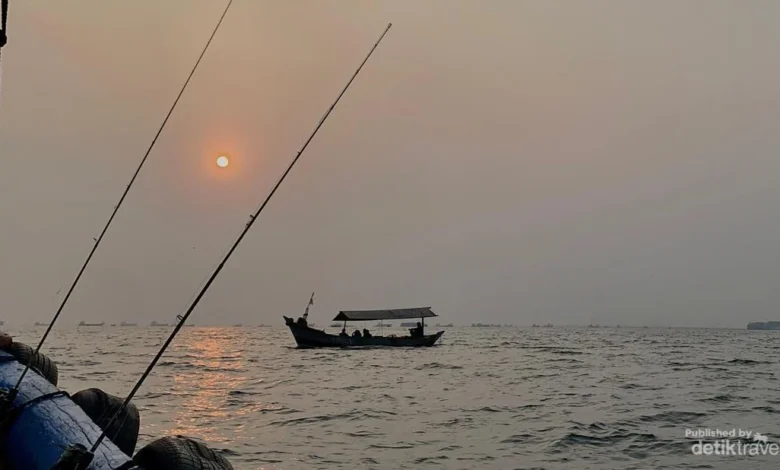
The pursuit of angling is traditionally characterized by long hours of anticipation, often resulting in minimal success for novice enthusiasts. However, a specific location within the Kepulauan Seribu (Thousand Islands) archipelago, known as Karang Nirwana, is challenging these conventions. Situated a mere 90-minute boat journey from the Dermaga Kresek in Tanjung Priok, North Jakarta, this spot has emerged as a premier destination for those seeking a high-frequency strike rate, vibrant marine biodiversity, and an accessible entry point into the world of saltwater fishing.
Chronology of the Expedition: A Morning Departure
The logistics of an open trip to Karang Nirwana are designed to maximize daylight hours, which are essential for navigating the shallow waters safely and optimizing the fishing window. The journey typically commences in the early morning hours, departing from the Dermaga Kresek at approximately 06:00 or 07:00 AM.
Traveling by boat during the morning offers a dual advantage: calmer sea conditions and favorable light for spotting marine life. As the vessel traverses the Java Sea toward the coordinate markers, participants are afforded a panoramic view of the industrial and recreational maritime landscape of North Jakarta. Upon arrival at Karang Nirwana, which is distinctively marked by a prominent black piling structure embedded in the seabed, the depth of the water is observed to be between 5 and 10 meters. This shallow depth is the primary reason for the site’s exceptional water clarity, allowing for the visual identification of coral formations from the deck of the boat—a rarity for many urban fishing spots.
Biodiversity and the Mechanics of the Catch
The ecological health of Karang Nirwana is reflected in its diverse fish population. Unlike deep-sea fishing, which targets pelagic species requiring heavy gear and advanced techniques, this spot caters to light-tackle angling. The species commonly harvested include the Sergeant Major (Abudefduf saxatilis), honeycomb groupers, various species of "helicopter" fish, and the big-eye snapper.
The ease with which these fish are caught—often within two minutes of casting—has significantly altered the perception of angling as a sport of patience. For the novice angler, the immediate feedback loop of "striking" a fish is instrumental in fostering a sustained interest in the activity. The abundance of these smaller, non-migratory reef-associated species suggests that the habitat remains relatively stable, providing a consistent supply of fish that are highly reactive to standard bait.
Participant Insights and User Experience
The appeal of Karang Nirwana transcends the mere act of catching fish. For participants, the location offers a rare respite from the frenetic pace of Jakarta’s metropolitan environment.
Fari Arsyad, an experienced angler based in South Jakarta who participated in a recent excursion, noted the technical accessibility of the site. "The variety of species is quite remarkable for such an accessible location," Arsyad stated. "It is an ideal environment for those who are still learning the mechanics of casting and baiting, provided their expectations are tempered toward smaller, reef-dwelling fish rather than large game trophies."
However, the experience is not without its environmental challenges. Participants such as Rosi, who joined the trip as a first-time angler, highlighted the impact of seasonal weather patterns. "The journey was quite challenging due to the ‘musim baratan’ (westerly monsoon season), which brings higher wave swells," Rosi remarked. "While the initial transit caused some apprehension, the outcome—being able to successfully catch a diverse range of fish—made the experience worthwhile and encouraged me to plan future trips."
Yuli, another participant traveling from Palembang, emphasized the aesthetic and psychological benefits of the location. "Beyond the catch, the clarity of the water and the visibility of the coral reefs create an immersive experience that is hard to find within the proximity of a major capital city," she noted.
Technical Analysis: Why Karang Nirwana Succeeds
From a logistical and environmental standpoint, Karang Nirwana serves as an essential case study in urban marine resource management. Several factors contribute to its success as a fishing destination:
- Geographical Proximity: By keeping the travel time under two hours, the site lowers the barrier to entry for weekend participants, effectively competing with terrestrial recreational activities in Jakarta.
- Bathymetric Stability: The 5-10 meter depth ensures that even during periods of moderate turbulence, the site remains relatively protected compared to open-ocean fishing grounds.
- Artificial Reef Dynamics: The black piling used as a marker for the spot serves a dual function; it acts as a navigational beacon and a vertical artificial reef, attracting microorganisms and small baitfish, which in turn sustain the larger predatory species.
Broader Implications for Jakarta’s Blue Economy
The growing popularity of open fishing trips in the Kepulauan Seribu area reflects a shift in how Jakarta’s residents engage with the surrounding maritime environment. For years, the waters north of Jakarta were primarily viewed through the lens of industrial logistics and commercial shipping. The emergence of sites like Karang Nirwana indicates a transition toward a "blue economy" model, where the recreational and ecological value of the sea is prioritized.
However, the increased frequency of recreational vessels in these waters necessitates a cautious approach. Environmental experts often warn that high-intensity angling in shallow reef areas can lead to the degradation of coral if not properly managed. Ensuring that these "open trips" operate under sustainable guidelines—such as using barbless hooks, practicing catch-and-release for specific vulnerable species, and maintaining strict waste management protocols—will be essential to preserving Karang Nirwana for future generations.
Furthermore, the integration of these spots into the broader tourism infrastructure of Jakarta could provide economic alternatives for local fishing communities in Tanjung Priok and the Thousand Islands. By transitioning from traditional commercial extraction to service-based tourism, these communities can leverage their maritime expertise to provide guide services and boat rentals, thereby creating a more sustainable economic cycle.
Conclusion: A Gateway to Marine Stewardship
Karang Nirwana represents more than just a destination for catching fish; it serves as an educational gateway. By providing a low-friction environment for beginners, the site fosters a deeper appreciation for marine ecosystems. As participants witness the vibrancy of the coral reefs and the complexity of the reef fish populations, they are more likely to develop a sense of stewardship toward the marine environment.
As Jakarta continues to expand and densify, the preservation of accessible, high-quality recreational spaces in the surrounding waters becomes increasingly vital. Whether for the seasoned angler seeking a quick excursion or the novice looking to understand the fundamentals of the sport, Karang Nirwana remains a critical component of the capital’s maritime landscape, bridging the gap between urban life and the natural wonders of the Java Sea. The success of this site demonstrates that with proper management and a focus on accessibility, the waters of Jakarta can serve as a sustainable and rewarding resource for all.