Global Smartphone Market Faces Steepest Downturn in Over a Decade Amidst Rising Component Costs and Shifting Production Priorities

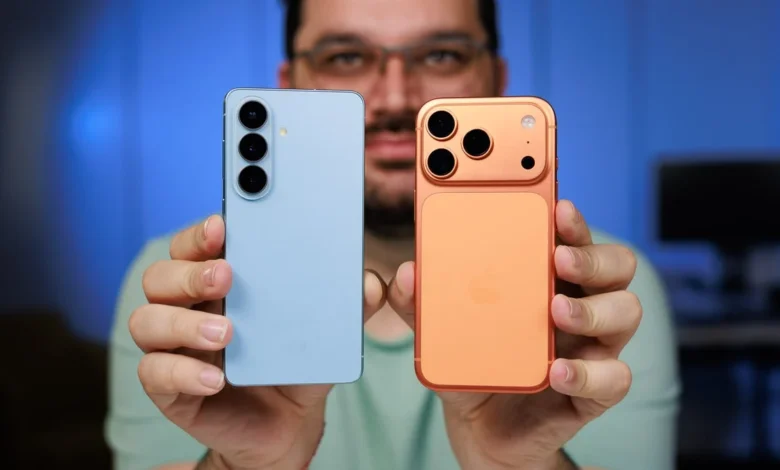
The global smartphone market experienced one of its weakest quarters in more than a decade during the second quarter of calendar year 2026, a downturn directly attributable to a confluence of escalating production costs and heightened consumer price sensitivity. Memory component prices, particularly for DRAM and NAND flash, have surged dramatically. This price hike is largely a consequence of memory manufacturers reallocating significant production capacity towards the booming artificial intelligence (AI) data center sector, a strategic pivot that has inadvertently squeezed supply and inflated costs for the consumer electronics industry. Despite this challenging landscape, two dominant players, Apple and Samsung, have emerged from this period of contraction with strengthened market positions, a testament to their robust supply chain management and strategic pricing.
According to detailed reports from leading market research firms, the industry witnessed a significant decline in shipments. Counterpoint Research indicated an 11 percent year-on-year drop in global smartphone shipments for Q2 CY2026, marking the weakest second quarter performance since 2013. While Omdia presented a slightly more optimistic outlook, forecasting a more modest decline of 4 percent, the overarching trend of contraction remained undeniable. International Data Corporation (IDC) further corroborated this downturn, estimating Q2 CY2026 global shipments to be around 277.5 million units, representing a 6.7 percent decrease compared to the same period in the previous year. While absolute shipment figures vary across research bodies, the consensus is clear: the market is contracting.
Market Share Dynamics: Apple and Samsung Defy the Trend
Despite the widespread decline, a notable divergence in market performance has emerged. Both Counterpoint Research and Omdia’s analyses point to a consistent conclusion: Apple and Samsung have managed to gain market share, while the majority of their competitors have seen their positions erode.
Samsung has reclaimed the global leadership in smartphone shipments, with Counterpoint reporting a 24 percent market share and Omdia estimating 22 percent. This resurgence marks the strongest growth among the top five smartphone brands. The South Korean tech giant’s ability to maintain its supply and navigate the rising costs has clearly resonated with consumers.
Similarly, Apple has demonstrated resilience, with year-on-year shipment increases of 3 percent. This seemingly modest growth has propelled its market share to a record 20 percent for the second quarter. Omdia described this as Apple’s strongest second-quarter performance in its history, highlighting the Cupertino-based company’s ability to maintain demand for its premium devices even in a challenging economic climate.
In stark contrast, major Chinese manufacturers Xiaomi, OPPO, and Vivo have all experienced double-digit year-on-year declines in shipments and have consequently lost valuable market share. This disparity in performance underscores the critical factors influencing success in the current market.
The Memory Component Crisis: A Deep Dive into Production Costs
The underlying reasons for this market bifurcation become clearer when examining the ongoing memory component shortage. Runar Bjorhovde, a principal analyst at Omdia, highlighted the significant impact of memory and storage costs on smartphone production. According to his analysis, these components now constitute over 60 percent of the production cost for low-end smartphones and more than 30 percent for premium devices. This represents a substantial increase, with some manufacturers reportedly paying four to five times more for the same components compared to a year prior.
Omdia’s detailed cost breakdown reveals the disproportionate impact across different device price segments. For smartphones priced under $100, memory alone accounts for approximately 64 percent of the production cost. This figure decreases to about 59 percent for devices in the $100 to $400 range. For more premium devices, the percentage drops, with memory comprising around 28 percent of the production cost for smartphones priced between $600 and $800, and slightly over a quarter for devices exceeding $800.
This cost structure directly explains the widening performance gap. Manufacturers heavily reliant on the sub-$400 price segment, such as Xiaomi, OPPO, and Vivo, have found themselves in a precarious position. They face a difficult choice: absorb significantly reduced profit margins or pass on the inflated costs to consumers, thereby risking further demand erosion. Given that these brands derive a substantial portion of their sales from these more price-sensitive segments, their ability to adapt to the escalating component prices is severely limited.
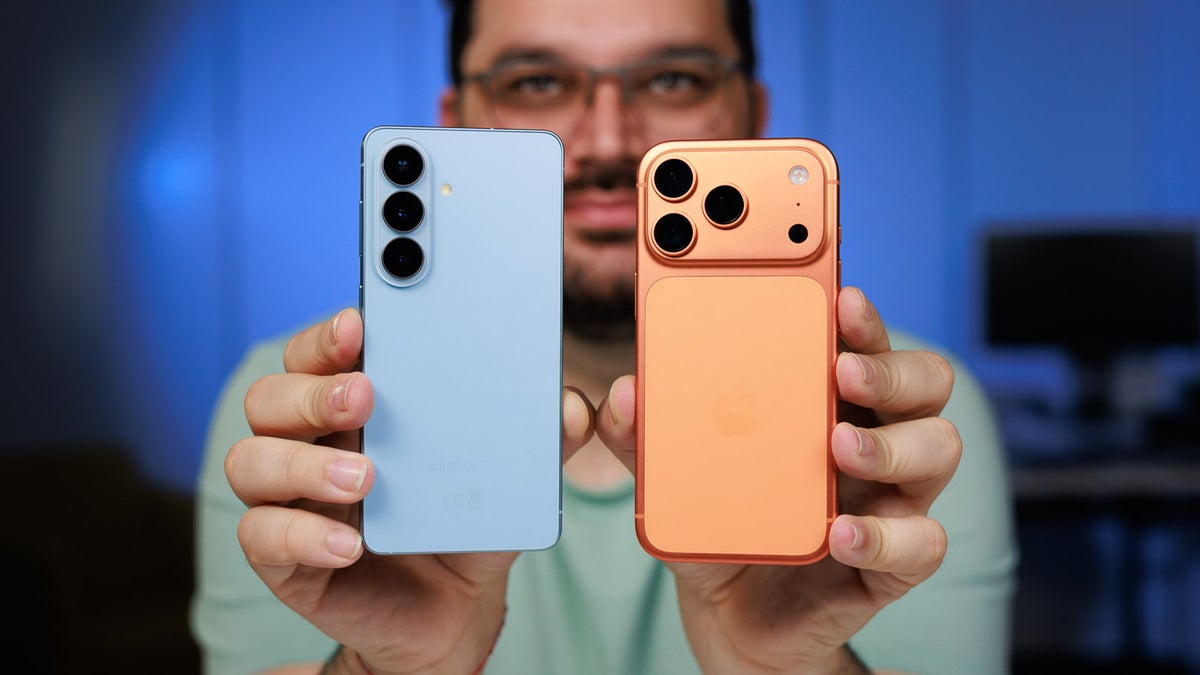
Apple, by contrast, has no significant presence in the ultra-low-cost smartphone segment. Samsung, while competing across a broad spectrum of price points, benefits from a crucial advantage: secured supply chains.
Securing Supply: The Differentiator for Market Leaders
Navkendar Singh, Associate Vice President at IDC India, elaborated on the strategic advantage held by Apple and Samsung. He noted that their influence with memory suppliers stems less from aggressive price negotiations and more from their ability to secure reliable component supplies. The sheer scale of their purchasing power places them at the forefront of allocation priorities for suppliers, a position that smaller original equipment manufacturers (OEMs) cannot easily replicate. While the precise commercial benefits of this preferential treatment are difficult to quantify, it undeniably provides a crucial competitive edge.
Strategic Pricing and Portfolio Management
The disparity in market performance is also a direct result of strategic pricing decisions. Counterpoint Research observed that Apple was the sole major smartphone manufacturer to refrain from increasing handset prices during the quarter. This deliberate pricing strategy for its iPhone 17 lineup helped maintain demand in key markets, even as competitors like Xiaomi, OPPO, and Vivo were forced to adjust their prices upwards multiple times.
However, Apple’s pricing restraint was not universally applied across its entire hardware portfolio. On June 25, the company announced price increases for its iPad, Mac, MacBook, and home products. CEO Tim Cook had previously indicated to The Wall Street Journal that the escalating component costs had become unsustainable. Despite this broader price adjustment, the decision to maintain iPhone prices signals a clear prioritization of its most strategically vital product line, especially in anticipation of the upcoming product launch cycle.
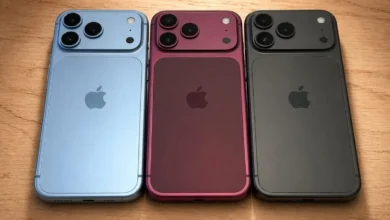
Industry analysts, including Singh, anticipate that Apple may incorporate price increases of approximately $100 to $150 across its next generation of iPhones, expected to be unveiled later this year. This forward-looking pricing strategy suggests a planned recalibration to account for sustained cost pressures.
Samsung has adopted a similar approach, albeit through a different product mix. The company has been more inclined to implement price adjustments on its mid-range Galaxy F and M series devices, while its premium Galaxy S and Z series models have seen less pronounced price hikes. This strategy mirrors Apple’s broader approach: protecting its flagship products, which bolster its premium brand image, while recuperating higher component costs through adjustments in its lower-priced models.
The Challenges for Mid-Tier and Budget Manufacturers
For manufacturers like Xiaomi, OPPO, and Vivo, replicating this dual-tier pricing strategy is significantly more challenging. Their business models are heavily reliant on the mid-tier and budget segments, where premium devices constitute only a minor fraction of their overall shipments.
An analysis by Omdia for Q1 CY2026 revealed that over half of Xiaomi’s global shipments fell into the sub-$200 price category. This segment is precisely where the memory cost inflation has had the most profound impact, squeezing margins to an unsustainable level. Shilpi Jain, a senior analyst at Counterpoint, echoed this sentiment, stating that maintaining previous price points for low- and mid-range smartphones, which represent the bulk of global shipments, has become increasingly difficult.
Navigating the Supply Chain Storm: Diverse Manufacturer Responses
In the face of an ongoing and seemingly intractable memory shortage, smartphone manufacturers are responding with a variety of strategies. Some are choosing to continue selling products but are accepting significantly reduced profit margins. Others are extending the lifecycle of their existing product lines, opting to delay the introduction of new models to manage inventory and costs. A more drastic measure for some has been to reduce the pace of new product launches altogether, a move that could impact market competitiveness and consumer interest in the long term.
The current market conditions, marked by soaring component costs and a global economic climate that amplifies consumer price sensitivity, have created a perfect storm for the smartphone industry. The ability of companies to secure supply chains, manage production costs strategically, and implement effective pricing models will be paramount in determining their survival and success in the coming quarters. The diverging fortunes of market leaders and their competitors serve as a stark reminder of the critical importance of adaptability and resilience in the fast-paced and ever-evolving technology landscape.