Daihatsu Sigra 1.2 2024: A Comprehensive Review of Indonesia’s Leading Value-Oriented Family Vehicle

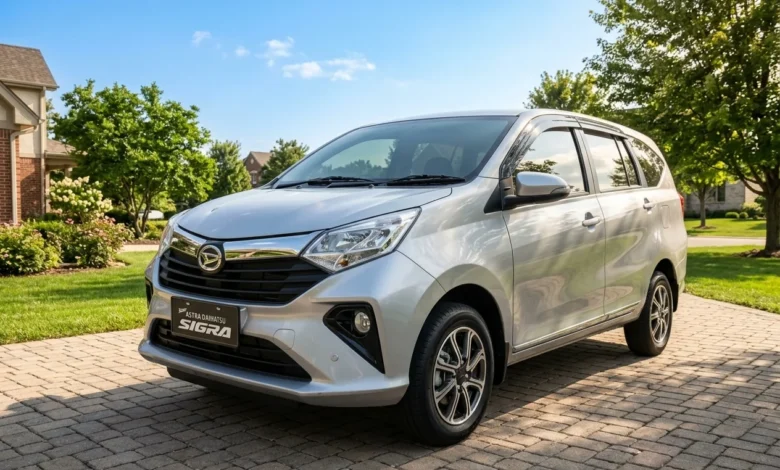
The Daihatsu Sigra 1.2 2024 has solidified its position as a primary candidate for Indonesian families seeking an affordable, fuel-efficient, and practical seven-seater vehicle. As the automotive market in Southeast Asia continues to favor Low Cost Green Car (LCGC) segments due to economic pragmatism and urban density, the Sigra has emerged as a benchmark for durability and utility. Following its latest model year iteration, the vehicle remains a dominant force in the secondary market, offering a compelling proposition for buyers who prioritize functional mobility over luxury features.
Evolution and Market Positioning
The Daihatsu Sigra was first introduced in 2016 as a collaborative project between Daihatsu and Toyota, specifically tailored to the Indonesian market’s demand for high-capacity, low-emission vehicles. Since its inception, the Sigra has undergone several facelifts and minor improvements, with the 2024 iteration representing the pinnacle of its current generation. By providing a 1.2-liter engine option, Daihatsu strategically filled the gap between the entry-level 1.0-liter city cars and more expensive MPVs like the Xenia or Avanza.
The strategic importance of the Sigra lies in its affordability. In a market where rising fuel costs and inflationary pressures influence consumer behavior, the 1.2-liter variant provides a balanced output for both congested metropolitan environments and intercity highway travel. As of mid-2024, the depreciation curve for the latest models has made them increasingly attractive to first-time car buyers and small families who are looking to transition from motorcycles to four-wheeled transportation.
Technical Specifications and Powertrain Dynamics
At the heart of the Sigra 1.2 2024 lies the 3NR-VE engine, a 1,197cc four-cylinder unit equipped with Dual VVT-i technology. This powerplant is engineered to maximize thermal efficiency while maintaining enough torque to haul a full load of passengers. The engine produces a maximum output of 88 PS at 6,000 rpm and peak torque of 108 Nm at 4,200 rpm.
While these figures may appear modest compared to high-performance segments, they are highly optimized for the Sigra’s curb weight. The inclusion of the 1.2-liter engine is a significant upgrade over the base 1.0-liter variant, particularly when dealing with inclines or fully occupied seating configurations. The engine’s delivery is managed through either a five-speed manual transmission or a four-speed automatic, both of which are tuned for long-term reliability and ease of maintenance—a critical factor for the target demographic of this vehicle.
Fuel Consumption Analysis
Fuel efficiency remains the most discussed attribute of the Sigra 1.2. The integration of the Dual VVT-i system allows for intelligent valve timing, which adjusts based on engine load. Under standard urban conditions, the vehicle typically achieves fuel economy figures in the range of 14 to 16 kilometers per liter. In highway settings, where consistent speeds can be maintained, these numbers can climb toward the 18 to 20 kilometers per liter mark.
However, industry experts note that these figures are highly sensitive to external variables. The vehicle’s aerodynamic profile, while functional, is not optimized for high-speed stability, and the reliance on a naturally aspirated engine means that aggressive acceleration—often seen in stop-and-go city traffic—can lead to higher fuel consumption. Factors such as tire pressure, the use of air conditioning, and the total weight of cargo are primary contributors to variance in real-world performance.
Comparative Market Analysis
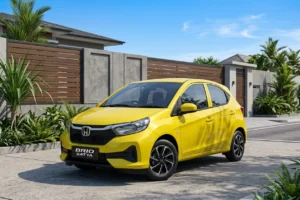
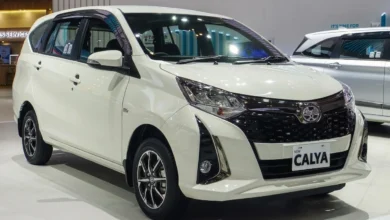
When compared to competitors in the LCGC segment, such as the Toyota Calya (its mechanical twin) or the Honda Brio, the Sigra 1.2 2024 distinguishes itself through interior space utilization. Despite its compact footprint, the "wheel-to-corner" design philosophy maximizes cabin length, allowing for a genuine three-row seating arrangement.
The secondary market for the 2024 Sigra is currently exhibiting high liquidity. Data from automotive classifieds indicate that the model retains its value well compared to other vehicles in the budget category, largely due to Daihatsu’s extensive service network and the availability of affordable spare parts. For buyers, the 2024 model year is particularly attractive because it is still within the manufacturer’s warranty period, providing a sense of security that older used vehicles may lack.
Implications for the Secondary Market
The shift toward the used 2024 Sigra market has several broader economic implications. First, it reflects a stabilization in the automotive supply chain. With new car production reaching pre-pandemic levels, the availability of late-model used cars has increased, giving consumers more leverage in price negotiations.
Secondly, the Sigra’s popularity highlights a shift in consumer preference toward "rational" purchasing. Rather than investing in high-maintenance luxury vehicles, middle-income households are opting for assets that offer high utility and low "cost-per-kilometer." The depreciation of the 2024 model, while present, is significantly slower than that of premium sedans or SUVs, making it a sound financial decision for families operating on a fixed budget.
Expert Insights on Reliability
Mechanics and automotive analysts generally regard the 3NR-VE engine as one of the most reliable units in the Indonesian market. Its simple construction, combined with the fact that it is shared across multiple platforms, means that any local workshop can perform routine maintenance without the need for specialized diagnostic equipment. This ease of service is a primary driver for its sustained popularity.
However, prospective buyers are often advised to perform thorough pre-purchase inspections. Common areas of focus include the suspension system—which can wear out if the vehicle has been consistently overloaded—and the transmission fluid condition in automatic variants. Ensuring that the vehicle has a complete service history from an authorized Daihatsu dealer is essential to verify the vehicle’s long-term health.
The Role of Infrastructure and Urban Mobility
The relevance of the Sigra 1.2 in 2024 cannot be separated from the state of Indonesia’s infrastructure. As the government continues to expand toll road networks, the capability of a car to maintain a steady 80–100 km/h pace for long durations becomes more important. The Sigra, while designed primarily for the city, is surprisingly capable on these new arterial roads, provided the driver is aware of the vehicle’s limitations in crosswind stability and braking distance.
Furthermore, the environmental aspect of the Sigra cannot be overlooked. As an LCGC-compliant vehicle, it adheres to specific government standards regarding emissions and fuel consumption. This makes it a preferred choice for individuals who are environmentally conscious but are not yet prepared to transition to fully electric vehicles, which currently face infrastructure challenges in many parts of the country.
Broader Economic Impact
The sustained demand for the Sigra 1.2 also supports the broader automotive ecosystem in Indonesia. By utilizing a high percentage of local components, the production of this vehicle contributes significantly to the domestic manufacturing sector. This creates a positive feedback loop: as more people buy the vehicle, the demand for parts and service grows, which in turn keeps the cost of ownership low for existing owners.
For the Indonesian economy, the Sigra serves as a mobility equalizer. It provides a level of comfort and safety—including standard features like dual airbags and side-impact beams—that were previously unavailable in the low-cost segment. By bridging the gap between basic transportation and family-friendly utility, the Sigra has arguably played a larger role in the motorization of the Indonesian middle class than any other vehicle in the last decade.
Conclusion and Buyer Advice
For those considering a 2024 Daihatsu Sigra 1.2 in the used car market, the decision should be based on a clear assessment of individual needs. The vehicle is not designed to be a high-performance machine or a luxury cruiser. Instead, it is a tool for mobility that excels in its simplicity, fuel efficiency, and internal space.
Buyers should look for units that have been maintained in accordance with the manufacturer’s schedule. Given the current market pricing in Jakarta and other major urban centers, the Sigra 1.2 represents a "sweet spot" for value. By choosing this vehicle, families are investing in a proven platform that minimizes the financial burden of ownership while maximizing the utility of every liter of fuel consumed. As the automotive industry shifts toward more complex electrification, the Sigra stands as a testament to the enduring effectiveness of traditional, well-engineered internal combustion engines in the context of the modern, budget-conscious family.