Boosting Immunity Naturally: 5 Kitchen Staples Recommended by Nutritionists to Strengthen Your Immune System

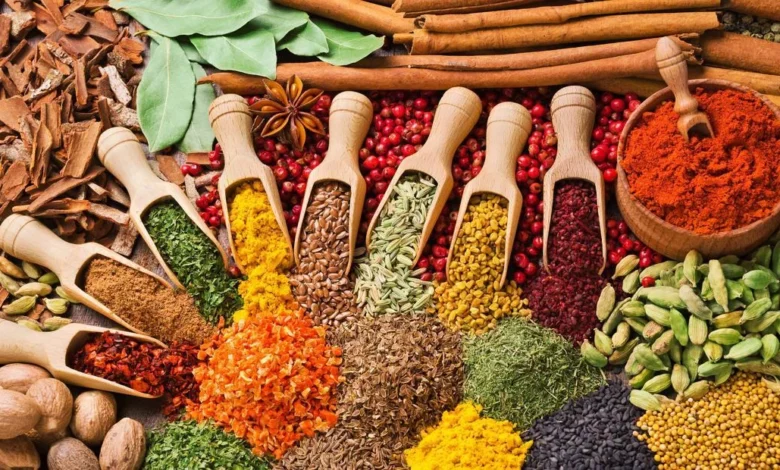
Jakarta — In an era where public health and wellness take center stage, individuals worldwide are increasingly turning to natural, preventive healthcare measures to fortify their bodies against everyday pathogens. While spices and herbs have traditionally been utilized in culinary arts primarily for enhancing flavor, color, and aroma, contemporary nutritional science reveals that these pantry staples pack a powerful biochemical punch. Beyond their culinary appeal, herbs and spices contain an array of potent bioactive compounds that scientifically support human health, particularly by bolstering the immune system.
Integrating these botanicals into a daily routine—when combined with established healthy lifestyle habits such as regular physical activity, stress management, adequate sleep, and a balanced diet rich in whole foods—creates a robust foundation for maintaining optimal immunological function. Nutrition experts and dietitians emphasize that while no single food can prevent illness on its own, a consistent dietary intake of specific herbs and spices can significantly enhance the body’s natural defense mechanisms. To guide consumers toward evidence-based dietary choices, leading clinical nutritionists have identified five powerhouse spices and herbs scientifically recognized for their immune-boosting properties.
The Biochemical Foundation of Natural Immunity
The human immune system is a complex network of cells, tissues, and organs—including T cells, B cells, macrophages, and antibodies—that work in tandem to shield the body from foreign invaders such as bacteria, viruses, fungi, and toxins. Maintaining the readiness and efficacy of this cellular army requires proper nourishment. Nutritional immunology highlights that chronic, low-grade inflammation can impair immune efficiency, leaving the body vulnerable to infections and metabolic disorders.
By incorporating specific anti-inflammatory and antioxidant-rich botanicals into daily meals, individuals can help modulate inflammatory pathways and protect immune cells from oxidative stress. Nutritionists note that these natural compounds act synergistically with the body’s internal regulatory systems. Below are the five recommended spices and herbs, along with a detailed breakdown of how they fortify the human body.
1. Turmeric: The Golden Standard of Anti-Inflammatory Spices
At the forefront of immune-supporting roots is turmeric, a vibrant yellow spice deeply rooted in traditional Asian medicine and culinary practices. The primary active constituent responsible for turmeric’s health benefits is curcumin, a polyphenol with powerful biological properties.
Mindy Haar, PhD, RDN, a registered dietitian and chair of the Department of Health Sciences at the New York Institute of Technology’s School of Health Professions, explains the direct link between turmeric and immune defense. "The immune system relies on various specialized cells, including T cells, B cells, and macrophages, to protect us from infections and disease. Curcumin, the primary active compound in turmeric, helps maintain the health and responsiveness of these cells so they can effectively combat germs and other threats," Dr. Haar states.
Furthermore, curcumin acts as a potent anti-inflammatory agent by downregulating the activity of specific proteins and enzymes, such as NF-kB, which trigger inflammatory responses throughout the body. Chronic inflammation is a known disruptor of immune function, making turmeric a valuable dietary addition for long-term health resilience.
Despite its impressive profile, curcumin has notoriously low bioavailability, meaning it is poorly absorbed into the bloodstream on its own and is rapidly metabolized by the liver and digestive tract. To overcome this limitation, Dr. Haar recommends pairing turmeric with a pinch—roughly one-eighth to one-quarter of a teaspoon—of black pepper. Black pepper contains piperine, an alkaloid compound that clinically inhibits the glucuronidation process in the liver and intestines, significantly slowing the breakdown of curcumin and enhancing its absorption by up to 2,000 percent.
For daily consumption, nutritionists suggest incorporating turmeric into morning smoothies, brewing it into a warm evening beverage known as "golden milk," or steeping it as a comforting herbal tea.

2. Garlic: Nature’s Antimicrobial Shield
Long celebrated in global culinary traditions, garlic (Allium sativum) is far more than a simple flavor enhancer. When crushed, chopped, or chewed, garlic releases a potent sulfur-containing compound known as allicin, which serves as the plant’s primary defense mechanism against pests and microorganisms.
Johanna P. Salazar, MS, RDN, a clinical nutritionist and founder of Healing Nutrition, highlights the extensive antimicrobial properties of this bulb. "Allicin is a remarkably powerful bioactive compound found in garlic," Salazar notes. "It exhibits pronounced antifungal, antibacterial, antiviral, and antimicrobial properties, equipping the body with natural support to fend off common pathogens, including those responsible for seasonal colds and respiratory infections."
In addition to its direct antimicrobial activity, allicin acts as a strong antioxidant, shielding immune cells from oxidative damage caused by free radicals. Beyond direct immune support, garlic functions as an exceptional prebiotic. Prebiotics are non-digestible fibers that pass through the upper gastrointestinal tract to nourish beneficial gut bacteria, such as Lactobacillus and Bifidobacterium.
Given that approximately 70 percent of the human immune system resides within the gastrointestinal tract, maintaining a healthy gut microbiome through prebiotics like garlic is crucial for overall immune competence.
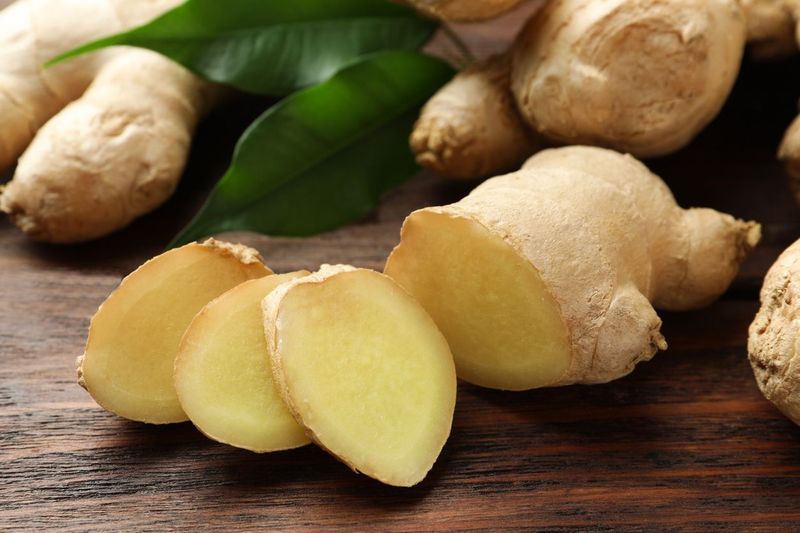
3. Ginger: Activating Cellular Defense with Gingerol
Ginger (Zingiber officinale), another foundational root in traditional and modern healing, provides a distinct warming sensation accompanied by powerful immunological benefits. The primary bioactive molecule in fresh ginger is gingerol, a relative of capsaicin that exhibits robust anti-inflammatory and antioxidant activities.

Seema Shah, RD, a clinical dietitian and owner of SeemaShahRD Whole Nutrition, emphasizes the cellular mechanisms driven by gingerol. "Gingerol works by suppressing specific biological pathways and cellular processes linked to chronic inflammation," explains Shah. By dampening unnecessary inflammatory signaling, gingerol allows immune cells to operate at peak efficiency, ensuring a swift and robust response when encountering viral or bacterial pathogens.
Clinical observations suggest that regular consumption of ginger can help alleviate symptoms of respiratory tract infections, soothe digestive discomfort, and support the body’s natural defense mechanisms during periods of increased physical stress or seasonal changes. Whether grated into hot water, blended into soups, or added to stir-fries, ginger remains an accessible and effective daily wellness booster.
4. Oregano: A Concentrated Source of Carvacrol and Thymol
While frequently associated with Mediterranean cuisine, oregano (Origanum vulgare) holds a distinguished place in herbal medicine due to its high concentration of protective phytochemicals.
Dr. Mindy Haar points out the dual immunological benefits of oregano, noting, "Oregano supports immune health because it is rich in several compounds that possess strong antioxidant and antimicrobial properties."
Among these active constituents are carvacrol and thymol, two monoterpenes that have been extensively studied in laboratory settings for their ability to inhibit the growth of various strains of bacteria and viruses. These compounds disrupt the cellular membranes of pathogens, neutralizing their ability to replicate and cause infection.
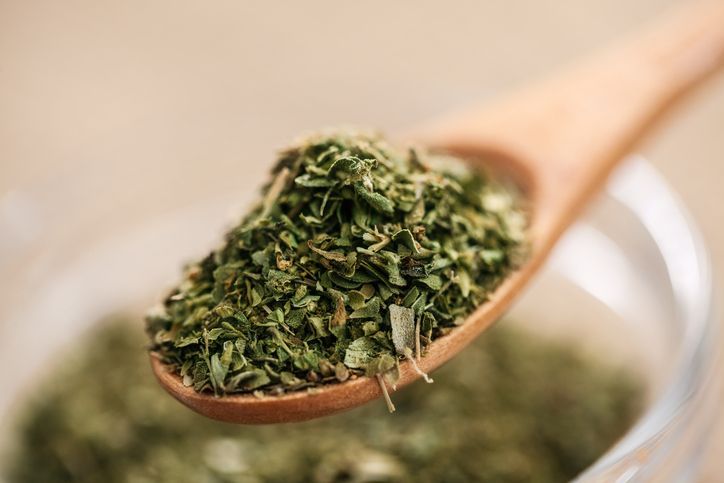
Additionally, oregano contains rosmarinic acid, a potent polyphenol that acts as a natural antihistamine and anti-inflammatory agent. Rosmarinic acid helps limit the production of inflammatory prostaglandins, thereby reducing systemic inflammation. Incorporating fresh oregano leaves into pasta sauces, salad dressings, or sprinkling dried oregano over roasted vegetables is an effortless way to harvest these protective botanical benefits.
5. Basil: A Multi-Targeted Herbal Immunostimulant
Rounding out the list of top nutritional recommendations is basil (Ocimum basilicum), an aromatic herb that delivers an impressive array of vitamins, minerals, and specialized plant compounds.
Basil leaves are rich in apigenin, linalool, and ursolic acid—bioactive phytochemicals that clinical studies associate with significant antiviral properties. Furthermore, basil provides substantial amounts of vitamin A and vitamin C. Both vitamins are classical micronutrients recognized by the World Health Organization and nutritional authorities for their critical roles in maintaining epithelial barriers, supporting phagocyte function, and neutralizing oxidative stress.
Moreover, basil contains quercetin and anthocyanins, which offer synergistic antioxidant and anti-inflammatory benefits. Dr. Haar highlights a particularly fascinating mechanism involving quercetin: "Quercetin assists in enhancing the cellular uptake of zinc, an essential trace mineral that plays a fundamental role in maintaining structural integrity of the immune system and regulating immune cell signaling."
Concurrently, the anthocyanins found in basil contribute to the nourishment of a diverse gut microbiome. Seema Shah underscores the systemic importance of this gut-immune connection: "Maintaining balance in the gut microbiome is vital for immune function because the vast majority of our immune system is housed directly within the gut. Nutrients that support gut flora indirectly fortify our entire systemic defense network."
Public Health Implications and Practical Integration
As global healthcare systems continue to emphasize preventative wellness, the integration of functional foods into everyday diets represents an empowering, cost-effective strategy for public health. Dietitians and public health analysts emphasize that herbs and spices should be viewed as complementary pillars within a comprehensive wellness framework rather than miraculous cures.
Public health experts advise consumers to prioritize whole, fresh herbs and minimally processed spices to maximize the bioavailability of their active compounds. Furthermore, individuals with specific medical conditions, those scheduled for surgery, or patients taking anticoagulant medications should consult healthcare providers before introducing highly concentrated herbal supplements, as potent compounds like curcumin and allicin can interact with pharmaceutical treatments.
Ultimately, by embracing these five culinary staples—turmeric, garlic, ginger, oregano, and basil—individuals can easily elevate the nutritional profile of their daily meals while proactively strengthening their body’s innate defenses against modern health challenges.
Related posts: