
Comprehensive Guide to Islamic Prayers and Conduct for Widows Following the Decease of a Spouse

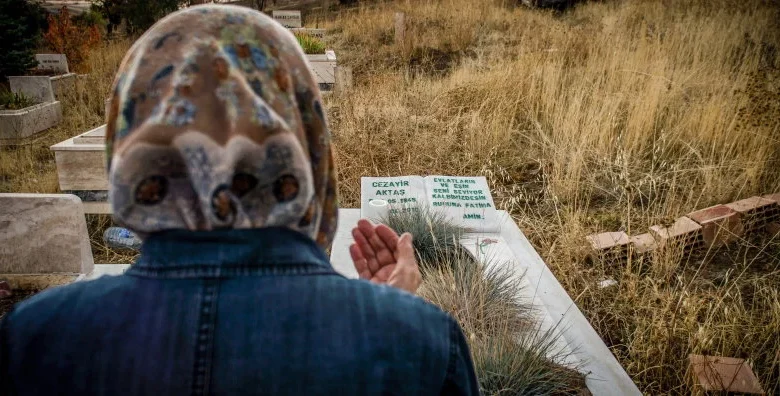
The practice of offering prayers for a deceased husband serves as a profound spiritual bridge for a widow, allowing her to channel her grief into acts of devotion that seek divine forgiveness and eternal rewards for the departed soul. In Islamic theology, the relationship between a husband and wife is considered one of the most sacred bonds, and this connection does not terminate upon death but transitions into a new phase where the living can still benefit the dead through intercession. According to various prophetic traditions (Hadiths), the prayers of a righteous family member are among the few things that continue to provide merit to the deceased as they reside in the realm of Barzakh, the intermediate state between physical death and the Day of Resurrection. This comprehensive guide explores the essential prayers, the legal framework of mourning, and the psychological significance of these rituals within the Islamic faith.
The Theological Significance of Posthumous Intercession
Islamic jurisprudence emphasizes that death is a transition of the soul rather than an absolute end. Central to this belief is the concept of "Amal Jariyah" or perpetual charity. While the deceased can no longer perform deeds themselves, their "account" remains open to receive the rewards of three specific things: ongoing charity, beneficial knowledge they left behind, and the prayers of a righteous child or family member. For a widow, the act of praying for her husband is viewed not only as a duty of love but as a significant spiritual intervention that can alleviate the husband’s trials in the grave.
Theological experts suggest that these prayers function as a gift. Just as a person in the physical world feels joy upon receiving a surprise gift, the soul in the grave is said to experience relief and elevation when a spouse offers sincere supplications. This practice also provides the widow with a constructive coping mechanism, transforming the vacuum of loss into a proactive spiritual mission.
Ten Essential Prayers for a Deceased Husband
When a widow offers these prayers, Islamic scholars recommend doing so with a presence of heart, often suggesting that the husband’s name be mentioned or held in intention to make the connection more personal. The following ten prayers are derived from the Quran and Sunnah, covering various aspects of the afterlife.
1. Seeking Absolute Forgiveness and Mercy
The most fundamental requirement for the deceased is the mercy of the Creator.
Transliteration: Allahumma ighfir lizawji, warhamhu, wa ‘afihi, wa’fu ‘anhu.
Translation: "O Allah, forgive my husband, have mercy on him, grant him peace, and pardon his mistakes."
This prayer focuses on the "Afiyah" (well-being) of the soul, asking that any shortcomings during his earthly life be overlooked by Divine Grace.
2. The Prayer for an Honorable Abode
This supplication asks for the transition into the afterlife to be dignified and spacious.
Transliteration: Allahumma akrim nuzulahu, wa wassi’ mudkhalahu, waj’al qabrahu raudhatan min riyadhil-jannah.
Translation: "O Allah, make his station honorable, expand his entrance, and make his grave a garden among the gardens of Paradise."
In Islamic belief, the grave can either be a place of constriction or a spacious garden of light; this prayer specifically seeks the latter.
3. Protection from the Trials of the Grave
The "Fitnatul Qabr" or the trial of the grave involves the questioning by the angels Munkar and Nakir.
Transliteration: Allahumma ajirhu min ‘adzabil-qabr, wa min ‘adzabin-nar, wa tsabbit-hu ‘indas-su’al.
Translation: "O Allah, protect him from the punishment of the grave and the punishment of the Fire, and make him firm during the questioning."
4. Seeking a Superior Final Home
This prayer acknowledges the temporary nature of the world and asks for a better replacement in the hereafter.
Transliteration: Allahumma abdilhu daran khayran min darihi, wa ahlan khayran min ahlihi, wa adkhilhul-jannah.
Translation: "O Allah, grant him a home better than his home, a family better than his family, and admit him into Paradise."
5. Illumination and Peace in the Intermediate Realm
The darkness of the grave is a common theme in spiritual literature; this prayer asks for Divine Light (Noor).
Transliteration: Allahumma nawwir qabra zawji, wa wassi’ ‘alayhi fihi, wa aminhu min fitnatil-qabr.
Translation: "O Allah, illuminate my husband’s grave, expand it for him, and keep him safe from the trials of the grave."
6. Comprehensive Forgiveness of All Sins
This prayer is an exhaustive plea for the removal of all burdens, whether small or large, hidden or manifest.
Transliteration: Allahumma ighfir lizawji dzunubahu kullahha, diqqaha wa jillaha, wataqabbal minhu shaliha a’malihi.
Translation: "O Allah, forgive all my husband’s sins, the small and the great, and accept the righteous deeds he performed."
7. The Prayer for a Noble End (Husnul Khatimah)
Even after death, one prays that the husband’s legacy is sealed with goodness.
Transliteration: Allahumma rdhā ‘an zawji, wakhtim lahu bil-khayr, waj’al mā ba’da mawtihi khayran lahu mimmā qablahu.
Translation: "O Allah, be pleased with my husband, seal his life with goodness, and make that which follows his death better for him than that which preceded it."
8. Dedicating the Reward of Good Deeds
A widow can perform acts of worship and ask God to transfer the spiritual reward to her husband.
Transliteration: Allahumma-j’al tsawaba ma aqumu bihi min dzikrin, wa qira’atin, wa shadaqah, hadiyyatan liruhi zawji.
Translation: "O Allah, make the reward of the remembrance, recitation, and charity I perform a gift for my husband’s soul."
9. Seeking the Infinite Reach of Divine Mercy
This prayer asks for a specific type of mercy that leaves the soul in need of nothing else.
Transliteration: Allahumma ighfir lizawji maghfiratan wasi’ah, warhamhu rahmatan tughnihi biha ‘an rahmati man siwak.
Translation: "O Allah, forgive my husband with a vast forgiveness, and grant him a mercy that makes him independent of the mercy of anyone other than You."
10. The Hope for Eternal Reunion
Perhaps the most poignant prayer for a widow is the request to be reunited in the highest level of Paradise.
Transliteration: Allahumma ighfir lizawji warhamhu, wajma’ni bihi fi jannatik.
Translation: "O Allah, forgive my husband, have mercy on him, and reunite me with him in Your Heavens."
The Chronology and Etiquette of Mourning
The period immediately following the death of a husband is governed by both emotional necessity and religious law. The initial reaction encouraged in Islam is the "Istirja," the recitation of Inna lillahi wa inna ilayhi raji’un (To Allah we belong and to Him we shall return). This statement serves as a psychological grounding, reminding the bereaved of the transitory nature of life and the sovereignty of the Creator.
The Iddah Period: A Legal and Spiritual Waiting Time
For a widow, Islamic law mandates a period known as Iddah, which lasts four months and ten days (unless she is pregnant, in which case it lasts until childbirth). Historically and sociologically, this period serves several functions:
- Verification of Lineage: To ensure there is no confusion regarding paternity if the widow is pregnant.
- Emotional Processing: To allow the widow a dedicated time to mourn without the societal pressure of new marriage proposals.
- Spiritual Devotion: It is a time for increased prayer, reflection, and seeking solace in the Divine.
During Iddah, the widow is expected to observe a modest lifestyle, avoiding festive gatherings or beautification, focusing instead on the transition of her household and her spiritual state.
Best Practices for Sending Al-Fatihah and Charity
A common practice in many Muslim cultures, particularly in Southeast Asia, is the "gifting" of Surah Al-Fatihah to the deceased. To do this effectively, scholars suggest the following sequence:
- Begin with the praise of Allah and Salawat (blessings) upon the Prophet Muhammad.
- Recite Surah Al-Fatihah with the specific intention that its blessings be granted to the husband.
- Conclude with a personal supplication for his well-being in the afterlife.
Beyond verbal prayers, "Sadaqah Jariyah" (ongoing charity) is considered the most potent way to benefit a deceased spouse. This can include:
- Donating to a mosque or school in the husband’s name.
- Building a water well or providing sustainable resources for the needy.
- Distributing religious books or educational materials.
- Maintaining the husband’s existing charitable commitments.
Psychological Analysis: Prayer as a Healing Mechanism
From a psychological perspective, the rituals of prayer for a deceased spouse provide a structured framework for "continuing bonds." Unlike some psychological theories that suggest "letting go" is the only way to heal, Islamic practice encourages maintaining a spiritual connection. This proactive engagement helps mitigate feelings of helplessness that often accompany grief.
By praying for the husband’s forgiveness, the widow takes on a role of an intercessor, which provides a sense of purpose. Furthermore, the communal aspect of these prayers—often performed during the Tahlil or family gatherings—reinforces a support network, ensuring the widow is not isolated in her mourning.
Broader Impact and Implications for the Family Unit
The conduct of a widow after her husband’s passing has long-term implications for the family’s stability. When a mother models patience (Sabr) and devotion, she provides a spiritual anchor for her children. In many Muslim societies, the widow becomes the custodian of the husband’s legacy. Maintaining good relations with the husband’s side of the family and honoring his friendships are considered extensions of the loyalty she held for him during his life.
In conclusion, the prayers for a deceased husband are far more than mere words; they are a sophisticated system of spiritual support, legal structure, and emotional healing. By adhering to these practices, a widow ensures that her husband’s journey in the afterlife is supported by her love and that her own journey through grief is illuminated by faith. Through the lenses of theology, law, and psychology, it is evident that Islam views the death of a spouse not as the end of a partnership, but as a transformation of it into a higher, more spiritual form of companionship.